

Why Finding the Best Water Treatment for Northern California Homes Matters More Than You Think
Finding the best water treatment for Northern California homes is one of the most practical steps you can take to protect your family’s health and your plumbing system. Northern California’s water comes from a mix of sources — Sierra snowpack, surface reservoirs, and groundwater — and each carries its own set of challenges. Hard water minerals, chloramines, heavy metals like arsenic and chromium-6, and agricultural runoff are all common concerns across the region. In fact, over 85% of Northern California residents report concerns about water hardness, contaminants, or taste.
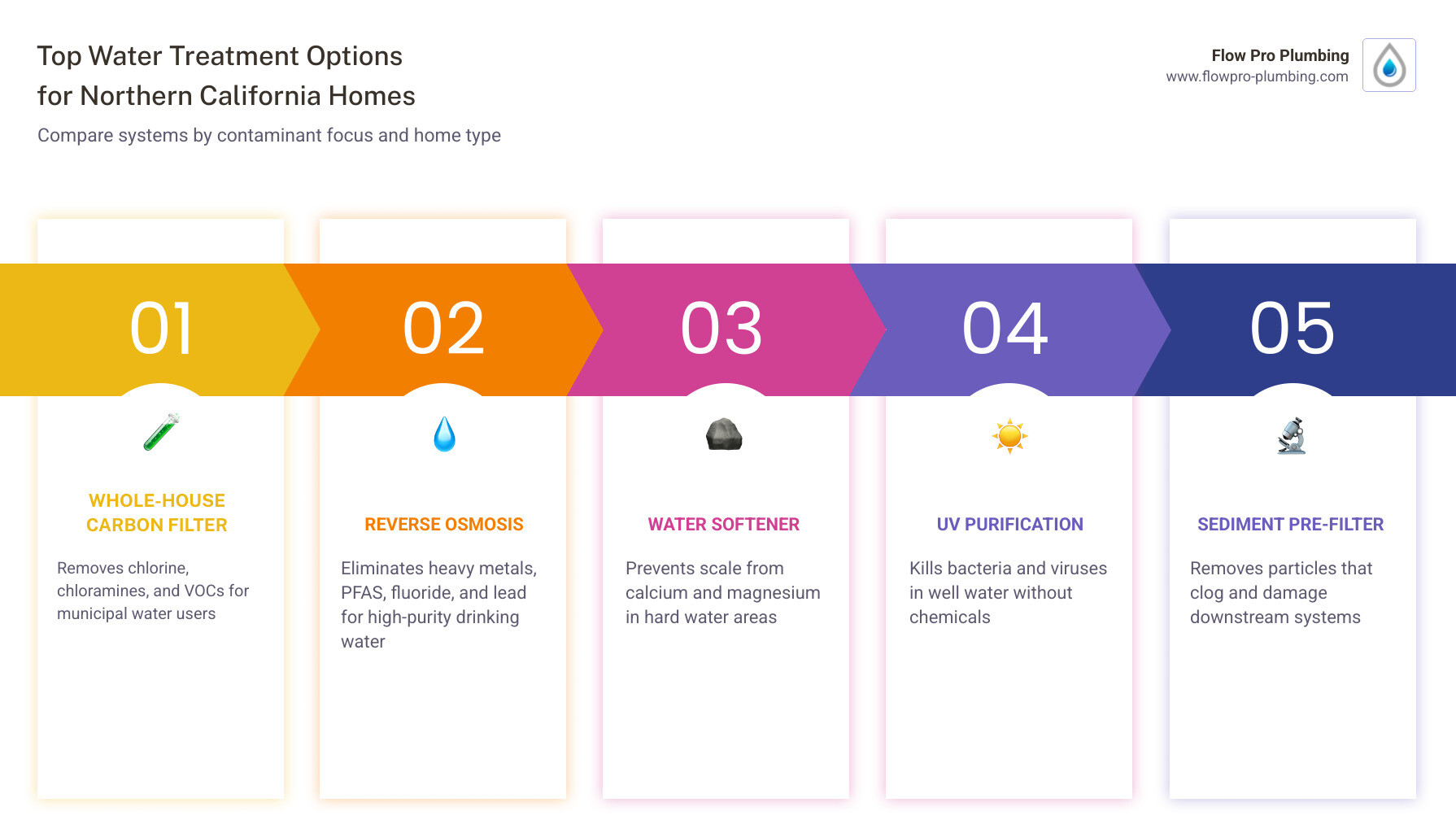
Here is a quick look at the top water treatment options for Northern California homes:
| Treatment System | Best For | Key Benefit |
|---|---|---|
| Whole-House Carbon Filter | Municipal water users | Reduces chlorine, chloramines, and VOCs throughout the home |
| Reverse Osmosis (RO) | Drinking water quality | Removes heavy metals, PFAS, fluoride, and lead |
| Water Softener | Hard water areas | Prevents scale buildup and extends appliance life |
| UV Purification | Well water users | Kills bacteria and viruses without chemicals |
| Sediment Pre-Filter | All homes | Removes particles that clog and damage downstream systems |
The right system depends on your water source, location, and specific contaminants — and most Northern California homes benefit most from a layered approach rather than a single solution.
Hard water is one of those background problems that quietly works its way into daily life, showing up on glassware, clinging to faucets, and leaving skin feeling dry no matter how long the shower runs. Add in region-specific concerns like wildfire season and agricultural runoff, and it becomes clear why a one-size-fits-all approach simply does not cut it here.
I’m Jesse Delgado, owner of Flow Pro Plumbing in Brentwood, California, and with over a decade of licensed plumbing experience serving the East Bay, I’ve seen how the best water treatment for Northern California homes can make a real difference — from protecting pipes and appliances to improving the water your family drinks every day. In the sections below, I’ll walk you through the top systems, how to choose the right one for your home, and what to expect from installation and maintenance.
Key best water treatment for northern california homes vocabulary:
Understanding Water Quality Challenges in Northern California
Living in Northern California means our water has a long journey before it hits your tap. Whether it’s coming from the Hetch Hetchy Reservoir or local groundwater wells in Brentwood and Oakley, the quality can vary wildly. While municipal systems work hard to meet federal standards, many homeowners find that “legally safe” isn’t the same as “high quality.”
One of the most immediate issues we see is mineral buildup. Hard water is incredibly common here because our water often travels through or sits in ground sources rich in calcium and magnesium. Over time, these minerals create scale that chokes your pipes and ruins your fixtures. But it’s not just the stuff you can see. Is Tap Water Safe to Drink? is a question we get often. While utilities disinfect water with chlorine or chloramines, these chemicals can leave a nasty taste and smell.
Furthermore, some areas face more serious concerns like arsenic, nitrates from agricultural runoff, and “forever chemicals” known as PFAS. We also have to watch out for pH imbalances. Understanding how acidic water affects plumbing is vital, as low-pH water can actually eat away at your copper pipes from the inside out, leading to pinhole leaks and expensive repairs.
Best Water Treatment for Northern California Homes: Top System Types
When we talk about the best water treatment for northern california homes, we usually categorize systems into two groups: Point-of-Entry (Whole-House) and Point-of-Use (Under-Sink).
Whole-house systems treat every drop of water that enters your home, protecting your appliances and your skin in the shower. Point-of-use systems, like Reverse Osmosis, focus specifically on the water you drink and cook with. Deciding on the best water filtration system often involves looking at your specific goals. If you’re wondering, “is home water filtration worth it?“, the answer is usually a resounding yes when you consider the protection it offers your plumbing and your health. Each of these water filtration systems contribution to your home’s overall value and comfort cannot be overstated.
Whole-House Carbon Filtration for Chemical Removal
If you live in a city like Antioch or Pittsburg, your water is likely treated with chloramines. While effective at killing bacteria, chloramines are harder to remove than standard chlorine and can give water a medicinal odor. Whole-house carbon filters are the heavy lifters here. They use high-grade activated carbon to “scrub” chemicals, VOCs, and disinfection byproducts out of the water.
When asking yourself, “do I need a whole home water filter or am I just being salty?“, a carbon filter handles the chemicals that a softener won’t. It ensures that when you step into the shower, you aren’t breathing in vaporized chlorine or soaking your skin in harsh chemicals.
Reverse Osmosis for the Best Water Treatment for Northern California Homes
For the absolute highest purity in drinking water, Reverse Osmosis (RO) is the gold standard. These systems use a semi-permeable membrane to strip away up to 99% of contaminants, including heavy metals, fluoride, lead, and nitrates.
In our detailed guide to best water filter systems, we highlight RO as the best solution for families worried about specific health-related contaminants like Chromium-6 or arsenic, which can be found in some Northern California groundwater. It’s like having a bottled-water factory right under your kitchen sink.
Water Softeners for Managing Mineral Buildup
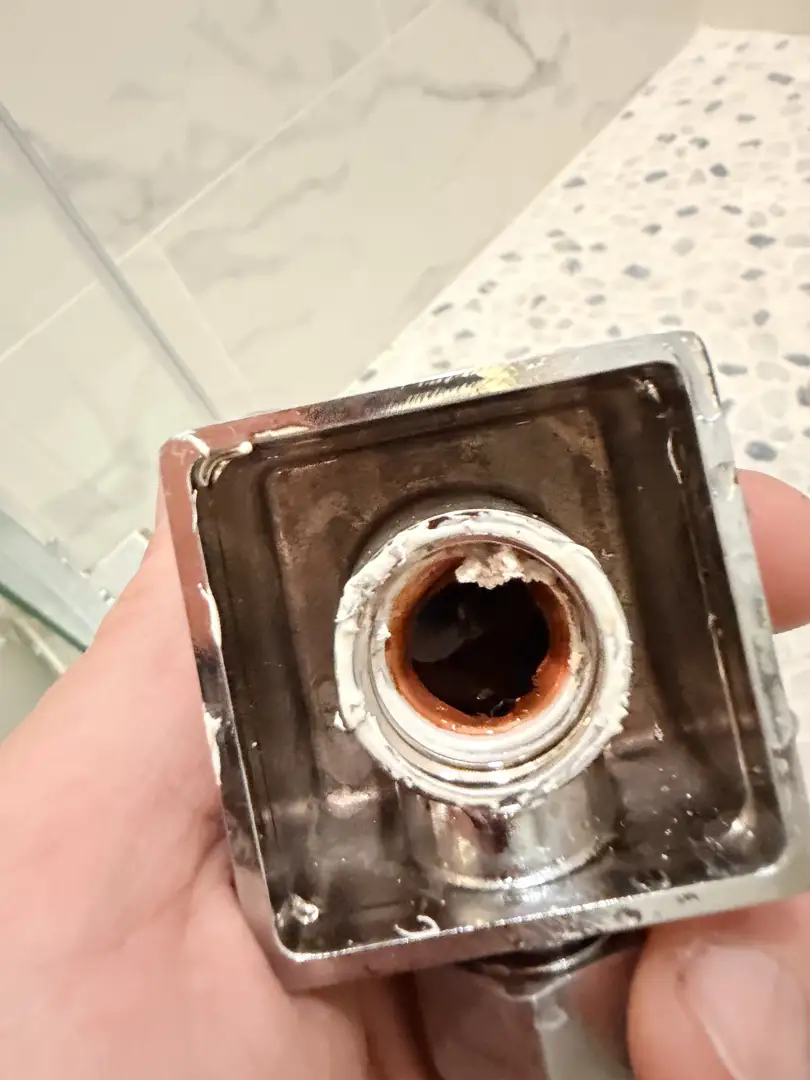
Hard water is the silent killer of appliances. If you’ve noticed white spots on your dishes or a crusty white substance on your showerhead, you have hard water. Installing water softeners is the only way to physically remove the calcium and magnesium responsible for this.
The benefits of a water softener go beyond just cleaner dishes. You’ll find that you use less soap, your hair feels softer, and your water heater lasts significantly longer. There are many benefits of water softeners that homeowners in hard-water-heavy areas like Concord and Walnut Creek notice within just a few days of installation.
How Local Sources Impact Treatment Requirements
The best water treatment for northern california homes depends heavily on where your water starts.
| Source Type | Common Issues | Recommended Treatment |
|---|---|---|
| Municipal (City) | Chlorine, chloramines, hardness, fluoride | Carbon filtration + Water Softener |
| Private Well | Bacteria, nitrates, arsenic, iron, low pH | UV Sterilization + Specialized Oxidation + RO |
| Surface Water | Silt, organic matter, seasonal algae | Sediment pre-filters + Carbon filtration |
In Northern California, we have over 1,200 public water systems. Some, like the Hetch Hetchy system serving parts of the region, are naturally softer. Others rely on groundwater that is “very hard” (above 180 mg/L). Knowing your source helps us ensure you are following California water efficiency standards explained for every homeowner, which prioritize systems that don’t waste excessive water.
How to Choose the Best Water Treatment for Northern California Homes
Choosing a system isn’t just about what’s in the water; it’s about how you use it. A six-bedroom home in Discovery Bay has very different needs than a two-bedroom condo in Pleasant Hill.
We recommend starting with a water test. This tells us exactly what we’re fighting. From there, we look at your household size and peak flow rates. If you buy a system that’s too small, you’ll experience a drop in water pressure every time someone flushes a toilet while the dishwasher is running. Our ultimate guide to comparing water treatment options for homeowners can help you weigh the pros and cons, and we can specifically help you learn how to size a water softener so it keeps up with your family’s demands.
Seasonal Factors and Environmental Impacts on Water Quality
In Northern California, the weather plays a huge role in what comes out of your tap. During drought years, water levels in reservoirs drop, which concentrates minerals and contaminants, making the water “harder” and more difficult to treat.
Conversely, heavy rains and flooding can wash sediment and bacteria into the water supply. Wildfires are another major factor; ash and fire retardants can enter watersheds, leading to increased levels of organic carbon and nutrients that require more intensive chemical treatment by the city. This is why installing water softeners and filtration systems that can handle “peak” contamination levels is so important for local residents.
Maintenance and Longevity of Your Treatment System
A water treatment system is an investment, and like any investment, it needs a little love to keep performing. For example, decoding the lifespan of water softeners reveals that while the tank might last 15 years, the resin inside needs to be kept clean to stay effective.
If you have a softener, you’ll need to know how to add salt to water softener tanks regularly. If you have a filtration system, sediment filters usually need changing every 3 to 6 months, while RO membranes can last 2 to 4 years. Having a water softener or filtration system means staying on top of these small tasks to ensure your water quality never dips.
Frequently Asked Questions about Northern California Water
What are the most common contaminants in Northern California?
The most frequent issues include water hardness (calcium/magnesium), chlorine/chloramines, arsenic, nitrates (especially in agricultural areas), and Chromium-6. Recently, there has been increased concern regarding PFAS (“forever chemicals”) in various local groundwater sources.
Do I need a permit to install a water treatment system in California?
For standard point-of-use systems like an under-sink RO, a permit is generally not required. However, for whole-house systems that involve significant modifications to your main water line or drainage (like a water softener), local codes in cities like Brentwood or Concord may require a plumbing permit. It’s always best to have a licensed plumber handle the installation to ensure everything is up to code.
How often should I test my home’s water quality?
If you are on municipal water, checking the annual Consumer Confidence Report from your utility is a great start. However, since city reports don’t account for the pipes in your specific neighborhood or home, an annual basic test is a good idea. For well water users, we recommend testing at least once a year for bacteria and nitrates, and every few years for heavy metals.
Conclusion
At Flow Pro Plumbing, we know that there isn’t just one best water treatment for northern california homes – there is only the best system for your home. Whether you are dealing with the hard water of Brentwood, the chloramines of Antioch, or the unique well-water challenges in Byron and Knightsen, our team is here to help.
We pride ourselves on providing fast, clean, and courteous service. As a locally owned business, we understand the specific water chemistry of Contra Costa County because we live here too. From professional installation to long-term maintenance, we’re dedicated to ensuring your family has access to the cleanest, safest water possible.
Don’t let hard water or chemicals wear down your home and your health. Schedule your water filtration consultation today and let us help you find the perfect solution for your home in Brentwood, Oakley, Antioch, Discovery Bay, Pittsburg, Concord, and beyond!