

A Comprehensive Tankless vs Tank Water Heater Comparison
When we sit down with homeowners in Brentwood or Discovery Bay to discuss a tankless vs tank water heater comparison, we usually start with the physical footprint. A traditional storage tank is a literal giant in your garage or utility closet, typically holding 30 to 80 gallons of water. In contrast, a tankless unit is about the size of a carry-on suitcase and mounts to the wall, freeing up valuable floor space.
However, the comparison goes much deeper than just size. It’s a battle between “stored energy” and “on-demand power.” A tank heater keeps a large volume of water hot 24/7 so it’s ready the moment you turn a tap. A tankless system uses high-powered heat exchangers to flash-heat cold water as it flows through the unit. To help you visualize the trade-offs, explore tankless water heaters and how they differ from the units we’ve used for decades.
| Feature | Storage Tank Water Heater | Tankless (On-Demand) Water Heater |
|---|---|---|
| Footprint | Large (approx. 24″ x 60″) | Small (approx. 10″ x 24″) |
| Supply Limit | Finite (runs out after 30-80 gallons) | Endless (as long as gas/power is on) |
| Flow Rate | High (multiple taps at once) | Limited (2–5 Gallons Per Minute) |
| Energy Use | Higher (constant reheating) | Lower (only heats when in use) |
Performance Factors in a Tankless vs Tank Water Heater Comparison
One of the most common questions we get in Oakley and Antioch is: “Will I run out of hot water?” With a tank, the answer is eventually “yes.” If three people take back-to-back long showers, the “recovery time” (the time it takes to reheat a new tank of cold water) can leave the fourth person shivering.
Tankless units provide an endless supply, but they have a different limitation: flow rate. While a tank can easily feed two showers and a dishwasher simultaneously because the hot water is already sitting there, a tankless unit might struggle to flash-heat that much volume at once. If you exceed the unit’s Gallons Per Minute (GPM) capacity, you might experience a drop in water pressure or temperature.
There is also the “cold water sandwich” effect. This happens when you turn the shower off to lather up and then back on; a small pocket of cold water that was sitting in the pipes reaches you before the heater kicks back in. We often recommend specific tankless water heater downsides guide insights to help families decide if these quirks are deal-breakers for their specific routines.
Maintenance Needs for a Tankless vs Tank Water Heater Comparison
Maintenance is where many homeowners are surprised. We live in an area where hard water is common. In places like Pittsburg and Concord, mineral scale (calcium and magnesium) can wreak havoc on heating elements.
- Tank Maintenance: These units require an anode rod—a sacrificial metal rod that “attracts” corrosion so the tank doesn’t rust. We recommend checking this every 3-5 years. You should also flush the sediment from the bottom of the tank annually to keep it efficient.
- Tankless Maintenance: Because these units use intense heat in small spaces, they are very sensitive to scale. Most manufacturers require an annual flushing with a descaling solution (like white vinegar) to keep the heat exchanger clear. Without this, a tankless unit’s lifespan can drop from 20 years down to just 10.
For a deeper dive into keeping your system running, check out our tankless water heater maintenance guide.
How Storage and On-Demand Systems Work
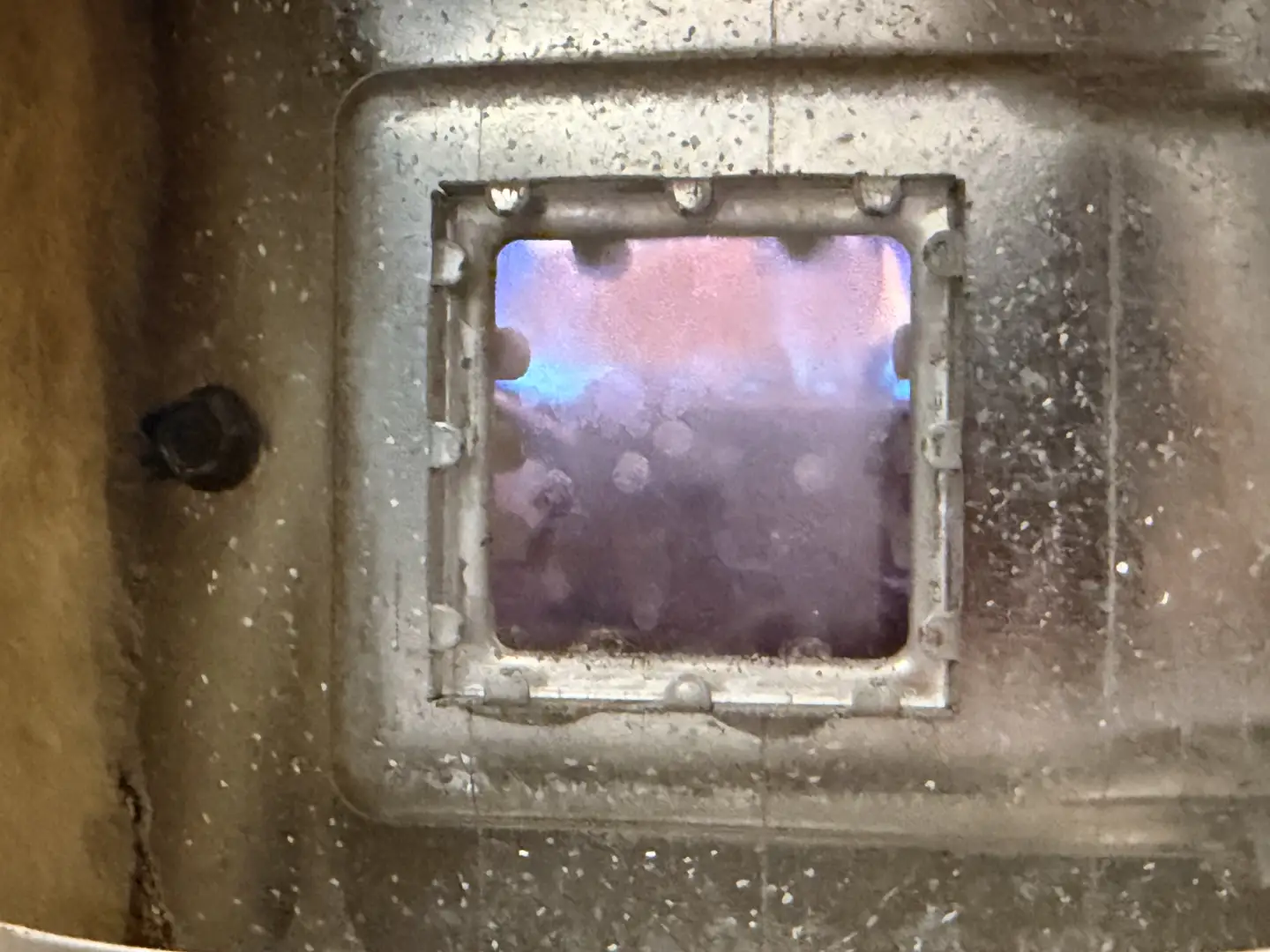
Understanding the “guts” of these machines helps explain why they perform differently. In a traditional tank, cold water enters through a “dip tube” that directs it to the bottom. A thermostat senses the temperature drop and triggers either a gas burner assembly or electric heating elements. The hot water naturally rises to the top, where it is drawn out for your shower.
In a tankless system, there is no reservoir. When you flip a hot water handle, a flow sensor detects the movement of water and ignites the burner or activates the electric coils. The water travels through a serpentine path of copper or stainless steel pipes called a heat exchanger, which transfers heat instantly. To see more about these technologies, visit our main page on water heaters.
Gas vs. Electric Power Sources
The “fuel” you use changes everything in a tankless vs tank water heater comparison.
- Gas Units: These are generally more powerful and are often the only way to get enough GPM for a whole house in cooler climates. However, tankless gas units require specialized Category III stainless steel venting because the exhaust is so hot and acidic. They also often need a larger gas line diameter (usually 3/4 inch) than a standard tank.
- Electric Units: These are simpler to install because they don’t need vents, but they draw a massive amount of power. Many older homes in Bay Point or Clayton would require an electrical panel upgrade to 200 or 300 amps just to support a whole-home electric tankless unit.
We’ve broken down these fuel differences further in the great water heater debate gas vs electric.
Sizing for Your Household
Sizing isn’t just about gallons; it’s about “peak demand.” For a tank, we look at the “first-hour rating,” which is how much hot water the unit can supply in one hour starting with a full tank.
For tankless, sizing is about “thermal lift.” In our part of Northern California, groundwater temperatures might be 55°F in the winter. To get that water to a comfortable 120°F shower, the unit has to “lift” the temperature by 65 degrees. The higher the lift, the lower the GPM the unit can produce. If you have three bathrooms and a large family, you need a unit with a high GPM rating. Our water heater installation Brentwood guide 2025 offers more specific tips on getting the sizing right for local homes.
Longevity and Reliability Standards

If you plan on living in your home for the next two decades, the tankless vs tank water heater comparison leans heavily toward tankless.
- Tanks: Generally last 8 to 12 years. Because they constantly hold water, the metal eventually fatigues and corrodes. When a tank fails, it often leaks or bursts, which can lead to major water damage.
- Tankless: These units are designed to last 20 years or more. They are built with replaceable parts, meaning if a sensor or a heating element fails, we can usually fix it rather than replacing the whole machine.
The benefits of a tankless water heater include this extended lifespan, which helps offset the higher initial installation cost over time.
Impact of Water Quality
Water quality is the “silent killer” of water heaters. Hard water causes scale buildup that acts as an insulator, forcing your heater to work harder and eventually overheat. In areas with particularly high mineral content, like Byron or Knightsen, we often recommend a water softener or a whole-home filtration system.
Protecting your investment starts with the water itself. You can learn about your options in our guide to the best water filtration system.
Safety and Leak Prevention
Safety is a major priority for us at Flow Pro Plumbing.
- Tank Safety: The biggest risk is the T&P (Temperature and Pressure) relief valve. If this fails and the tank overheats, the pressure can become dangerous. Also, 75% of tanks eventually leak, which can be a disaster if your heater is located in a finished area.
- Tankless Safety: These units have sophisticated sensors that shut the system down if they detect overheating or venting issues. Since they don’t store 50 gallons of water, the risk of a catastrophic flood is significantly lower.
If you ever wonder, “can a tankless hot water heater be repaired,” the answer is usually yes, thanks to these advanced diagnostic codes and modular parts.
Installation Considerations for Homeowners
Replacing a tank with another tank is usually a straightforward “swap.” But switching from a tank to a tankless is a “retrofit.” This involves:
- Venting: Running new pipes through the roof or wall.
- Gas Lines: Potentially up-sizing your gas pipes.
- Mounting: Finding the right wall space, sometimes even outdoors if the climate allows.
For those interested in making the switch, our tankless water heater installation guide covers the logistical hurdles you might face.
Professional Requirements
This is not a DIY project. In Walnut Creek and Pleasant Hill, local building codes are strict about gas pressures and venting safety. Professional installers handle the permit acquisition and ensure the system meets all safety standards.
If you are looking for local experts, we have a licensed professional affordable your guide to Concords best tankless installers that explains what to look for in a contractor.
Choosing Based on Climate
While we don’t deal with the freezing temperatures of the Midwest, our groundwater does get chilly in the winter months. This affects the “flow rate” of tankless units. A unit that provides 5 GPM in the summer might only provide 3.5 GPM in January. When we help with a water heater replacement Brentwood guide, we always account for these seasonal shifts to ensure you aren’t left with a lukewarm shower during a cold snap.
Frequently Asked Questions
Which system is better for a large family?
It depends on how you use water. If you have four people who all need to shower at the exact same time in different bathrooms, a large high-recovery tank or two tankless units might be necessary. However, if your family takes showers back-to-back, a tankless unit is superior because it will never run out of hot water.
How long does it take to get hot water with a tankless unit?
A common myth is that tankless means “instant” water at the tap. While it heats water instantly, that water still has to travel through the pipes to reach your faucet. You may experience a 5-10 second delay compared to a tank while the unit fires up and pushes the hot water through the line.
Do tankless water heaters require a water softener?
They don’t require one to function, but if you have hard water, a softener is highly recommended. Without it, you will need to flush the unit more frequently (sometimes twice a year) to prevent scale from damaging the heat exchanger and voiding your warranty.
Conclusion
Choosing the right system is a big decision for your home’s comfort and your monthly budget. Whether you prefer the tried-and-true reliability of a traditional tank or the high-efficiency, space-saving benefits of a modern tankless unit, the key is professional sizing and installation.
At Flow Pro Plumbing, we specialize in helping homeowners across Brentwood, Oakley, and the surrounding East Bay areas find the perfect fit for their lifestyles. We pride ourselves on our unsurpassed workmanship and our friendly, expert team. If you’re ready to upgrade or just need a consultation, we’re here to help with your water heater installation Brentwood Ca needs. Give us a call today, and let’s get the hot water flowing!