
Is Your Bathroom Plumbing Holding Your Home Back?
Bathroom plumbing is the network of supply lines, drain pipes, vents, and fixtures that delivers fresh water to your sink, toilet, and shower — and carries wastewater safely away from your home.
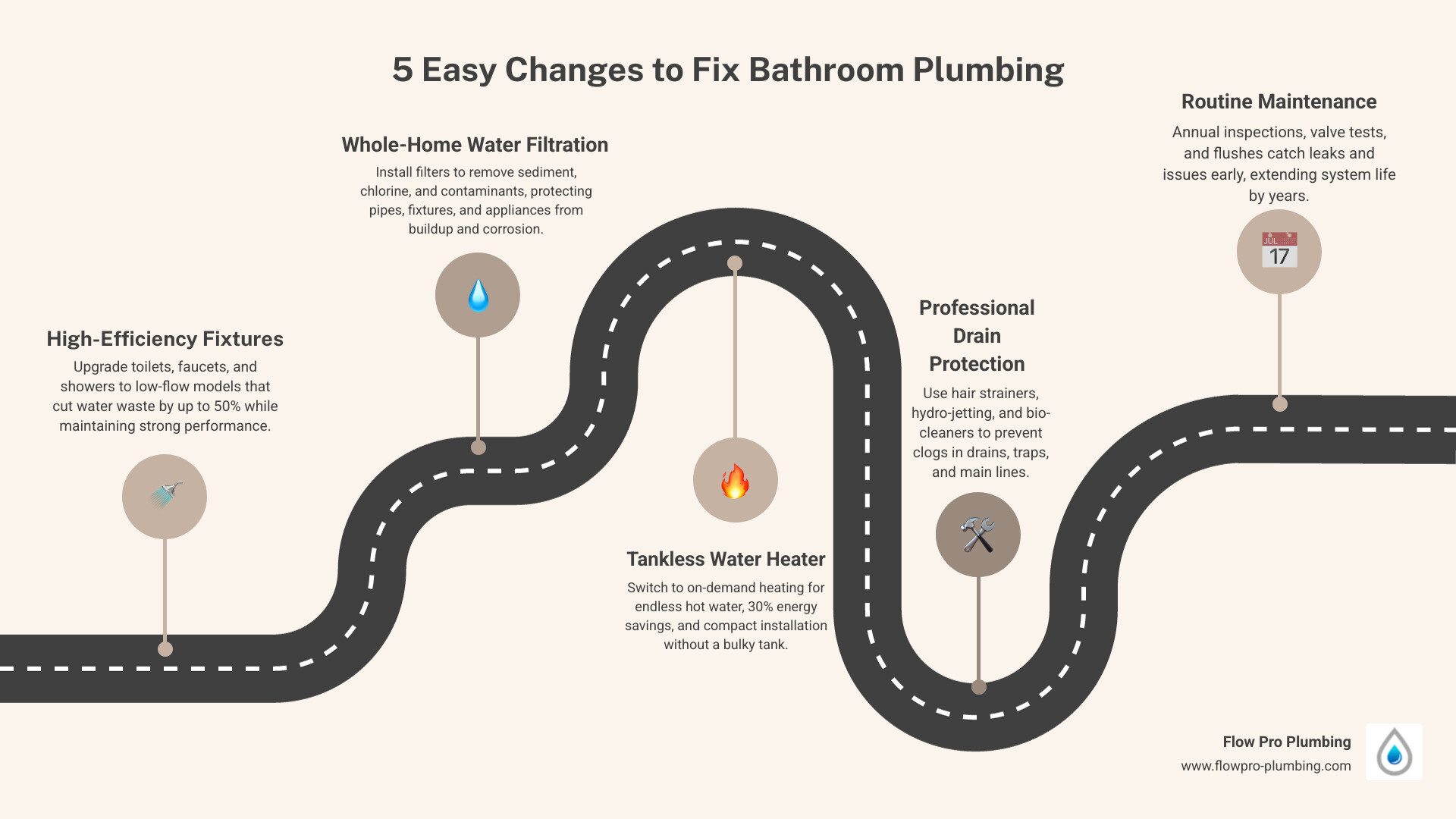
Here are the 5 easy changes covered in this guide:
- Upgrade to high-efficiency fixtures to reduce water waste
- Install whole-home water filtration to protect your pipes and appliances
- Switch to a tankless water heater for on-demand hot water
- Add professional drain protection to stop clogs before they start
- Schedule routine maintenance to catch small issues before they become big ones
Most homeowners never think about their bathroom plumbing until something goes wrong — a slow drain, a running toilet, or a sudden drop in water pressure. By then, what started as a minor inconvenience can quickly turn into a stressful, costly situation. The good news is that a few smart, proactive changes can keep your bathroom running smoothly year-round and help you avoid those unwelcome surprises.
I’m Jesse Delgado, owner of Flow Pro Plumbing in Brentwood, California, and I grew up learning bathroom plumbing alongside my father on residential and commercial jobsites. Over the past decade as a licensed C-36 plumber, I’ve seen the same fixable problems cause real headaches for homeowners across the East Bay — and this guide walks you through the changes that make the biggest difference.
Understanding the Core of Your Bathroom Plumbing System
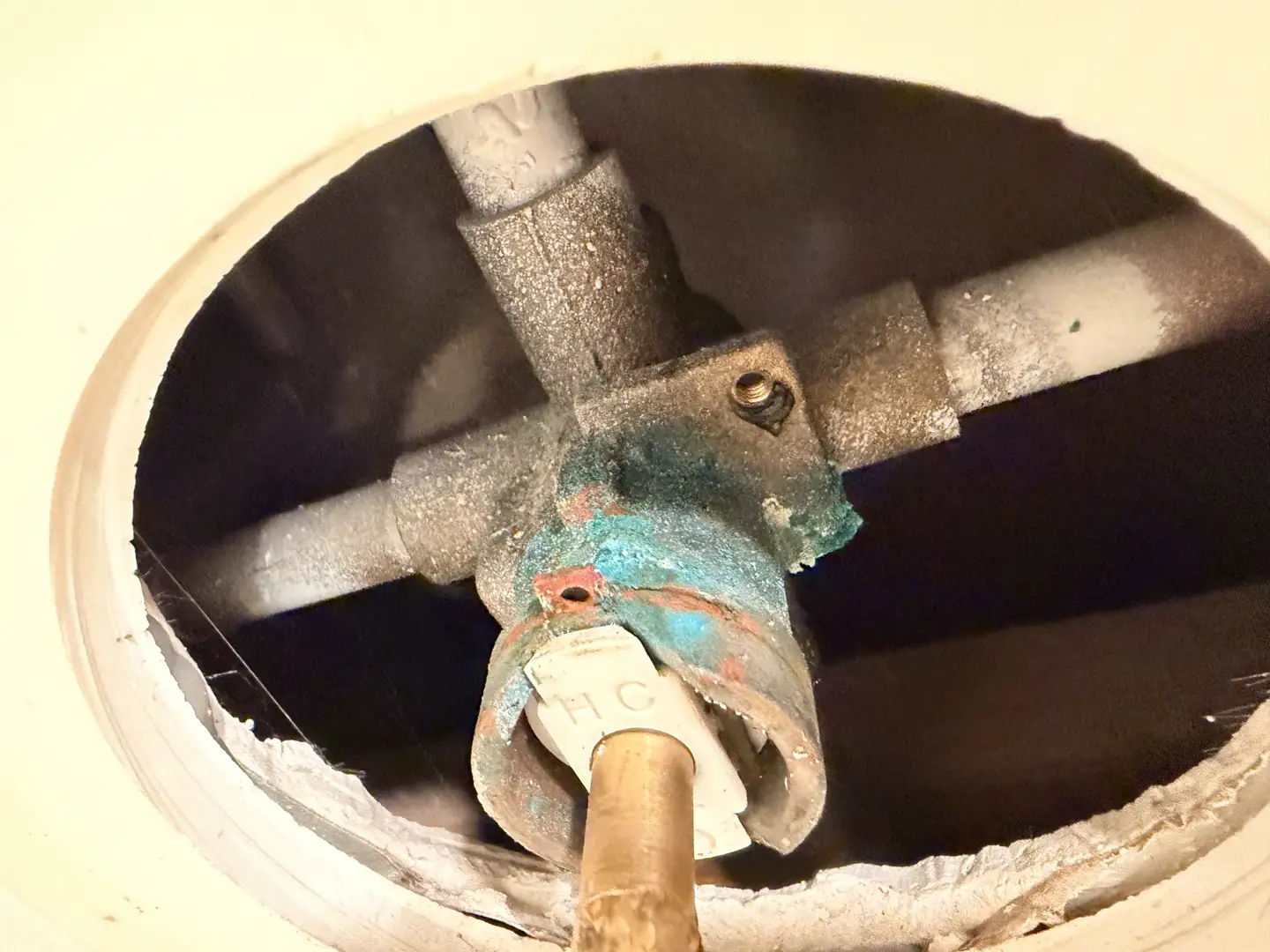
To make smart changes, we first need to look at what’s happening behind your tiles. Your bathroom plumbing is essentially two separate systems working in harmony: one that brings clean water in and another that takes dirty water out. They never meet, but they rely on each other to keep your home sanitary.
The water supply system delivers fresh water from the city main (or your well) through a series of branch lines. These pipes are pressurized, which is why water shoots out the moment you turn a faucet handle. In our service areas like Oakley and Antioch, we typically find the main shutoff valve in the garage or near the front of the home. Knowing where this is can save your home from a flood if a pipe ever bursts!
If you are planning a project, understand What Plumbing is Needed for Bathroom installations to ensure your system can handle the load.
The Water Supply Network
Fresh water distribution comes in two main flavors: direct and indirect. In a direct system, your cold water comes straight from the main line under high pressure. An indirect system uses a storage cistern to hold water before it reaches your fixtures.
Because modern fixtures can be sensitive, we often install pressure regulators to keep the “push” of the water at a safe level, preventing damage to your valves. For hot water, the supply branches off to your water heater before traveling to your shower and sink.
The Wastewater Removal System
Once you’ve used the water, the Drain-Waste-Vent (DWV) system takes over. Unlike the supply side, this system relies on gravity. Pipes must be sloped precisely—usually a 1/8 to 1/4 inch drop per foot—to keep waste moving. All your bathroom drains eventually meet at the soil stack, a large vertical pipe that carries waste down to the main sewer line and allows gases to vent out through the roof. For a deeper dive into keeping these lines clear, check out our Bathroom Drain Cleaning Ultimate Guide.
Material Comparison Table
When we repipe bathrooms in Concord or Pittsburg, we choose materials based on durability and water quality.
| Material | Best Use | Pros | Cons |
|---|---|---|---|
| Copper | Supply Lines | Extremely durable, bacteria-resistant | Higher material cost, requires soldering |
| PEX | Supply Lines | Flexible, freeze-resistant, fewer fittings | Cannot be used outdoors (UV sensitive) |
| PVC | Drain Lines | Affordable, easy to install, won’t corrode | Can be noisy when water drains |
Essential Rough-In Dimensions for a Flawless Layout
If you’re thinking about Plumbing and Your Bathroom Remodel, “rough-in” is a term you’ll hear a lot. This refers to the stage where all the pipes are installed but the walls aren’t closed yet. Getting the dimensions right at this stage is the difference between a toilet that fits perfectly and one that hits the vanity every time you sit down.
Plumbing codes, such as the International Plumbing Code (IPC) and the Uniform Plumbing Code (UPC), set the rules for these measurements. As of April 2026, these codes remain the gold standard for ensuring safety and functionality in California homes.
Standard Rough-In Dimensions for Bathroom Plumbing
- Toilet Closet Flange: The center of the drain should be exactly 12 inches from the finished rear wall.
- Sink Drain Height: Typically, the center of the lavatory drain is 18 inches above the finished floor.
- Sink Supply Spacing: These lines are usually 8 inches apart (4 inches left and right of the drain center) and 3 inches above the drain pipe.
- Shower Arm Height: We standardly install these at 80 inches from the floor, though the shower head itself usually sits between 65 and 78 inches.
Clearance and Buffer Requirements
Space matters for comfort! Code requires at least 15 inches from the center of the toilet to any side wall or fixture, though we recommend 18 inches if you have the room. You also need a “front buffer”—a minimum of 21 inches of clear space in front of the toilet, though 30 inches feels much more natural. Proper spacing is a key part of any Toilet Installation and Repair project.
The Role of Vents and Traps in Bathroom Plumbing
Have you ever wondered why there is a U-shaped pipe under your sink? That’s the P-trap, and it’s one of the most important parts of your bathroom plumbing.
The Function of the P-Trap
The P-trap’s job is to hold a small amount of water at all times. This “trap seal” acts as a physical barrier that prevents stinky, dangerous sewer gases from entering your bathroom. It also serves as a catch-all for heavy objects (like a wedding ring!) that might accidentally fall down the drain. If you smell a “rotten egg” odor, your trap might have dried out. Keeping these in good shape is essential for Bathroom Plumbing Repair.
Why Every Fixture Needs a Vent
Pipes need to breathe. Plumbing vents extend from your drain lines up through the roof to allow air into the system. Without this air, the rushing water would create a vacuum (siphonage) that would suck the water right out of your P-traps, leaving your home vulnerable to sewer smells.
In colder climates, we increase vent sizes to 3 inches before they exit the roof to prevent frost from clogging the opening. Proper venting is a major step in How to Prevent Your Bathroom Plumbing from Toilet Emergencies.
5 Professional Changes to Optimize Your Bathroom Plumbing
Now that you know how the system works, let’s look at the five changes that provide the best “bang for your buck” in terms of comfort, efficiency, and home value.
1. Upgrading to High-Efficiency Fixtures
Older toilets can use up to 3.5 gallons per flush, while modern high-efficiency models use as little as 1.28 gallons. This change alone can save a family thousands of gallons of water a year. When you Choose the Best Toilet for Your Home, look for the WaterSense label. We provide expert Toilet Installation Brentwood CA to ensure these low-flow units perform exactly as they should without frequent clogs.
2. Installing Whole-Home Water Filtration
The water in Contra Costa County is safe, but it can contain minerals that lead to scale buildup. A whole-home filtration system removes sediment and reduces chlorine before the water ever touches your pipes. This protects your expensive faucets from corrosion and extends the life of your dishwasher and water heater. It’s like giving your plumbing system a spa day, every day!
3. Transitioning to Tankless Water Heating
Tired of the shower going cold because the kids used all the hot water? Tankless water heaters heat water on demand. They are incredibly energy-efficient because they aren’t keeping 50 gallons of water hot all night when nobody is using it. They also take up much less space—usually mounting right on the wall. Just remember, these units need annual maintenance to descale the heating elements and keep them running at peak performance.
4. Implementing Professional Drain Protection
Clogs are the #1 bathroom complaint. Beyond using simple hair strainers, we recommend professional services like hydro jetting for older homes in Discovery Bay or Pittsburg. Hydro jetting uses high-pressure water to scrub the inside of your pipes, removing years of grease and scale that a standard snake can’t touch. For more tips on managing stubborn blockages, see our Clogged Toilet Ultimate Guide.
5. Maintaining Your Bathroom Plumbing for Longevity
Prevention is the best medicine. We recommend:
- Annual Inspections: Let us check for hidden leaks or slow-moving drains.
- Testing Shutoff Valves: Turn your valves off and on once a year to make sure they don’t “freeze” in place.
- Water Heater Flushing: Drain your tank annually to remove sediment that causes noise and inefficiency.
Regular care is especially important for Oakley Toilet Repair and maintenance to avoid middle-of-the-night emergencies.
Common Bathroom Plumbing Issues and When to Call a Pro
Even with the best maintenance, things happen. Knowing when to DIY and when to call Flow Pro Plumbing can save you from a much bigger mess.
Identifying Hidden Leaks
A spike in your water bill is often the first sign of a leak. Check for moisture on walls, warped flooring, or a musty smell. If you find yourself asking Why is My Toilet Leaking at the Base?, it’s likely a failed wax ring. This needs to be fixed immediately to prevent the subfloor from rotting. These and other Common Toilet Problems are best handled by a pro to ensure a watertight seal.
Resolving Persistent Clogs
If a plunger doesn’t work after two or three tries, stop! You could be pushing the clog deeper or damaging the porcelain. Persistent clogs, especially if they affect multiple fixtures, often indicate a main sewer line issue or root intrusion. We use specialized cameras to see exactly what’s happening underground. Whether you need Toilet Repair Discovery Bay CA or have a Toilet Clog Antioch CA, we have the tools to clear it safely.
Frequently Asked Questions about Bathroom Plumbing
Why does my toilet keep running?
A running toilet is usually caused by a faulty flapper valve that isn’t sealing, or a fill valve that is set too high. It might seem minor, but a running toilet can waste hundreds of gallons of water a day. Learn more about Why Does My Toilet Keep Running? to stop the waste.
How do I prevent common bathroom clogs?
The best way is to be mindful of what goes down the drain. Only flush toilet paper—never “flushable” wipes, cotton balls, or feminine products. In the shower, use a mesh strainer to catch hair before it reaches the trap. Check out our guide on How to Prevent Common Toilet Clogs for more helpful hints.
What is the difference between a clog and a vent issue?
If a drain is slow but eventually clears, it’s usually a clog. If you hear “gurgling” sounds from the sink when you flush the toilet, or if you smell sewer gas, you likely have a vent issue. Vents regulate airflow; when they are blocked, the system struggles to “breathe,” causing slow drainage and siphoned traps.
Conclusion
Your bathroom plumbing doesn’t have to be a mystery. By understanding the basics of supply and drainage and making a few key upgrades — like high-efficiency fixtures and better filtration — you can enjoy a more comfortable, reliable home.
At Flow Pro Plumbing, we are proud to serve our neighbors in Brentwood, Oakley, Antioch, Discovery Bay, Pittsburg, and Concord. Our team of licensed plumbers is known for fast response times, clear communication, and workmanship that lasts. We treat your home with the respect it deserves, ensuring every job is fast, clean, and courteous.
Ready to optimize your home? Schedule your bathroom plumbing service today for expert help!