

Your Guide to Common Bathroom Plumbing Problems
Bathroom plumbing repair issues can turn your peaceful sanctuary into a source of stress and frustration. Whether you’re dealing with a leaky faucet that won’t stop dripping, a toilet that runs constantly, or mysterious damp spots on your bathroom floor, these problems rarely fix themselves and often get worse over time.
Most Common Bathroom Plumbing Issues:
- Leaky faucets and fixtures – dripping that increases water bills
- Running toilets – constant water flow that wastes hundreds of gallons
- Clogged drains – slow drainage in sinks, tubs, and showers
- Low water pressure – weak flow from faucets and showerheads
- Hidden leaks – water damage behind walls and under floors
- Frozen pipes – winter damage that can cause burst pipes
The research shows that homeowners face these problems regularly. A leaky toilet or slow-draining sink might seem minor, but as one plumbing expert noted: “We count on our bathrooms to be a safe haven of privacy and reliability. After all, there’s no one who wants cold showers or a stubborn clog in the toilet.”
When to Call a Professional:
- Water damage is visible
- Multiple fixtures are affected
- You smell sewer gas
- DIY attempts have failed
- The problem keeps returning
I’m Jesse Delgado, a licensed plumber with over ten years of experience helping East Bay homeowners solve their bathroom plumbing repair challenges. Through my company Flow Pro Plumbing, I’ve seen how quickly small bathroom issues can become major headaches without proper attention.
Handy Bathroom plumbing repair terms:
Identifying Hidden Leaks in Your Bathroom
One of the most insidious plumbing problems is a hidden leak. Unlike a dripping faucet, these leaks aren’t always obvious, but they can cause significant damage to your home’s structure and lead to mold growth. Identifying a leak in your bathroom plumbing system early can save you a lot of trouble and expense down the line.
So, how can you tell if you have a leak lurking behind your walls or under your floors? Here are some tell-tale signs we’ve observed over the years:
- Musty Odors: A persistent, damp, or moldy smell in your bathroom, especially near walls or flooring, often indicates hidden moisture from a leak. Water trapped in enclosed spaces creates an ideal breeding ground for mold and mildew.
- Wall Discoloration or Damage: Look for stains, streaks, or warping on your bathroom walls or ceiling. Paint might bubble or peel, or wallpaper might bulge. These are clear indicators that water is seeping through.
- Damp Floors or Carpets: If your bathroom floor or adjacent carpeting feels consistently damp or spongy, even when there hasn’t been a recent spill, it’s a strong sign of a sub-floor leak.
- High Water Bills: This is often the first clue for many homeowners. If your water bill suddenly spikes without any change in your water usage habits, a continuous leak is very likely the culprit. A leak can cause more than water wastage; it can damage your home’s structure and furnishings.
- Sound of Running Water: If you hear the faint sound of running or dripping water when all your fixtures are turned off, your plumbing system might be leaking.
- The Water Meter Test: This is a simple, effective DIY method. First, ensure no water is being used inside or outside your home. Then, check your water meter and note the reading. Wait about 15-30 minutes, then check the meter again. If the reading has changed, you likely have a leak somewhere in your system.
Pipes older than ten years may show signs of wear and tear, and homes with copper or galvanized steel piping can experience corrosion, leading to leaks. High water pressure can also cause pipes to burst, leading to periodic leaks. For more information on how water systems are set up, check out our guide on what plumbing is needed for a bathroom. Early detection is key, so if you notice any of these signs, it’s time to investigate further, or better yet, call in the pros.
Dealing with Clogged Drains
Ah, the dreaded clogged drain. It’s one of the most common and annoying bathroom plumbing repair issues. Clogged drains can range from a minor inconvenience to a complete standstill, making your bathroom unusable.
Here are the common signs and causes:
- Slow-Draining Sinks and Tubs: This is usually the first indicator. If water takes an unusually long time to go down the drain after you’ve used the sink or shower, you’re likely developing a clog.
- Standing Water: Eventually, a slow drain can become completely blocked, leading to standing water in your sink, tub, or shower basin. This is not only unsightly but also unhygienic.
- Gurgling Sounds: When water struggles to pass through a partially blocked pipe, air gets trapped and creates gurgling noises as it tries to escape. This can happen in the toilet or other drains when water is being used elsewhere.
- Unpleasant Odors: As debris accumulates in your drain, it can start to decompose, producing foul smells that waft up into your bathroom. Clogged drain vents can also cause unpleasant odors and reduced water pressure.
So, what causes these annoying blockages?
- Hair Buildup: This is by far the most common culprit in bathroom drains, especially in showers and bathtubs. Strands of hair combine with soap scum to form stubborn mats that cling to pipe walls.
- Soap Scum: The residue from soaps, shampoos, and conditioners can build up over time, narrowing the drain pipes and trapping other debris.
- Foreign Objects: Jewelry, small toys, cotton swabs, dental floss, and other items accidentally dropped down the drain can easily cause a blockage.
- Grease and Oil: While more common in kitchen drains, some grease or oil from cosmetics or lotions can contribute to bathroom clogs.
- Mineral Buildup: In areas with hard water, minerals can accumulate inside pipes, restricting flow and creating rough surfaces for other debris to latch onto.
- Clogged Plumbing Drain Ventilation: Clogged drain vents, roof drain vents, or plumbing vent stacks can lead to poor drainage, foul odors, and reduced water pressure.
While some minor clogs can be addressed with a plunger or a drain snake, persistent or deep clogs often require professional attention to prevent damage to your pipes. For a more in-depth look at tackling drain issues, explore our Bathroom Drain Cleaning Ultimate Guide.
A Closer Look at Your Bathroom Fixtures
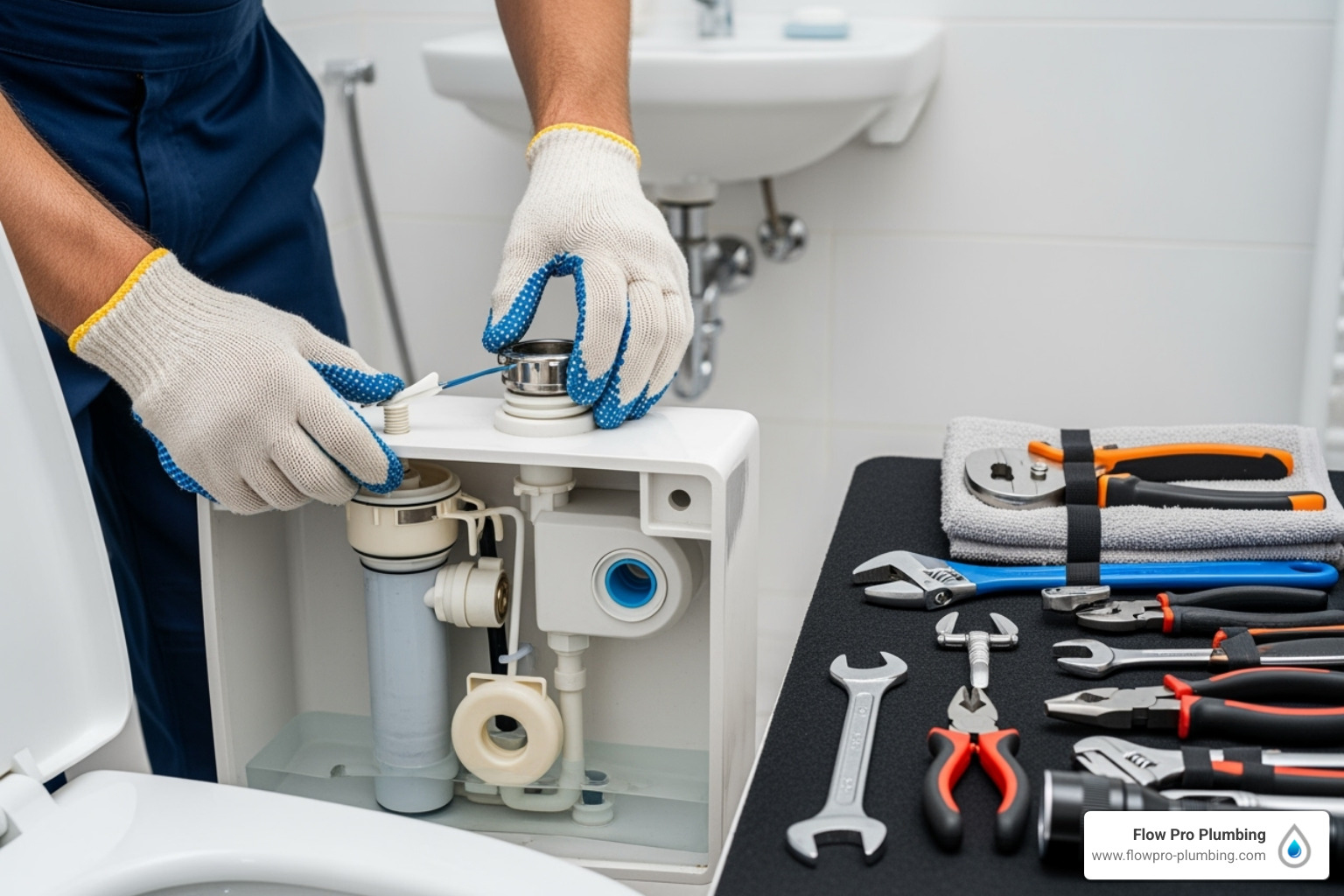
Think of your bathroom fixtures as the hardworking team that keeps your daily routine flowing smoothly. Your toilet, faucets, shower, and bathtub might seem simple, but they’re actually pretty sophisticated pieces of equipment. When one starts acting up, it’s like having a key player benched – everything feels off.
I’ve spent countless hours diagnosing fixture problems, and I can tell you that understanding what’s happening behind the scenes makes all the difference. Whether it’s a toilet that won’t stop running or a faucet that drips all night, these issues rarely fix themselves. In fact, they usually get worse and can lead to more significant damage the longer you wait.
Let’s explore the most common problems I see with each type of fixture, so you’ll know when it’s time to roll up your sleeves or give us a call.
Signs You Need Bathroom Plumbing Repair for Your Toilet
Your toilet is probably the most important fixture in your bathroom – and definitely the one that causes the most panic when it stops working properly. I’ve gotten plenty of emergency calls from homeowners dealing with toilet troubles, and most of these problems give you clear warning signs before they become disasters.
Constant running is hands down the most common issue I encounter. If your toilet keeps running long after you flush, or if it randomly starts running on its own (we call this “phantom flushing”), you’re literally watching money go down the drain. This usually happens when the flapper in your tank doesn’t seal properly, or when the fill valve gets stuck open.
Hissing sounds coming from your toilet tank are another red flag. That continuous whisper-like noise means water is slowly escaping somewhere, even when nobody’s using the toilet. It’s often the fill valve trying to maintain the water level against a slow leak.
A weak flush that leaves you pressing the handle multiple times is frustrating and embarrassing. This can happen when there’s a partial clog, when the flapper isn’t opening fully, or when the siphon jet holes around the rim get clogged with mineral deposits.
Phantom flushing deserves special mention because it’s so mysterious. Your toilet will suddenly refill itself in the middle of the night, making you wonder if you have a ghost. What’s actually happening is a slow leak from the tank to the bowl that eventually drops the water level enough to trigger the fill valve.
Leaks at the base are the most serious toilet problem I see. If you notice water pooling around the bottom of your toilet, especially after flushing, the wax seal underneath has likely failed. This isn’t just a water waste issue – it can cause serious damage to your subfloor and the ceiling below.
Cracks in the porcelain might seem minor, but they’re ticking time bombs. Even hairline cracks can suddenly expand, and when they do, you’ll have a flood on your hands. The question of whether to repair or replace often comes up, and this discussion about cracked toilet tanks covers the key considerations.
For more detailed information about these issues, check out our comprehensive guide on common toilet problems. And if you’re dealing with a stubborn blockage, our clogged toilet repair service can get things flowing again.
Common Faucet Types and Their Repair Issues
Faucets are funny – you use them dozens of times a day without thinking, but the moment they start dripping, that rhythmic drip… drip… drip becomes all you can hear. I’ve had customers tell me they’ve lost sleep over a dripping faucet, and honestly, I don’t blame them.
The thing about dripping faucets is that they seem so minor, but they waste a significant amount of water. Even a slow drip can waste hundreds of gallons over a year.
Low water pressure is another common complaint that can turn your morning routine into a frustrating experience. Sometimes it’s as simple as a clogged aerator (that little screen at the tip of your faucet), but other times it indicates mineral buildup deeper in your plumbing system or even problems with your home’s main water supply.
The type of faucet you have determines what’s likely to go wrong and how to fix it. Ball faucets with their single handles use a rotating ball mechanism that’s prone to leaks when the rubber seals and springs inside wear out. Cartridge faucets, whether single or double-handle, rely on cylindrical cartridges that can wear down over time, causing temperature control problems or persistent drips.
Disc faucets are the modern workhorses – they use two ceramic discs that slide against each other for precise control. They’re incredibly durable, but when they do fail, it’s usually because the seals around the discs have worn out or the discs themselves have gotten scratched.
The older compression faucets you might find in vintage homes work by compressing a rubber washer against a valve seat. When these start leaking, it’s almost always because those worn washers or O-rings need replacement.
Mineral buildup from hard water is the silent enemy of all faucet types. These crusty deposits can clog aerators, stiffen moving parts, and create rough surfaces that prevent proper sealing. Regular cleaning helps, but sometimes professional attention is needed to get everything working smoothly again.
While replacing a simple washer might be within your DIY comfort zone, many faucet repairs require precision and the right tools. An improperly installed component can lead to water damage inside your walls – definitely not worth the risk. If you’re dealing with that annoying drip, our guide on how to stop a faucet from dripping walks you through the basics, but don’t hesitate to call in the pros for bathroom plumbing repair when you need it.
Prevention and Professional Solutions
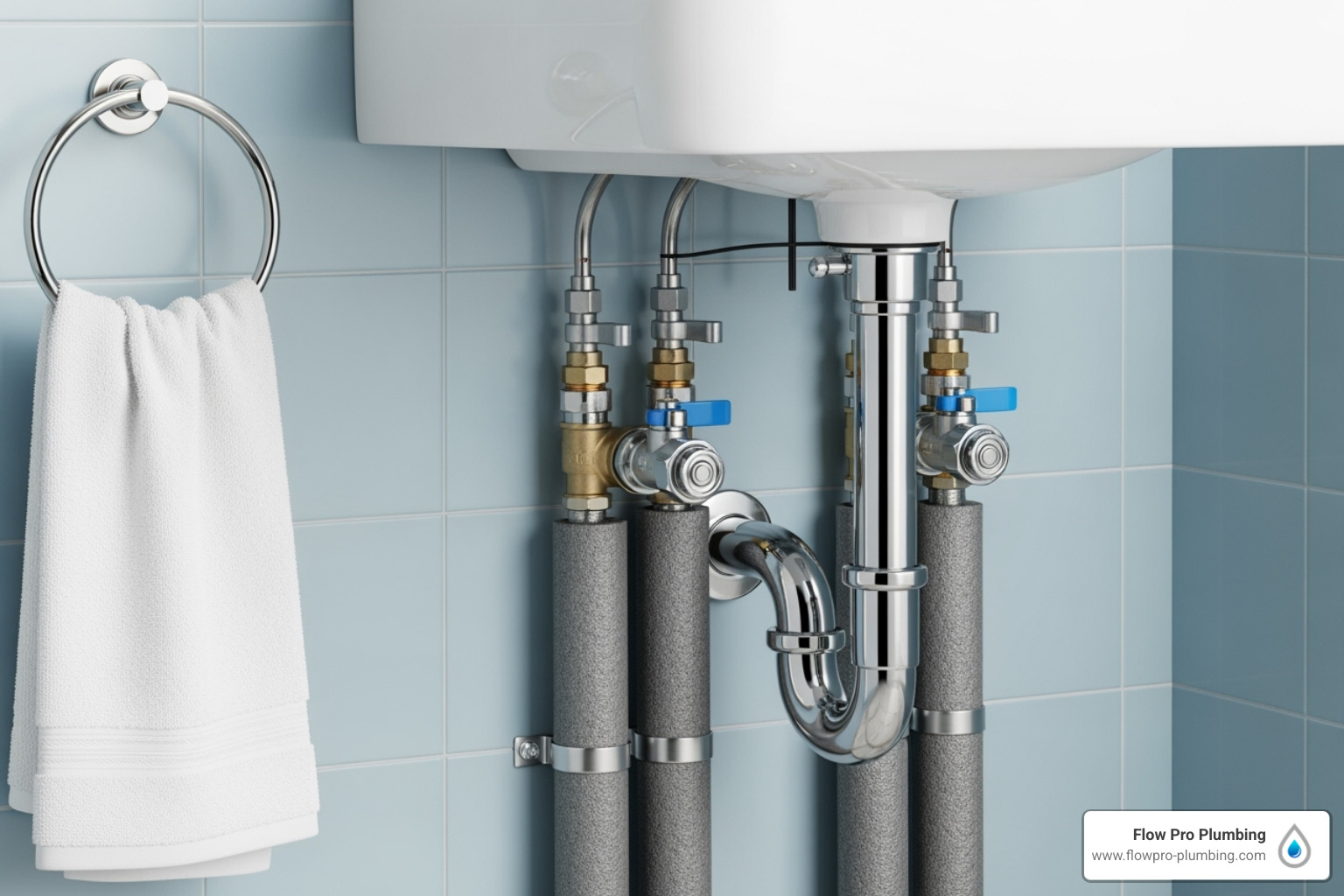
The old saying “an ounce of prevention is worth a pound of cure” couldn’t be more true when it comes to bathroom plumbing repair. Taking a few simple steps now can save you from middle-of-the-night emergencies, water damage, and the frustration of a bathroom that’s out of commission when you need it most.
At the same time, it’s important to recognize when a problem is beyond your DIY skills. Some plumbing issues require professional expertise, specialized tools, and knowledge of local building codes. Knowing when to roll up your sleeves and when to call in the experts can make all the difference in protecting your home.
How to Prevent Frozen Pipes in Your Bathroom
Winter can be brutal on your plumbing system, and frozen pipes are one of those problems that can go from zero to disaster in a matter of hours. When water freezes inside your pipes, it expands and can create enough pressure to burst even the strongest copper or PVC pipes. The result? Flooding and significant water damage.
The good news is that preventing frozen pipes doesn’t require any special skills or expensive equipment. Insulating your pipes is your first line of defense, especially those running through unheated areas like crawl spaces, basements, or along exterior walls. You can pick up foam pipe insulation at any hardware store. It’s like giving your pipes a warm winter coat.
During cold snaps, try opening cabinet doors under your bathroom sinks. This simple trick allows warm air from your heated home to circulate around the pipes, keeping them above freezing temperature. It might seem like a small thing, but that extra few degrees can make all the difference.
When the weather forecast shows temperatures dropping below freezing, let your faucets drip slightly. Even the tiniest trickle of moving water can prevent ice from forming inside your pipes. Focus on faucets that are most at risk – typically those on exterior walls or in unheated areas.
Maintaining your thermostat temperature is crucial, even when you’re away from home. I know it’s tempting to turn the heat way down to save money when you’re on vacation, but keeping your home at least 50 degrees Fahrenheit ensures your pipes stay warm enough to avoid freezing.
Don’t forget to seal any cracks or openings near your plumbing. Cold air sneaking in through gaps in exterior walls or around pipe penetrations can create localized freezing conditions even when the rest of your home is warm.
When to Call a Professional for Bathroom Plumbing Repair
I’m all for homeowners tackling simple repairs – there’s real satisfaction in fixing something yourself. But after years in this business, I’ve seen too many situations where a well-meaning DIY attempt turned a minor issue into a major disaster. Knowing when to call a professional can save you time, prevent further damage, and reduce a lot of stress.
Minor clogs that respond to a plunger or drain snake are usually fine to handle yourself. Same goes for simple dripping faucets where you just need to replace a washer or clean a clogged aerator. These are great learning opportunities that won’t cause major damage if something goes wrong.
However, there are clear warning signs that it’s time to call in the professionals. Major leaks that are causing visible water damage or flooding need immediate professional attention. The longer you wait, the more damage water can do to your floors, walls, and the structural elements of your home.
Burst pipes are definitely not a DIY project. The water damage happens fast, and proper repair requires specialized tools and knowledge of your home’s plumbing system. If you have no water coming to your bathroom fixtures, or if you smell sewer gas in your bathroom, these are signs of serious problems that need professional diagnosis and repair.
Hidden water damage is particularly tricky because you might not see the full extent of the problem. What looks like a small leak on the surface could indicate major damage behind walls or under floors that requires professional assessment and repair.
When multiple fixtures in your bathroom are having problems at the same time, it usually points to a larger issue with your main plumbing lines. This type of bathroom plumbing repair requires professional equipment and expertise to diagnose and fix properly.
If you’ve tried to fix something yourself and the problem keeps coming back, that’s a clear sign that there’s something more complex going on. Professional plumbers have the diagnostic tools and experience to identify root causes, not just treat symptoms.
Emergency situations like sewage backups, gas line issues, or major flooding require immediate professional response. These aren’t just plumbing problems – they’re safety issues that can affect your family’s health and your home’s structural integrity.
Professional plumbers are licensed, insured, and trained to handle complex repairs safely and correctly. While DIY repairs might seem like a quick fix, improper repairs can lead to much bigger problems down the road. It’s often best to call in the experts from the start to ensure the job is done correctly.