

Is Your Tankless Water Heater Acting Up? Here’s What Brentwood Homeowners Need to Know
Tankless hot water heater repair is something most homeowners in Contra Costa County will face at least once — and knowing where to start makes all the difference. Whether you’re getting hit with cold water mid-shower, seeing a strange error code on the display, or noticing unusual noises coming from the unit, this guide walks you through what’s happening, what you can safely check yourself, and when to call in a licensed plumber.
Quick answers to common tankless water heater problems:
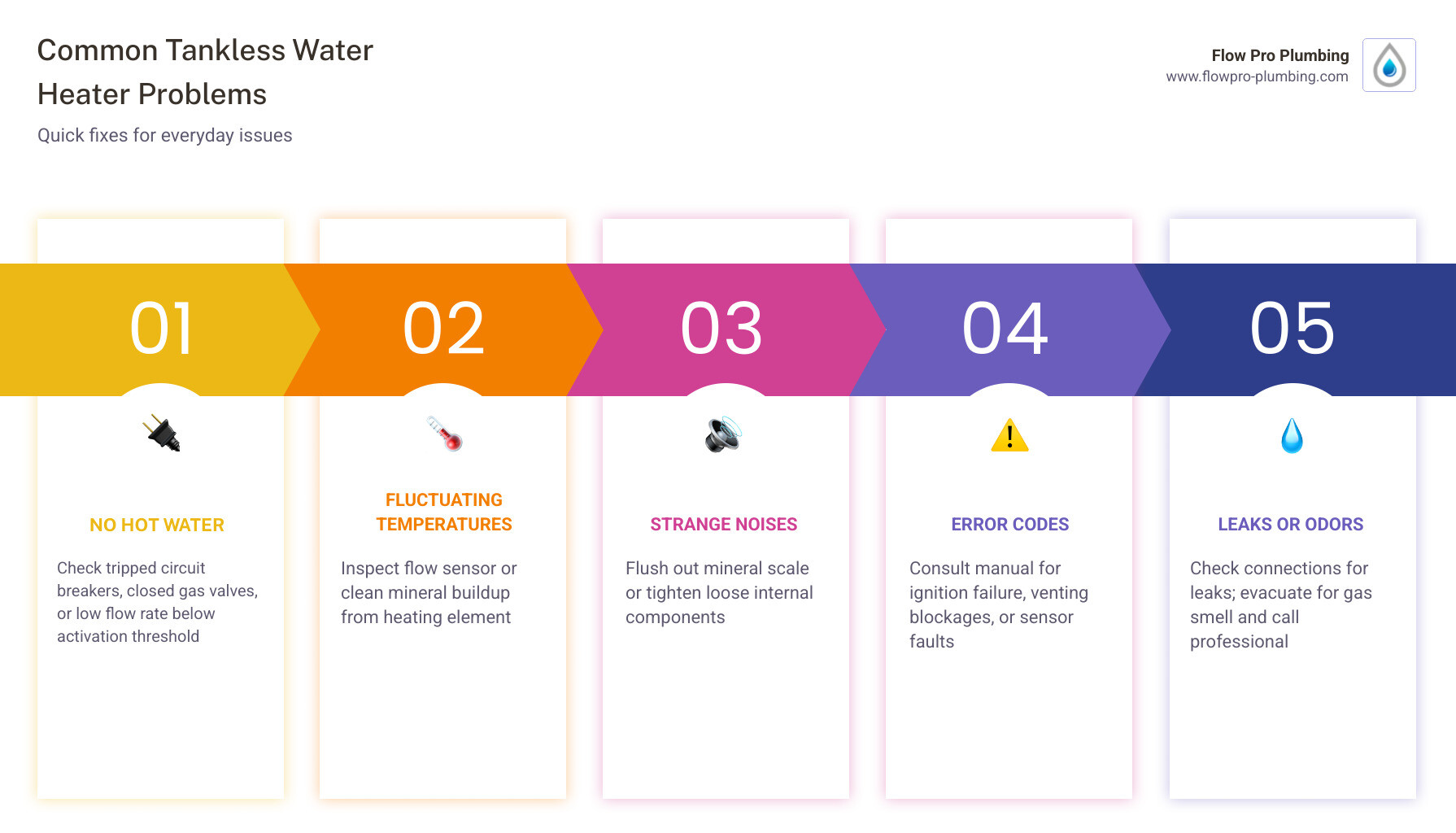
- No hot water – Check for tripped circuit breakers, closed gas valves, or a flow rate that’s too low to activate the unit
- Fluctuating temperatures – Often caused by a failing flow sensor or mineral buildup on the heating element
- Strange noises – Usually mineral scale buildup or loose internal components
- Error codes on display – Reference your manufacturer’s manual; common causes include ignition failure, venting blockages, or sensor faults
- Unusual odors – A rotten egg smell signals a potential gas leak; a burning smell may indicate an electrical issue — shut off the unit and call a professional immediately
- Leaks – Check inlet/outlet connections first; heat exchanger leaks require professional repair
- Low water pressure – Clean the inlet filter screen and check for flow restrictions
Tankless water heaters are built to last up to 20 years with proper care — roughly twice the lifespan of a traditional tank model. But when something goes wrong, the failure tends to be sudden and disruptive. Unlike a tank heater that slowly loses performance, a tankless unit can go from working perfectly to delivering cold water in a matter of minutes. Understanding the most likely causes puts you in a much better position to respond quickly and avoid costly damage.
I’m Jesse Delgado, owner of Flow Pro Plumbing in Brentwood, California, with over a decade of licensed plumbing experience and a background rooted in hands-on residential service — including tankless hot water heater repair for homeowners across Contra Costa County. I’ve seen how the right information at the right time can turn a stressful situation into a straightforward fix, and that’s exactly what this guide is designed to give you.
Recognizing the Signs Your System Needs Attention
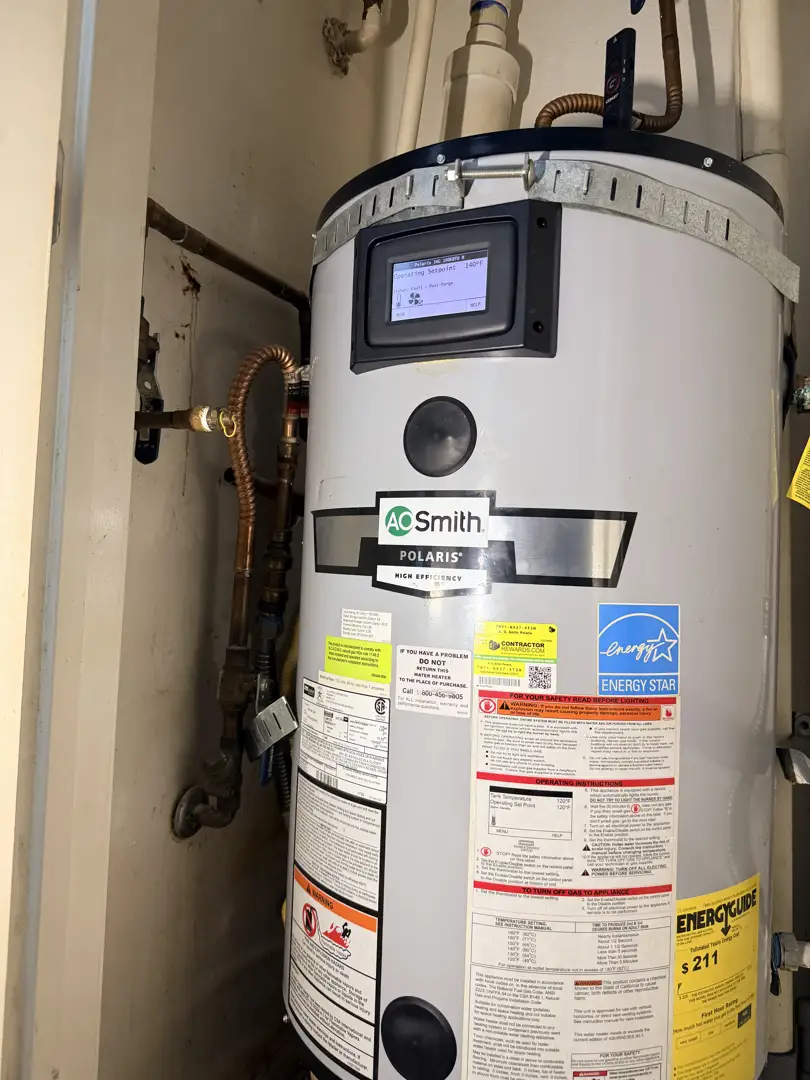
In April 2026, many homes in Brentwood and Oakley are equipped with high-efficiency on-demand systems. Because these units don’t store water, they don’t fail in the “traditional” way (like a flooded garage from a rusted tank). Instead, they “talk” to you through performance changes.
One of the most common signs is the “lukewarm disappointment” of fluctuating temperatures. If your shower starts hot, goes cold, and then gets warm again, your unit might be struggling with a broken flow sensor or heavy sediment. Another red flag is low water pressure specifically on the hot water side. This often indicates that the narrow passages inside the heat exchanger are narrowing due to scale.
If you hear rumbling, knocking, or banging, don’t ignore it. These sounds are often the “cries for help” of a unit choked by mineral deposits. To learn more about how these systems differ from older models, you can Explore Tankless Water Heaters to see why they require a different diagnostic approach.
Troubleshooting Tankless Hot Water Heater Repair Issues Safely
Before you dive into any tankless hot water heater repair, safety must come first. These units are complex machines that combine water, electricity, and often gas in a very small space. If you are experiencing issues, start with these basic, safe checks:
- Verify Power: It sounds simple, but a tripped circuit breaker or a loose plug is a frequent culprit for a “dead” unit.
- Check Gas and Water Valves: Ensure all supply valves are in the fully “open” position. A partially closed gas valve can lead to ignition failure.
- Inspect the Air Filter: Many tankless units have an intake air filter that can become clogged with dust or debris, starving the burner of oxygen.
- Minimum Flow Rate: Tankless heaters require a certain amount of water flow (usually around 0.5 gallons per minute) to “fire up.” If you’re only cracking the faucet open, the unit won’t turn on.
For a deeper look at why your system might be stalling, our Tankless Water Heater Problems Guide offers a comprehensive breakdown of common household scenarios.
Understanding Common Error Codes During Tankless Hot Water Heater Repair
Modern units are equipped with self-diagnostic computers. When something goes wrong, a two or three-digit code will usually flash on the digital display. While codes vary by manufacturer, here are the “usual suspects”:
- Ignition Failure: The unit tried to light but couldn’t. This is often due to gas supply issues or a dirty igniter rod.
- Flame Failure: The unit lit but couldn’t stay lit. This could be a sign of poor venting or a faulty flame sensor.
- Venting Blockage: In towns like Clayton or Discovery Bay, we often find bird nests or wasp hives blocking the exhaust pipes, which triggers a safety shutdown.
Why Professional Tankless Hot Water Heater Repair is Essential for Safety
While checking a breaker or cleaning a filter is a great DIY task, internal repairs are a different story. Tankless units use sealed combustion systems. If the internal seals are not reassembled perfectly, you risk carbon monoxide leaking into your home. Furthermore, working with gas lines and high-voltage circuit boards requires specialized tools and training.
Attempting to fix internal components yourself can also void your manufacturer’s warranty. If you’re wondering about the limits of what can be fixed, check out our article on Can a Tankless Hot Water Heater Be Repaired? to understand which parts are replaceable and which require a pro.
The Impact of Hard Water and Mineral Buildup
In our corner of California, hard water is the “silent killer” of tankless systems. Calcium and magnesium minerals are naturally present in the water supply. When that water is heated rapidly, those minerals solidify and stick to the walls of the heat exchanger.
Think of it like plaque in an artery. As the scale builds up:
- The unit has to work harder and run hotter to heat the water.
- The heat exchanger can eventually overheat and crack.
- Efficiency drops significantly, leading to higher utility bills.
The best defense is a “descale” or flush. Most manufacturers recommend this at least once a year. If you live in a particularly hard water area like Pittsburg or Bay Point, we may even suggest a six-month schedule. For a step-by-step look at how to protect your investment, see our Tankless Water Heater Maintenance Guide.
Deciding Between Repair and Replacement in 2026
As of April 2026, technology has advanced to make tankless units more efficient than ever. However, if your current unit is acting up, you have to weigh the options.
Generally, tankless hot water heater repair is the right move if:
- The unit is less than 8 to 10 years old.
- The issue is a replaceable part like a sensor, fan, or heating element.
- The unit has been maintained regularly.
On the other hand, replacement might be smarter if the heat exchanger is cracked or if the unit is approaching the 15-20 year mark. Replacing an aging unit can often pay for itself through increased energy efficiency and the peace of mind that comes with a new warranty. For residents in our service area, our Brentwood Tankless Heater Complete Guide provides more context on local installation standards and benefits.
Frequently Asked Questions
How often should I flush my tankless water heater?
For most homes in the Concord and Pleasant Hill areas, once a year is the gold standard. However, if you do not have a whole-home water softener and notice white “crust” on your showerheads, you should move to a six-month flushing schedule to prevent permanent damage to the heat exchanger.
What causes a “cold water sandwich”?
This is a common quirk of tankless technology. It happens when you turn off the hot water and then turn it back on quickly (like when lathering up in the shower). A small amount of cold water enters the line before the unit can fire back up, resulting in a brief “sandwich” of cold water between two bursts of hot. This is usually normal operation, though it can be minimized by keeping the unit’s internal bypass valves in good repair.
Is it safe to check for gas leaks myself?
You can safely perform a “sniff test” or use a soapy water solution on external pipe joints to look for bubbles. However, if you smell “rotten eggs,” you should immediately shut off the gas supply, evacuate the house, and call us or the gas company. Never attempt to repair a gas valve or internal gas line yourself.
Conclusion
At Flow Pro Plumbing, we take pride in helping our neighbors in Brentwood, Oakley, Antioch, and throughout Contra Costa County enjoy endless hot water without the stress. Whether you need a simple annual flush or a complex tankless hot water heater repair, our team of licensed professionals is ready to provide fast, clean, and courteous service.
Don’t let a minor error code turn into a major headache. We are committed to building long-term relationships through clear communication and workmanship that lasts. Schedule your tankless hot water heater repair today and get your home’s comfort back on track.