
What is the Difference Between Hard Water and Soft Water Anyway, Brentwood, CA?
The core difference between hard water and soft water lies in their mineral content.
- Hard Water: Contains high levels of dissolved minerals, primarily calcium and magnesium.
- Soft Water: Has low levels of these minerals, often because they have been removed by natural processes or a water softener system.
If you’ve ever noticed cloudy spots on your dishes or a strange film on your shower walls, you’re likely experiencing the effects of hard water in your Brentwood, CA home. Understanding what is the difference between hard water and soft water is key to tackling these common household issues. Hard water, found in about 85% of U.S. homes, contains higher concentrations of minerals that affect everything from plumbing to skin. Soft water, conversely, has low mineral levels, offering different benefits and considerations.
Discover solutions for your home’s water quality. Learn About Water Softeners or Schedule Your Water Test Today!
As Jesse Delgado, owner of Flow Pro Plumbing, I’ve spent years helping homeowners understand what is the difference between hard water and soft water and providing solutions to improve their water quality. This guide will walk you through everything you need to know about these two types of water.
Understanding the Core Difference Between Hard Water and Soft Water
To get technical for a moment, what is the difference between hard water and soft water comes down to the concentration of multivalent cations—specifically calcium and magnesium. As rainwater falls, it is naturally soft. However, as it travels through the ground and into our aquifers in areas like Brentwood or Discovery Bay, it passes through deposits of limestone, chalk, and gypsum. This journey allows the water to pick up minerals along the way.
Hard water is defined by its high mineral count. In contrast, soft water is either naturally low in these minerals (rare in our region) or has been treated to swap those “hard” minerals for sodium or potassium ions. According to the USGS, 85% of homes in the United States have hard water, so if you feel like your water is “heavy,” you aren’t alone.
| Feature | Hard Water | Soft Water |
|---|---|---|
| Mineral Content | High (Calcium & Magnesium) | Low (Sodium or Potassium) |
| Soap Reaction | Forms soap scum; poor lather | Rich, bubbly lather |
| Appliances | Causes scale buildup | Extends lifespan |
| Skin/Hair | Can leave skin dry and hair brittle | Leaves skin feeling “slippery” or smooth |
| Plumbing | Can clog pipes with limescale | Keeps pipes clear |
Understanding the Many Benefits of Water Softeners is the first step toward protecting your home’s infrastructure.
What is the difference between hard water and soft water in terms of household impact?
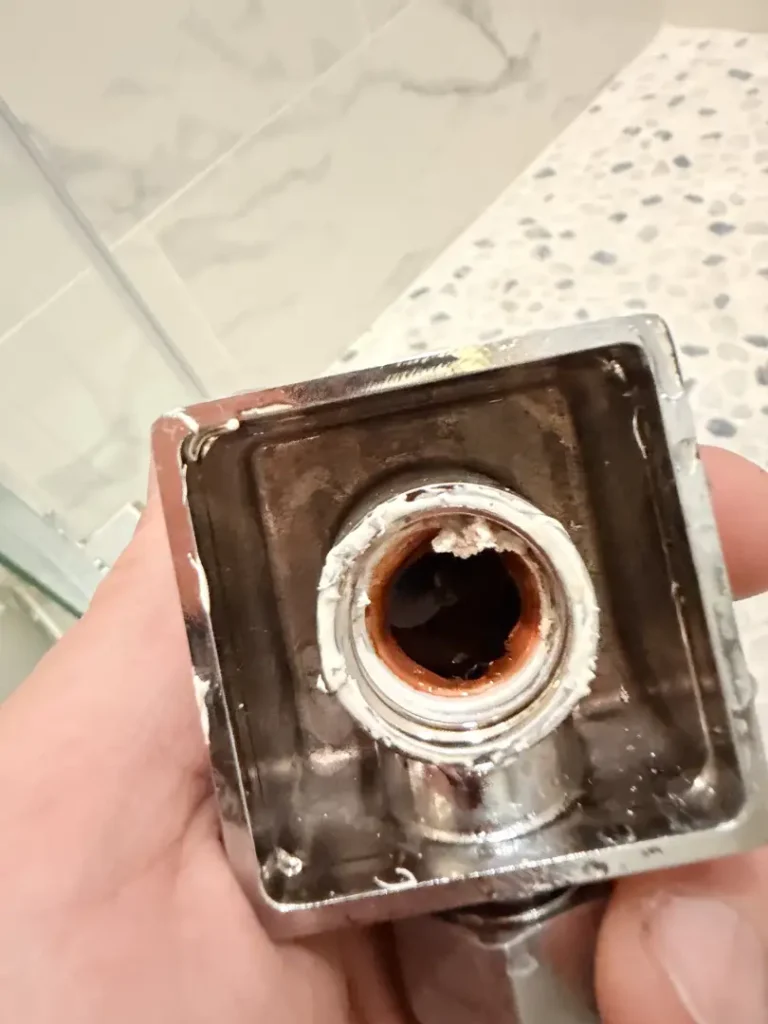
The most immediate place you’ll notice the difference is at the sink. If you live in Pittsburg, CA, and find yourself scrubbing a white, chalky film off your fixtures, you’re dealing with hard water. This mineral-heavy water reacts with soap to create “curds” or soap scum rather than a clean lather. This means you end up using more soap and detergent just to get things clean.
Soft water, on the other hand, allows detergents to work at peak efficiency. Your clothes will last longer because they aren’t being subjected to abrasive mineral fibers during every wash cycle. If you are looking for a Water Softener in Pittsburg, CA, you’ll likely notice that your towels stay fluffier and your whites stay brighter. Similarly, homeowners seeking a Water Softener in Discovery Bay, CA often report that their glassware finally comes out of the dishwasher without those annoying white spots.
What is the difference between hard water and soft water for your health and skin?
When it comes to your body, the minerals in hard water can be a bit of a nuisance. The same soap scum that sticks to your shower curtain also sticks to your skin and hair. This can clog pores and strip away natural oils, leading to dry, itchy skin and limp, brittle hair. For families in Oakley dealing with sensitive skin conditions, installing a Water Softener in Oakley, CA can be a game-changer. Research has even suggested a link between hard water and the prevalence of eczema in children, as the mineral residue disrupts the skin’s natural pH balance.
On the health side, drinking hard water is generally considered safe and can even provide a small dietary boost of calcium and magnesium. However, for those on a low-sodium diet, it’s important to note that most softening systems add a small amount of sodium to the water during the ion-exchange process.
Signs and Effects of Hard Water on Your Plumbing and Appliances
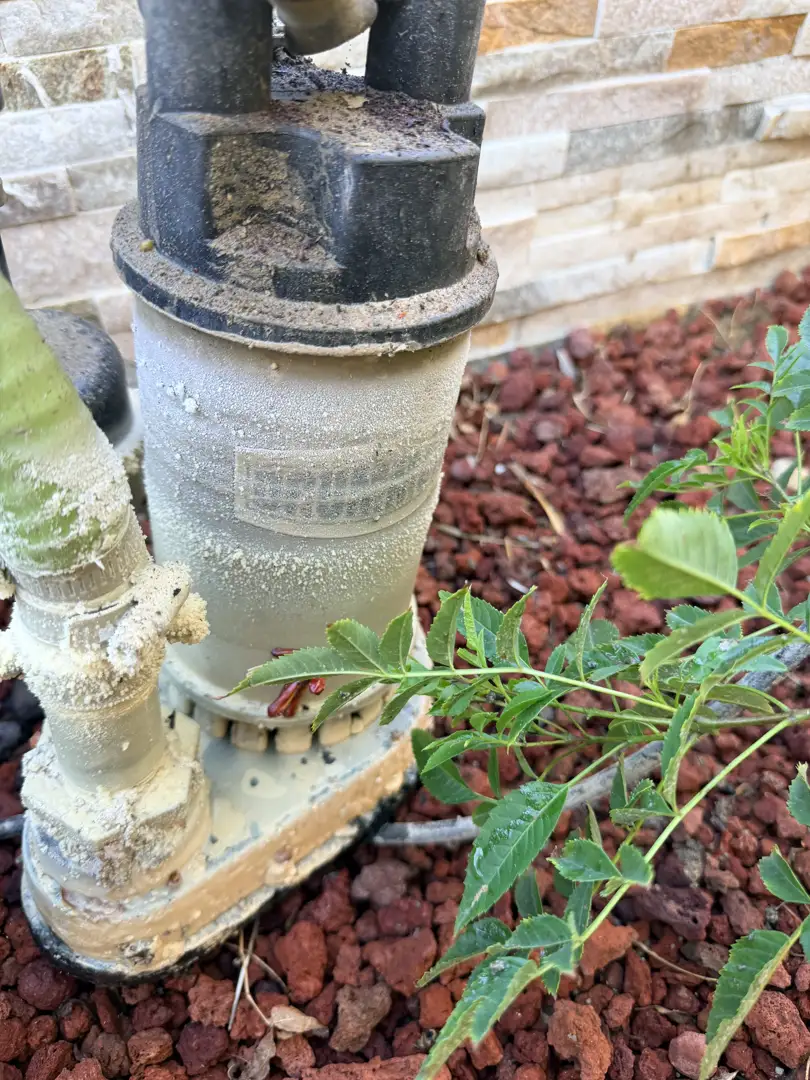
Hard water isn’t just a cosmetic issue; it’s a silent threat to your home’s “circulatory system.” The minerals in hard water precipitate out when heated, forming a rock-hard crust known as limescale.
- Water Heaters: This is where the most damage occurs. Limescale acts as an insulator, meaning your heater has to work much harder to heat the water through a layer of rock. This can lead to a 28% increase in energy consumption.
- Pipes: Over time, scale buildup can constrict the flow of water, much like a clogged artery, leading to reduced water pressure. This is particularly problematic in older homes in Byron that may still have galvanized steel pipes.
- Appliances: Dishwashers and washing machines suffer from internal component failure when minerals gum up the works.
Understanding the lifespan of your water softener and ensuring you have the right system for your home is vital. If you’re in the area, a Water Softener in Byron, CA can protect these expensive investments for years to come.
How Water Hardness is Measured and Classified
We don’t just guess if water is hard; we measure it! Hardness is typically measured in milligrams per liter (mg/L) or grains per gallon (GPG). One grain per gallon is equivalent to about 17.1 mg/L.
The USGS uses the following classification scale:
- Soft: 0–60 mg/L
- Moderately Hard: 61–120 mg/L
- Hard: 121–180 mg/L
- Very Hard: 181 mg/L and above
If your water tests at more than 7 GPG (about 120 mg/L), most experts—ourselves included—recommend a treatment system. Knowing how to size a water softener is crucial because a system that is too small won’t keep up with your family’s needs, while one that is too large wastes salt and water. For our neighbors out east, a Water Softener in Knightsen, CA can be calibrated specifically to the local groundwater levels.
Treating Your Home: How Water Softeners and Filtration Systems Work
So, how do we actually turn hard water into soft water? The most common method is through a process called ion exchange.
Inside a standard water softener, there are thousands of tiny resin beads. These beads are negatively charged and hold onto sodium or potassium ions. As hard water flows through the tank, the calcium and magnesium ions (which have a stronger positive charge) kick the sodium off the beads and stick to them instead. This effectively “traps” the minerals.
Eventually, the beads get full and need to “regenerate.” The system flushes them with a concentrated brine solution, which forces the calcium and magnesium off and replaces them with a fresh batch of sodium. If you’ve recently had one put in, you’ll need to know how to add salt to your water softener to keep this cycle going.
For those who want more than just mineral removal, we often recommend Water Filtration Systems. While a softener handles minerals, a Home Water Filtration System in Brentwood, CA can also remove chlorine, sediments, and other contaminants that affect taste and safety.
Environmental and Maintenance Considerations for 2026
As we move through 2026, we are more conscious than ever of our environmental footprint. One of the downsides of traditional salt-based softeners is the brine discharge. When the system regenerates, it flushes salt into the wastewater system. In some communities, this can contribute to chloride pollution in local waterways.
To mitigate this, we recommend:
- High-Efficiency Systems: Modern units use significantly less salt and water during regeneration.
- Potassium Chloride: Using potassium instead of sodium is friendlier for the environment and for people with high blood pressure.
- Proper Sizing: Ensuring your unit only regenerates when necessary.
If you’re wondering about installing water softeners, our Water Softener Installation Brentwood Guide provides a deep dive into the process. We also help homeowners in Concord determine if home water filtration is worth it for their specific needs. If you need a Water Softener in Concord, CA, we can help you choose a model that balances performance with environmental responsibility.
Frequently Asked Questions about Water Hardness
Is hard water safe to drink?
Yes, hard water is perfectly safe to drink. In fact, it can be a source of essential minerals like calcium and magnesium. Some people even prefer the taste of hard water over the “flat” or slightly salty taste of softened water. However, if you are prone to kidney stones, some studies suggest that the high calcium content in very hard water could be a factor, so it’s always best to consult with a professional.
How can I test my water at home?
A quick and dirty way to check is the “soap suds test.” Fill a clear bottle halfway with water, add a few drops of basic liquid soap, and shake. If it creates a mountain of bubbles and the water underneath is clear, you have soft water. If it creates very few bubbles and the water looks cloudy, you have hard water. For a more accurate reading, we provide professional laboratory analysis that details exactly what is in your water, showing the contribution of water filtration systems to your home’s health.
Does soft water damage plants?
It can. Because soft water contains sodium, it can lead to salt buildup in the soil, which prevents plants from absorbing water correctly. We usually recommend a “bypass” for your outdoor spigots so that you are watering your lawn and garden with untreated hard water, which plants actually quite like!
Conclusion
At Flow Pro Plumbing, we believe that everyone in Brentwood and the surrounding areas deserves high-quality water. Understanding what is the difference between hard water and soft water is the first step in deciding how to treat the water in your home. Whether you are tired of dry skin, worried about your water heater’s efficiency, or just want spot-free dishes, there is a solution that fits your lifestyle.
The benefits of a water softener go far beyond just “slippery” water; they include long-term savings on energy and appliance repairs. If you’re considering having a water softener installed, don’t settle for a one-size-fits-all big-box store unit.
For the best Water Softeners in Brentwood, CA, trust our team of local experts to test your water and install a system that will serve your family for years to come. Give us a call today, and let’s get your water exactly where it needs to be!