
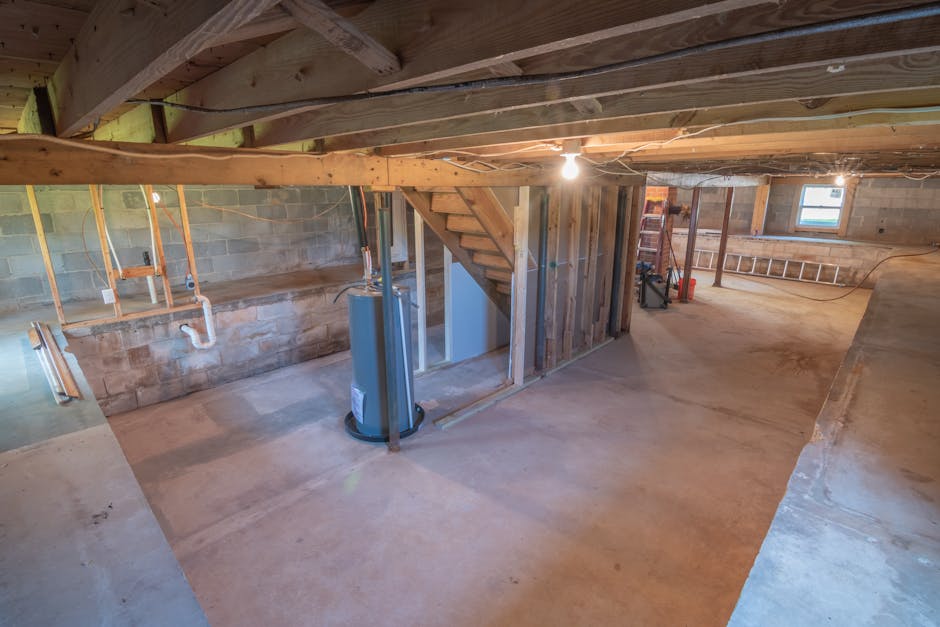
Is a Sump Pump in Your Basement Actually Worth It?
A sump pump basement system is one of the most effective ways to protect your home from flooding, groundwater damage, and mold — especially in areas where heavy rain or a high water table puts your foundation at risk. Here’s what you need to know at a glance:
- What it does: A sump pump sits in a pit at the lowest point of your basement and automatically pumps rising water out before it can cause damage.
- Why it matters: More than 60% of American homes experience below-ground moisture issues, and without a working sump pump, that moisture leads to mold, structural damage, and costly repairs.
- Key risk: One incorrectly installed pump can dump up to 7,200 gallons of clean water per day into the municipal sewer system — equal to an entire residential swimming pool.
- Bottom line: A properly installed and maintained sump pump is essential protection for any basement prone to water intrusion.
Whether you’ve just discovered standing water in your basement or you want to make sure your existing system is up to the job, this guide walks you through everything — from how these systems work to what keeps them reliable for years.
I’m Jesse Delgado, owner of Flow Pro Plumbing in Brentwood, California, and I’ve spent over a decade helping East Bay homeowners protect their homes with properly installed and maintained sump pump basement systems. Let’s make sure yours is doing its job when it matters most.
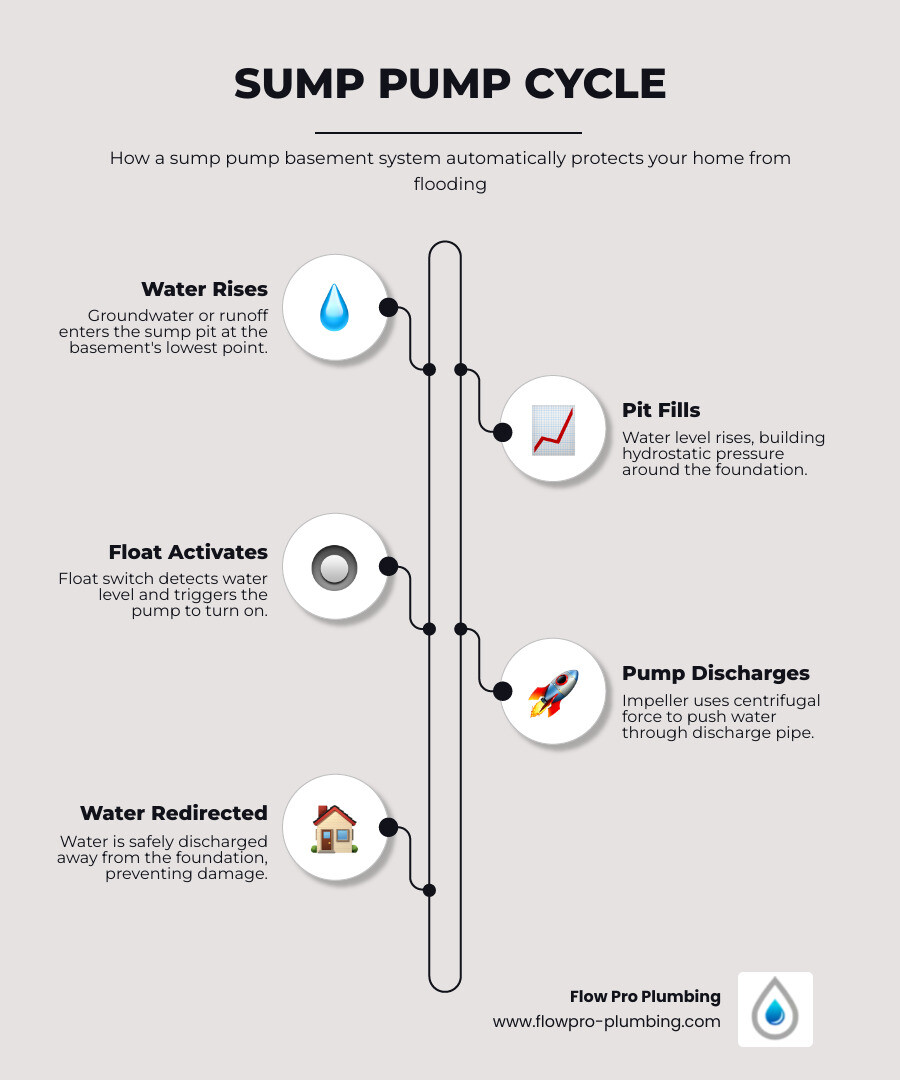
Understanding Your Sump Pump Basement System
At its core, a sump pump basement system is a simple but powerful mechanical guard. It acts as the heart of your home’s drainage, collecting water that gathers around your foundation and moving it to a safe distance. Without this system, that water has nowhere to go but through your concrete floor or walls.

How a Sump Pump Basement Protects Your Home
When it rains in areas like Antioch or Concord, the soil becomes saturated. This creates hydrostatic pressure—a fancy way of saying the water is pushing against your foundation with incredible force. Eventually, that water finds its way into the basement through tiny cracks or the seam where the wall meets the floor.
A sump pump basement setup relieves this pressure. By providing a “low point” (the sump pit), the water naturally flows there instead of pooling on your floor. This prevents:
- Groundwater Seepage: Keeping the area under your floor dry prevents “heaving” or cracking.
- Mold and Mildew: By controlling moisture, you stop the growth of fungi that can ruin air quality.
- Structural Integrity: Long-term water exposure weakens wood joists and concrete.
Selecting the Right Sump Pump Basement Model
Choosing the right pump isn’t just about grabbing the first one you see. You need to look at specifications like Horsepower (HP) and Gallons Per Minute (GPM).
- Horsepower: Most homes do well with a 1/3 HP or 1/2 HP pump. A 1/2 HP submersible pump can move up to 60 GPM, while a 1/3 HP model handles about 42 GPM.
- Flow Rate: This is how fast the pump can clear the pit. If your basement floods quickly during storms, a higher GPM is a must.
- Construction: We always recommend cast iron housing over plastic. Cast iron dissipates heat better, which extends the life of the motor.
When you install basement sump pump systems, you also have to account for “head pressure”—the vertical distance the pump has to push the water up to reach the exit pipe. The higher the climb, the more power you need.
Essential Components for Maximum Reliability
A reliable system is more than just the pump itself. It involves a series of components working in harmony to ensure that when the water rises, the pump actually turns on.
| Feature | Submersible Pump | Pedestal Pump |
|---|---|---|
| Location | Sits inside the water pit | Motor sits above the pit |
| Noise Level | Very quiet (muffled by water) | Louder (exposed motor) |
| Lifespan | Long (oil-cooled motors) | Moderate |
| Safety | Safer for finished basements | Can be a trip hazard |
The most common point of failure is the sump pump float switch. This is the “brain” of the pump that tells it when to start. If it gets tangled or stuck against the side of the basin, you’ll find your sump pump not working exactly when you need it most.
We also recommend dedicated electrical circuits. Sump pumps can pull a lot of “starting watts”—sometimes 1.5 times their running power. If they are on a shared circuit with a freezer or power tools, they might trip the breaker, leaving you unprotected.
The Critical Role of Battery Backup Systems
If a massive storm hits Pittsburg or Bay Point, what’s the first thing that usually happens? The power goes out. Since your primary pump runs on electricity, a power outage means your basement is defenseless.
This is why a battery backup sump pump is non-negotiable for many homeowners. These systems feature a second, smaller pump that runs on a deep-cycle battery. If the main pump fails or the power dies, the backup kicks in.
That these batteries don’t last forever. Regular sump pump battery replacement (usually every 3 to 5 years) ensures that your “plan B” is ready for a rainy day.
Professional Installation and Discharge Standards
Installation is where many DIY projects go wrong. A sump pump basement pit needs to be sized correctly to prevent the pump from “short-cycling”—turning on and off too rapidly, which burns out the motor.
Sizing the Pit
For most residential homes, the sump pit should be at least 24 inches deep and 18 inches wide. Using a small 5-gallon bucket as a pit is a recipe for disaster; it doesn’t hold enough water to allow the pump to run a full cycle, leading to frequent failures. We also ensure a solid gravel base is placed at the bottom to keep the pump out of the silt and debris.
Avoiding Common Discharge and Sewer Issues
Where the water goes is just as important as getting it out of the basement. In many of our service areas, like Brentwood and Oakley, it is illegal to discharge your sump pump into the sanitary sewer system. This “clear water” overloads treatment plants and can cause sewage backups into your neighbors’ homes.
The Golden Rules of Discharge:
- The 20-Foot Rule: Water should be discharged at least 20 feet away from your foundation to prevent it from simply soaking back down into your pit.
- Grading: Ensure the land slopes away from the house at the discharge point.
- Check Valves: Always install a check valve on the discharge line. This prevents water in the pipe from falling back into the pit once the pump turns off, which prevents unnecessary wear and tear.
Maintenance and Troubleshooting for a Dry Basement
Maintenance is the difference between a dry home and a disaster. We recommend an annual “full pump test.” This involves pouring enough water into the pit to trigger the float switch and watching the discharge to ensure it’s flowing freely.
If you find that my sump pump is not working and theres water in my basement i need an emergency plumber in discovery bay, don’t wait. Water damage starts in minutes.
Common fixes you can check:
- Debris Removal: Clean out any gravel, mud, or trash from the bottom of the basin.
- Air Lock Prevention: Ensure there is a tiny “vent hole” drilled in the discharge pipe inside the pit. This prevents air bubbles from getting trapped in the pump, which can stop it from moving water even if the motor is running.
- Check the Grate: Submersible pumps have a grate on the bottom that can get clogged with silt.
If you aren’t comfortable digging into the pit yourself, our team provides expert sump pump repair brentwood services to ensure every component—from the check valve to the alarm—is in top shape.
Frequently Asked Questions about Sump Pumps
How often should I test my backup system?
You should test your backup system two to five times a year. The easiest way to do this is to unplug your primary pump and pour water into the pit. If the backup pump kicks on and clears the water, you’re in good shape. Don’t forget to plug the primary pump back in afterward!
What is the average lifespan of a submersible pump?
The “ten-year rule” is a good benchmark. While some high-quality cast iron pumps can last longer, the mechanical seals and switches usually begin to wear down after a decade of service. If your pump is over 10 years old, it’s worth considering a replacement before the next big storm season.
Can I discharge water into my septic system?
No. You should never discharge sump water into a septic system. A single storm can send thousands of gallons into the tank, which will flood your leach field and lead to a total hydraulic failure of your septic system. This is a very expensive mistake to fix!
Conclusion
Protecting your sump pump basement system means protecting your biggest investment: your home. From the initial sizing of the pit to the installation of a reliable battery backup, every detail counts when it comes to keeping your basement dry and your foundation strong.
At Flow Pro Plumbing, we take pride in serving our neighbors in Brentwood, Oakley, Antioch, Discovery Bay, Pittsburg, and Concord. Our licensed plumbers are known for fast, clean, and courteous service, ensuring your home is ready for whatever the California weather throws our way.
Don’t wait for the next heavy rain to find out if your pump is up to the task. Schedule your sump pump service today for expert plumbing help. We’re here to give you peace of mind, one dry basement at a time.