

Why Quick Action Matters When Pipes Burst
A burst pipe repair requires immediate action. When a pipe bursts, water can flow at up to 3000 PSI, turning a plumbing issue into a home disaster in minutes and causing thousands in water damage.
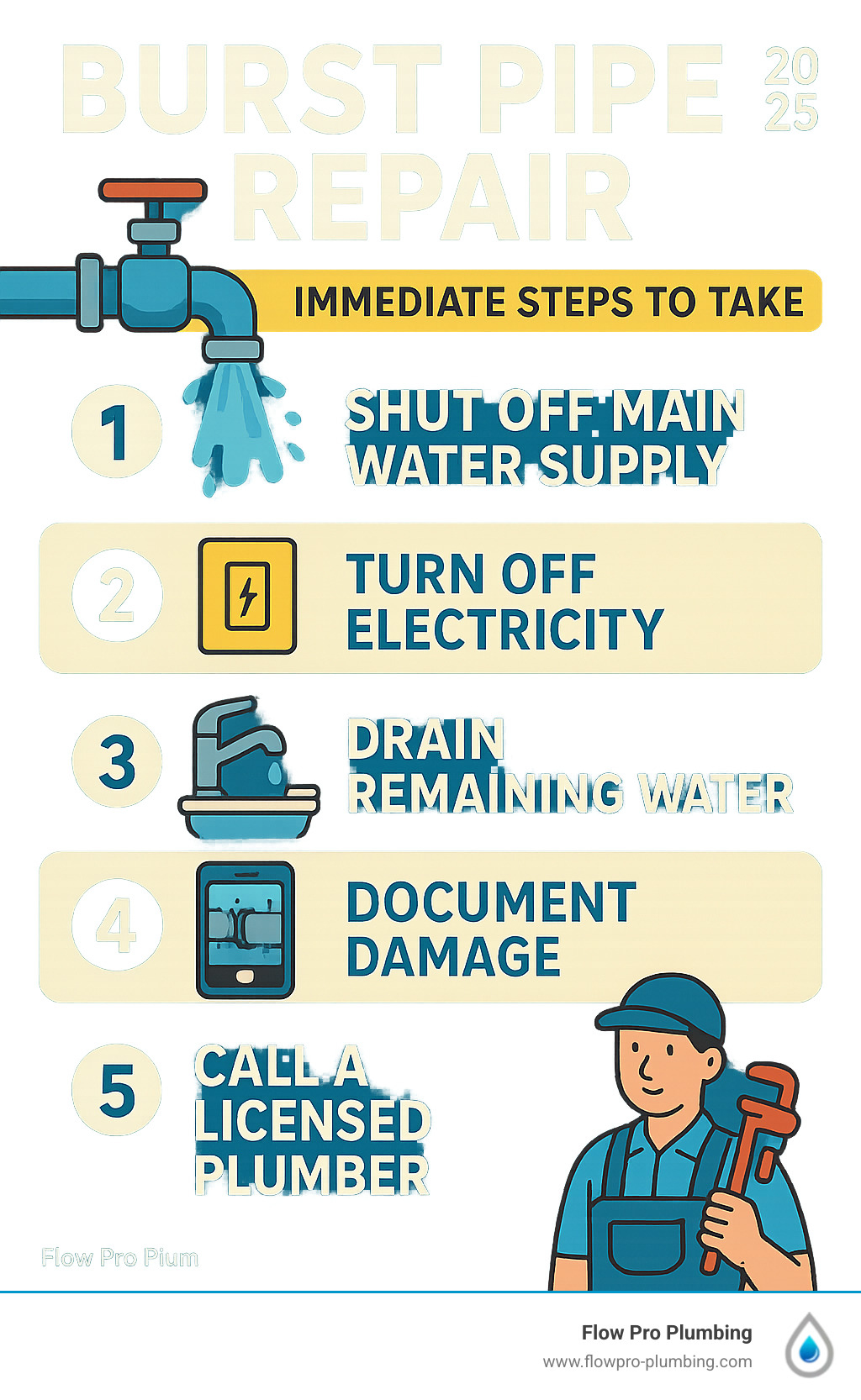
Immediate Steps for Burst Pipe Repair:
- Shut off the main water supply – Usually located near your water meter or where the main line enters your home
- Turn off electricity to affected areas if water has reached outlets or electrical systems
- Drain remaining water by opening faucets and flushing toilets
- Document damage with photos and videos for insurance claims
- Call a professional plumber for permanent repair
When to attempt DIY vs. call a professional:
- DIY: Small accessible pipes with minor damage and you have proper tools
- Professional: Hidden pipes, major flooding, electrical hazards, or lack of plumbing experience
Even a few minutes of flowing water can cause tens of thousands of dollars in damage, which may not be covered by insurance. A quick response is critical.
I’m Jesse Delgado, a licensed plumber with over 10 years of experience in burst pipe repair in the East Bay Area. At Flow Pro Plumbing, I’ve helped hundreds of homeowners steer these stressful situations and minimize damage with proper emergency response.
First Response: What to Do Immediately When a Pipe Bursts
When you hear the unmistakable sound of rushing water, you’re likely dealing with a burst pipe repair emergency. While overwhelming, taking the right steps immediately can save you thousands of dollars in damage. Water can flow at tremendous pressure, and a few minutes can turn a manageable problem into a major disaster.
Step 1: Shut Off the Main Water Supply
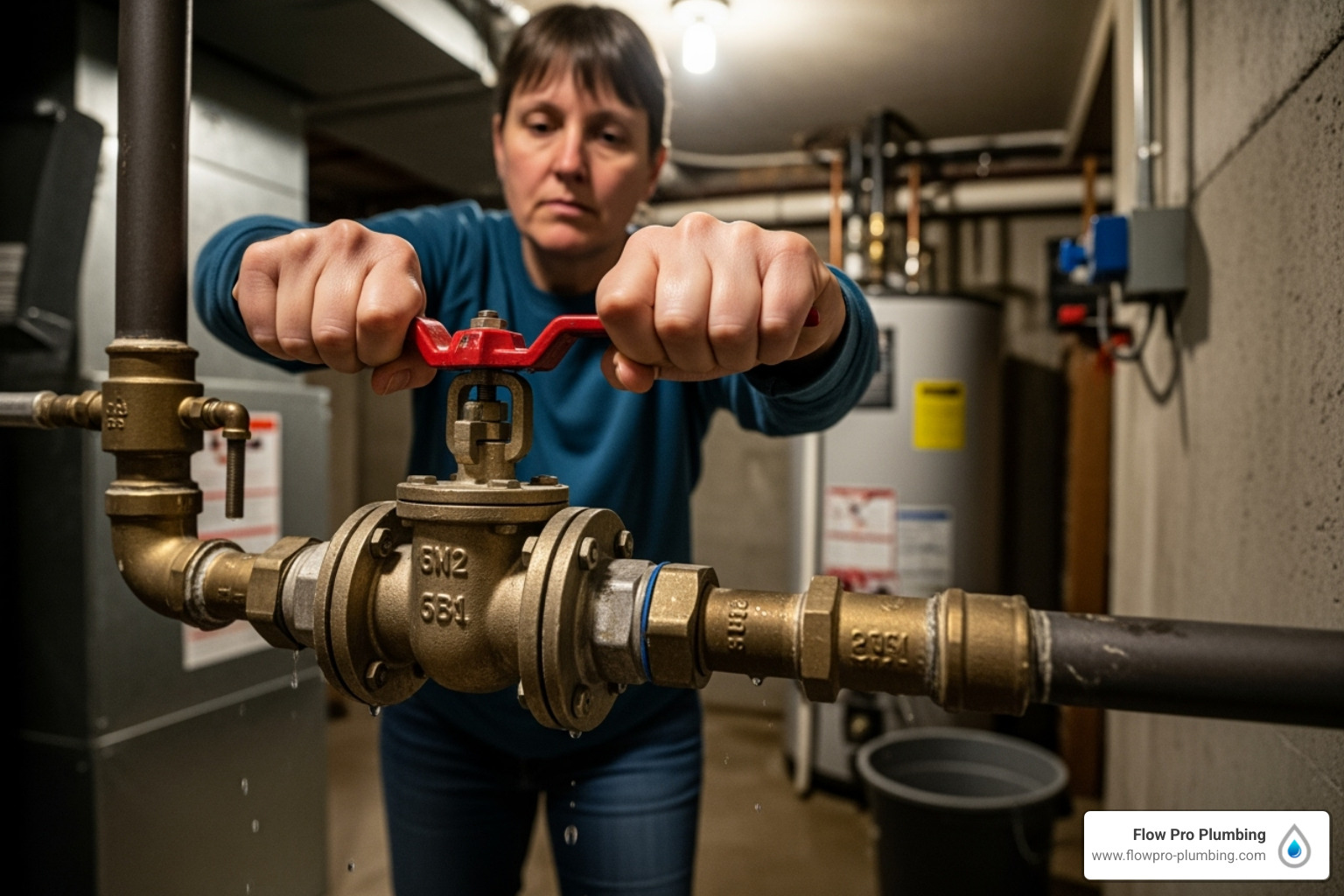
Your first mission is to stop the water flow. Locate your home’s main water shut-off valve, typically found near the water meter or where the main line enters your home (often in a basement, utility closet, or on an outside wall). Many homeowners don’t know its location until they desperately need it, so take a moment to find yours after reading this.
After turning the valve clockwise to shut off the water, drain the remaining water from your pipes. Open the lowest faucets in your home (like a basement sink or outdoor spigot) and flush all toilets. This releases the pressure in your plumbing system and prevents more water from escaping the burst section.
Step 2: Take Safety Precautions
Water and electricity are a dangerous combination. If water is near outlets, appliances, or your electrical panel, turn off the electricity to those areas immediately. When in doubt, shut off the main power to your home.
Watch out for slipping hazards on wet floors. Use towels and buckets to contain water and create safe walking paths.
Also, monitor your home’s structural integrity. Large amounts of water can weaken drywall and ceilings. If you notice any bulging or sagging, stay clear, as they could collapse without warning.
Step 3: Document the Damage
After stopping the water and addressing safety, it’s time to document the damage. Taking photos and videos is crucial for your insurance claim.
Capture video evidence of the burst pipe, all affected areas, and any damaged belongings. Take both close-up and wide-angle shots to show the full extent of the damage. Create a detailed list of all damaged items while the scene is fresh. This thorough documentation is your lifeline when preparing for insurance claims.
The good news is that burst pipes are often covered by homeowner’s insurance since they happen without warning. Clear evidence will make the claims process smoother and help you get the coverage you deserve.
For additional guidance on handling active leaks before they become full emergencies, check out our helpful guide on What to Do If a Pipe Is Leaking.
A Step-by-Step Guide to Burst Pipe Repair
Once the immediate emergency is handled, it’s time for the repair. While some homeowners can handle simple burst pipe repair jobs, many situations are trickier than they appear and are best left to professionals.
Assessing the Damage and Gathering Tools
First, assess the damage. Is it a small pinhole leak or a complete rupture? The size and type of damage determine the repair method.
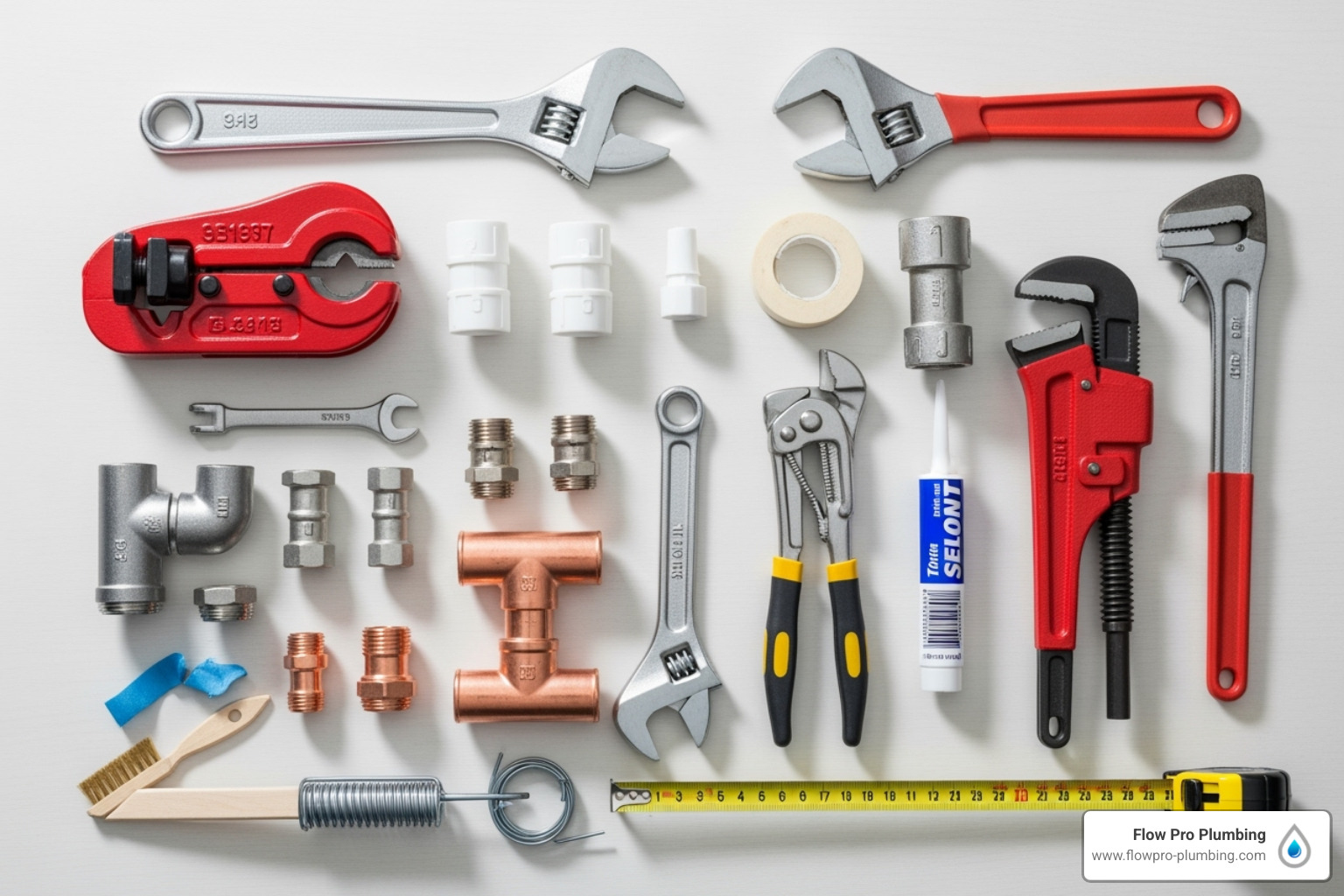
For a DIY burst pipe repair, you’ll need the right equipment. A quality pipe cutter is essential, like this Pipe Cutter. You’ll also need a deburring tool, measuring tape, and matching replacement pipe. Also gather steel wool or emery cloth, buckets and towels, and the correct fittings. For soldering, you’ll need flux, lead-free solder, and a propane torch.
The Repair Process: A Temporary Fix
A temporary fix can buy you valuable time until a permanent repair can be made. Pipe clamps with rubber patches work well for small holes or cracks. Wrap a piece of thick rubber around the damaged area and secure it tightly with pipe clamps. Epoxy putty is another option for tiny pinholes; mold it around the leak and let it harden to create a waterproof seal.
These are temporary solutions that won’t withstand long-term pressure. Plan for a permanent fix as soon as possible.
The Repair Process: A Permanent Fix
For a lasting burst pipe repair, you’ll need to replace the damaged section. The method depends on your pipe material.
Soldering copper pipes requires practice. Use your pipe cutter to remove the damaged section. Next, clean the pipe ends thoroughly with steel wool until they’re shiny. Apply flux to the cleaned surfaces, then fit your new pipe section and couplings. When soldering, heat the joint evenly with your propane torch. When the flux bubbles, touch the lead-free solder to the joint, and the heat will draw it in, creating a seal. Let it cool completely before testing.
Push-to-connect fittings like push-to-connect fittings are a more forgiving DIY option. After cutting the damaged section and cleaning the pipe ends, just push the pipes firmly into the fittings to create a seal—no torch required.
Once your repair is complete, slowly turn the main water supply back on and inspect your work for any leaks.
When to Call a Professional for Burst Pipe Repair
While DIY can save money, some situations require professional expertise. Hidden leaks behind walls or under floors require specialized detection equipment. Major flooding or extensive damage calls for professional assessment to address potential mold and structural concerns. If you lack the proper tools or experience, or have a complex plumbing system, calling a pro prevents bigger problems. Sewer line issues and any safety concerns involving electrical hazards or structural instability should always be handled by an Emergency Plumber.
The bottom line is this: burst pipe repair often requires specialized knowledge and equipment to be done properly. Our licensed plumbers at Flow Pro Plumbing have the skills and tools needed to restore water flow safely and permanently throughout Contra Costa County, including Brentwood, Oakley, Antioch, and surrounding communities.
From Reaction to Prevention: How to Stop Pipes from Bursting
The best way to handle a burst pipe is to prevent it. Understanding why pipes burst and taking proactive steps, especially as winter approaches, can save you significant expense and stress.
Why Do Pipes Burst?
Several factors contribute to pipes bursting. Understanding them is your first line of defense.
Freezing temperatures are the most common culprit. When water in a pipe freezes, it expands with incredible force—up to 3000 PSI—which can split or rupture rigid pipes like copper and CPVC.
High water pressure from sudden spikes or consistently high pressure can stress pipes beyond their limits, especially older ones.
Corrosion can weaken the walls of copper or galvanized steel pipes from the inside out, making them prone to bursting under normal pressure.
Old pipes degrade with age as materials become brittle and joints weaken. If your plumbing is over ten years old, it requires closer monitoring. For more on aging systems, see our guide on Plumbing Problems in Old Homes.
Severe clogs can create a pressure buildup behind the blockage, causing a weakened pipe to give way.
Physical damage includes accidentally hitting a pipe during renovations, crushing by tree roots, or stress from a shifting foundation.
For a deeper dive into prevention, our article on Common Pipe Leak Causes and How to Avoid Them offers more insights.
Winterization and Prevention Checklist
Prevention is cheaper than burst pipe repair. Here’s your checklist for when temperatures drop.
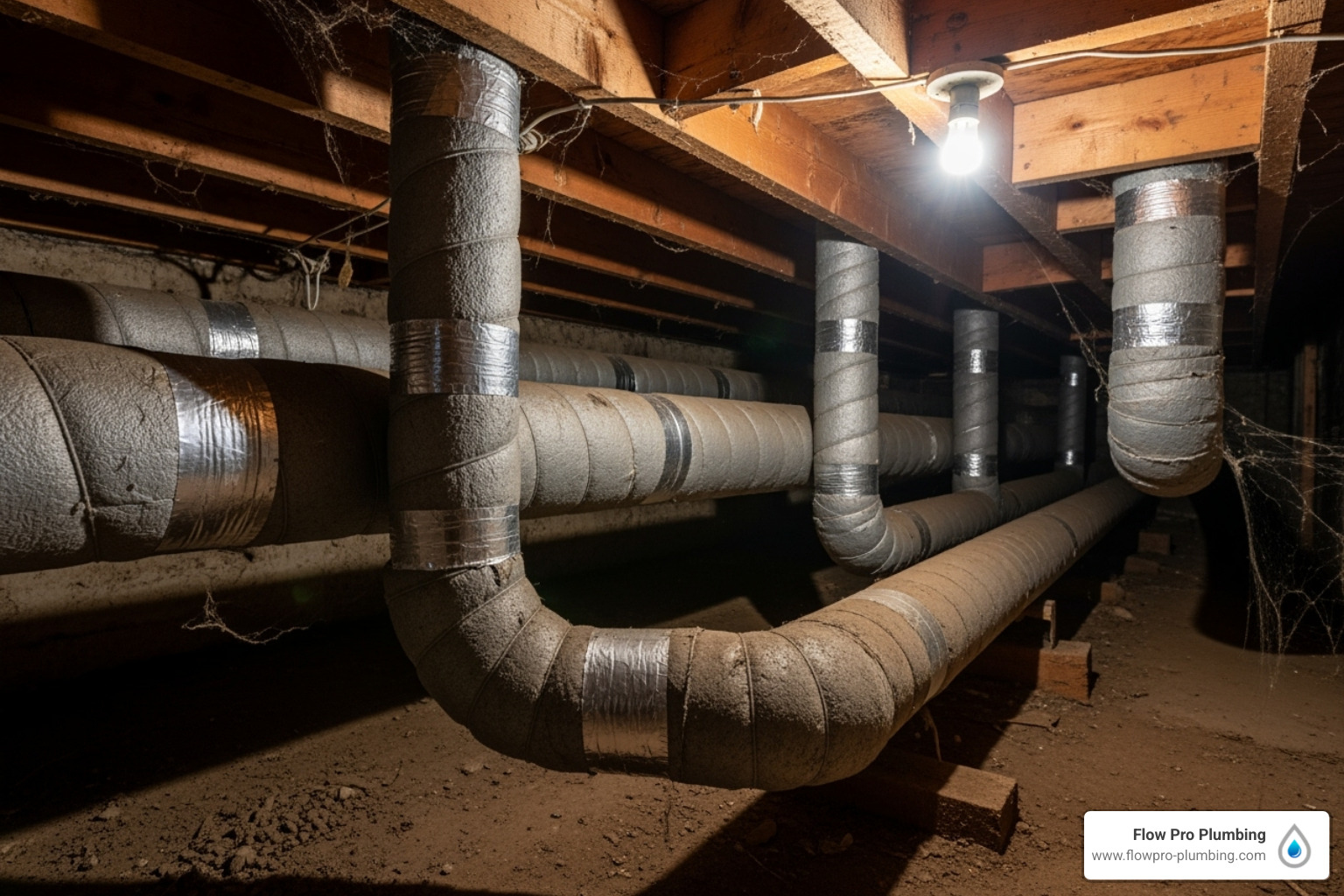
- Insulating exposed pipes in unheated areas (basements, crawl spaces, garages) with foam insulation is your best defense.
- Disconnecting outdoor hoses before winter is crucial. Drain outdoor spigots and turn off their interior shut-off valve if available to prevent water from freezing and backing up into pipes.
- Sealing air leaks with caulk where pipes enter the home prevents cold drafts from lowering pipe temperatures.
- Maintaining proper thermostat settings is essential. Keep your home’s thermostat at 55°F or higher, even when you’re away.
- Opening cabinet doors under sinks allows warm air to circulate around pipes during extreme cold.
- Letting faucets drip on exterior walls during extreme cold helps prevent freezing, as moving water is less likely to freeze.
- Draining and winterizing outdoor sprinkler systems is also necessary to prevent freezing and damage.
- Regular inspections help you catch small problems like wear or corrosion before they become big ones.
The Costs Associated with Burst Pipe Repair
The financial aftermath of a burst pipe goes far beyond the pipe itself.
Water damage restoration is often the biggest expense. Water seeps into walls, floors, and insulation, requiring professional drying and rebuilding that can cost thousands.
Mold remediation is necessary if water damage isn’t treated within 24-48 hours. Mold poses serious health risks and requires expensive, specialized removal.
Professional plumber fees, especially for emergency calls, add to the cost. The complexity and location of the burst pipe influence the final price.
Material costs for replacement pipes and fittings also add up.
The potential for astronomical bills is real. A few minutes of flowing water can cause tens of thousands of dollars in damage, much of which may not be covered by insurance, plus the cost of wasted water. A burst pipe disrupts your life and creates stress, making prevention essential for your finances and peace of mind.
Frequently Asked Questions about Burst Pipes
Dealing with a burst pipe repair can be overwhelming. Here are answers to common questions I’ve heard over my years as a plumber.
How can I tell if a pipe has burst behind a wall?
Hidden leaks have several tell-tale signs:
- Water stains or discoloration: Unexplained wet spots or yellow/brown stains on walls and ceilings are a red flag.
- Musty odors: A persistent damp smell indicates hidden moisture and potential mold growth.
- Bubbling or peeling paint and wallpaper: Moisture behind walls causes paint to bubble and wallpaper to detach.
- Warped walls or floors: Drywall may become soft, while wood floors and baseboards can buckle.
- Sound of running water: Hearing dripping or hissing when no fixtures are on is a strong indicator of a leak.
- Sudden drop in water pressure: This could mean water is escaping through a burst pipe.
- Unusually high water bill: A spike in your bill without a change in usage often points to a hidden leak.
If you notice these signs, call a professional. We use specialized equipment like infrared cameras to find the problem without unnecessary demolition.
How much does a professional burst pipe repair cost?
The cost of a burst pipe repair varies based on several key factors:
- The location of your pipe: Easily accessible pipes are less expensive to repair than those behind walls or under foundations.
- The extent of the damage: A small pinhole leak is a simpler fix than a major rupture requiring a large section of pipe to be replaced.
- The materials needed: Costs vary for copper, PEX, PVC, or galvanized steel pipes.
- Emergency service fees: After-hours, weekend, and holiday calls typically include additional fees.
- Additional repairs: Costs can escalate if the burst pipe caused secondary damage to drywall, flooring, or electrical systems.
We provide transparent estimates before starting work, so you know what to expect.
Can I claim a burst pipe on my home insurance?
Yes, you can typically claim a burst pipe on your homeowner’s insurance, but the details matter.
Burst pipes are generally considered “sudden and accidental” events, which are covered by most standard policies. However, insurance may not cover damage from long-term neglect.
Policy specifics matter. Review your policy for coverage limits, deductibles, and exclusions, such as damage from frozen pipes if you failed to take reasonable preventative steps.
Documentation is crucial for a successful claim. The photos and videos you take are invaluable evidence for the insurance company.
Keep detailed records of all communications, repair invoices, and lists of damaged items. Contact your insurance provider immediately to start the claims process.
Secure Your Home with Professional Plumbing
When a pipe bursts, it’s easy to feel overwhelmed. While a DIY burst pipe repair might seem possible, temporary fixes have limitations and could cost you more in the long run.
A pipe clamp or epoxy putty can stop an immediate leak, but these temporary patches can fail under constant pressure, causing more damage later.
Professional expertise makes all the difference. A licensed plumber diagnoses why the pipe burst—was it freezing, high pressure, or corrosion?—to prevent future issues and protect your home. At Flow Pro Plumbing, our experienced team assesses each situation to provide lasting solutions, not just a quick fix. We provide peace of mind.
When professional help is your best bet: If the burst pipe is hidden, there’s extensive flooding, or you lack the tools and experience, calling a professional is essential. For complex issues, professional pipe repair is the safest option.
Sometimes a burst pipe reveals bigger problems. If you’re dealing with multiple leaks or your pipes are showing their age, it might be time to consider home repiping to prevent future emergencies. And if you suspect the problem extends to your foundation – perhaps you’ve noticed soggy spots in your yard or unexplained increases in your water bill – don’t wait. Schedule service with our experts who specialize in slab leak detection and repair.
Your home deserves more than a band-aid solution. We serve Brentwood, Oakley, Antioch, Pittsburg, Concord, and surrounding areas in Contra Costa County with the kind of reliable, professional service that keeps your plumbing flowing smoothly for years to come. Because when it comes to protecting your home and your family’s comfort, you deserve nothing less than expert care.