
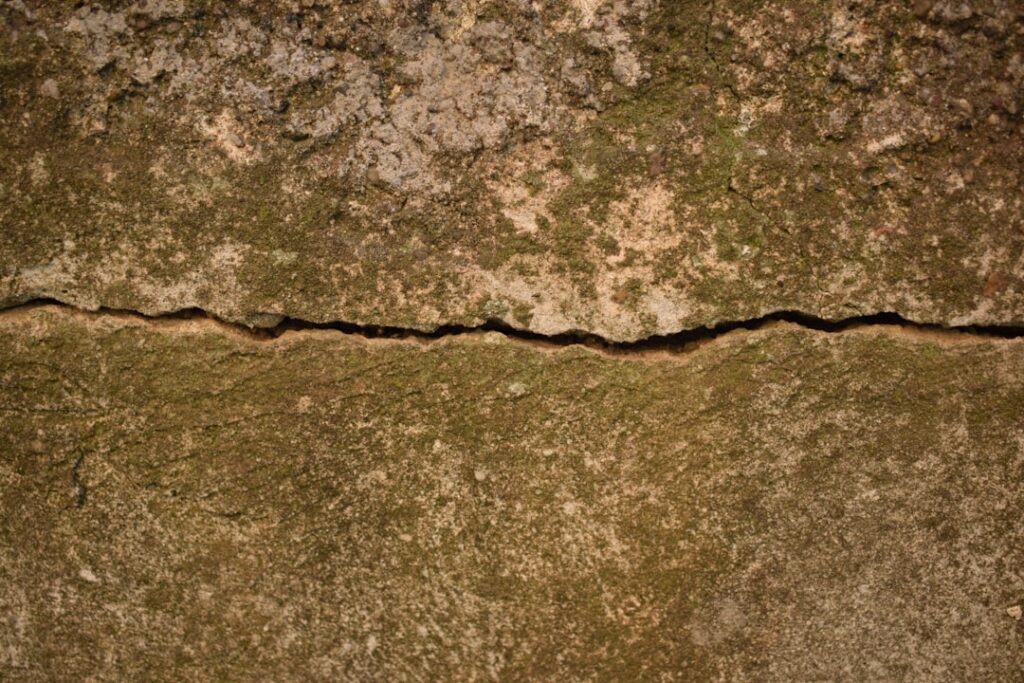
What Is a Slab Leak? The Hidden Threat Beneath Your Feet
What is a slab leak is one of the most important questions a homeowner can ask — and the answer could save you from serious, costly damage. Here is a quick breakdown:
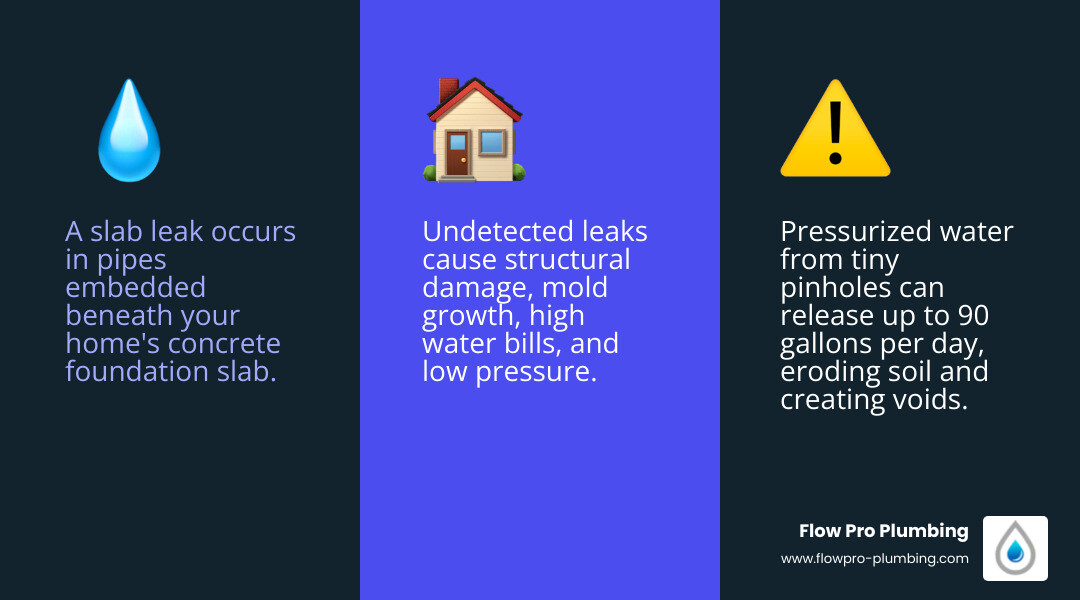
A slab leak is a water or sewer line leak that develops in the pipes running beneath your home’s concrete foundation slab. Because these pipes are buried under concrete, the leak is hidden from plain sight and can go unnoticed for weeks or even months.
Key facts at a glance:
- Location: Pipes embedded in or beneath the concrete foundation
- Pipe types affected: Supply lines (pressurized water) and sewer lines
- Most common materials: Copper and galvanized steel
- Why it’s hard to detect: Concrete hides the damage until signs appear above ground
- Common warning signs: Rising water bills, warm spots on floors, low water pressure, damp flooring, or the sound of running water when all fixtures are off
- Risk level: High — can cause structural damage, mold growth, and significant water waste
A hidden water leak beneath your home’s foundation is not just a plumbing inconvenience. According to the EPA, household leaks can waste nearly 10,000 gallons of water every year, and a continuous underground leak alone can dump up to 90 gallons per day into the soil beneath your home — silently eroding the very ground your house stands on.
I’m Jesse Delgado, owner of Flow Pro Plumbing in Brentwood, California, and with over a decade of licensed plumbing experience — including countless slab leak diagnoses right here in the East Bay — I’ve seen how quickly the damage compounds when homeowners aren’t sure what is a slab leak or what to do next. Let’s walk through everything you need to know so you can act fast and protect your home.
What is a Slab Leak?
To understand what is a slab leak, you first have to understand how your home was built. In many parts of California, particularly in the East Bay, homes are built on a “slab-on-grade” foundation. This means your house sits on a thick layer of concrete poured directly onto the ground. Before that concrete is poured, plumbers lay out the main water supply and sewer lines. Once the concrete hardens, those pipes are essentially entombed.
When we talk about how serious is a slab leak, we are referring to the fact that these leaks occur in the most inaccessible part of your plumbing system. Most slab leaks involve pressurized copper water lines. Because the water is under pressure, even a tiny pinhole leak will spray water continuously. Over time, this water saturates the soil, creates voids under the concrete, and can even push up through the slab itself. While less common, sewer line leaks can also occur under the slab; these are particularly nasty because they involve wastewater and can lead to significant health hazards and foul odors.

Common Causes of Foundation Pipe Failure
Pipes don’t just decide to spring a leak for no reason. In our service areas like Antioch and Walnut Creek, we see a few recurring “villains” that cause these underground failures.
Soil Shifting and Ground Movement
The soil in the East Bay can be quite temperamental. As the seasons change from wet winters to dry summers (it is currently April 2026, so we are just coming out of the rainy season), the earth expands and contracts. This movement puts immense pressure on the concrete slab and the pipes buried beneath it. If the ground shifts enough, it can actually snap a pipe or pull a joint apart.
Pipe Corrosion and Chemistry
If your home was built between the 1950s and the 1980s, you likely have copper or galvanized steel pipes. While copper is known for its longevity (often lasting 40 to 60 years), it isn’t invincible. “Pitting” corrosion can occur due to the pH levels of the soil or the chemistry of the water. When minerals in the water react with the metal, it creates tiny pinholes that eventually become major leaks.
High Water Pressure
Think of your pipes like a balloon. If you blow too much air into it, it’s going to pop. City water pressure can sometimes reach as high as 150 PSI, which is double the recommended safe range. This constant “over-inflation” wears down the pipe walls until they fail.
Thermal Expansion and Abrasion
Hot water pipes are especially prone to leaks. When you turn on the hot water, the pipe expands. When you turn it off, it contracts. If that pipe is rubbing against a piece of rebar or a jagged rock in the concrete, that repeated friction (abrasion) will eventually wear a hole right through the metal.
| Factor | Corrosion | Abrasion |
|---|---|---|
| Primary Cause | Chemical reaction between water/soil and metal | Physical friction from movement |
| Common Material | Copper and Galvanized Steel | Any material (especially hot water lines) |
| Visual Sign | Greenish buildup or “pitting” holes | Thin, worn-down spots on the exterior |
| Prevention | Water softeners and filtration | Proper insulation during installation |
Warning Signs: How to Spot a Hidden Leak
Because you can’t see through concrete, you have to use your other senses to identify what is a slab leak. Early detection is the difference between a simple pipe repair and a full-scale foundation restoration.
One of the most reliable ways to check for a leak is to look at your water meter. If you turn off every faucet, shower, and appliance in your home and that little red triangle on the meter is still spinning, you have a leak somewhere. Since you don’t see water spraying in the yard or under the sink, there is a high probability it is under the slab.
If you suspect something is wrong, we offer specialized slab leak repair in Knightsen to help pinpoint the issue before it gets worse.
Sensory cues for identifying what is a slab leak
Your feet are often the first to know something is wrong. If you are walking across your kitchen or bathroom and suddenly feel a “hot spot” on the tile or hardwood, that is a classic sign of a hot water slab leak. The heat from the leaking water is transferring through the concrete and your flooring.
You might also hear the sound of rushing water—like a toilet is constantly running—even when the house is silent. If you hear this “ghost water” coming from beneath the floor, don’t ignore it. This often leads to a drop in water pressure, making it harder to rinse shampoo or get a decent stream from the kitchen sprayer. If you’re noticing these signs, our team provides expert slab leak repair in Oakley to get your pressure back to normal.
Visual indicators of what is a slab leak
As the water continues to pool under your home, it will eventually look for a way out. This can manifest as damp spots on your carpet, warped hardwood, or even baseboards that feel soft and “mushy” to the touch. In extreme cases, you might see “heaving,” where the floor actually swells or cracks.
If you see new cracks appearing in your walls or baseboards, it’s a sign that the foundation is shifting due to the water eroding the soil underneath. Mold growth and a persistent musty odor are also major red flags. If you see water pooling around the exterior of your foundation during a dry spell, it’s time to call in the pros. We specialize in slab leak repair in Pittsburg to help homeowners stop the damage in its tracks.
Professional Detection and Repair Methods
At Flow Pro Plumbing, we don’t just start jackhammering your floor and hoping for the best. Modern technology allows us to find the exact location of a leak with surgical precision.
Professional Detection Tools
- Electronic Sonar/Acoustic Sensors: We use high-powered microphones to listen for the specific hiss of a pressurized leak through the concrete.
- Thermal Imaging: Infrared cameras allow us to “see” the heat signatures of hot water leaks through the floor.
- Video Inspection: For sewer line leaks, we run a camera through the pipes to find cracks or root intrusions.
If you are in the East Bay, our slab leak repair in Discovery Bay team utilizes these non-invasive tools to minimize the mess in your home.
Modern Repair Strategies
Once we find the leak, we have several ways to fix it. We always look for the least invasive option first.
- Pipe Rerouting: This is often the best long-term solution. Instead of digging up your floor, we bypass the leaking underground pipe entirely and run a new line through your walls or attic. This is a great option for residents seeking slab leak repair in Concord.
- Epoxy Lining: For some pipes, we can apply a specialized coating to the inside of the pipe, sealing the leak without any digging.
- Spot Repair: If the leak is in a reachable spot and the rest of the pipe is in good shape, we may perform a “direct access” repair by opening a small section of the slab.
- Tunneling: In some cases, we can tunnel under the home from the outside to reach the leak, preserving your indoor flooring.
Prevention and Homeowner Action Steps
While some factors like soil movement are out of your control, there are steps you can take to prevent a slab leak from ever starting.
- Monitor Your Water Pressure: Ensure your home has a working pressure regulator. We recommend keeping your pressure between 50 and 75 PSI. Anything over 80 PSI is a recipe for disaster.
- Install a Water Softener: Hard water in areas like Byron can lead to mineral buildup and corrosion. A softener protects the interior of your copper pipes.
- Maintain Your Landscape: Ensure that gutters and downspouts carry water away from your foundation. Keeping the soil moisture levels consistent around your home helps prevent the “expand-contract” cycle that snaps pipes.
- Manage Tree Roots: Keep large trees at least 10 feet away from your foundation to prevent roots from invading your sewer lines.
If you’re worried about your home’s plumbing health, we offer routine inspections and slab leak repair in Byron to keep your system in top shape.
Frequently Asked Questions about Slab Leaks
Does homeowners insurance cover slab leaks?
This is a tricky one. Generally, most insurance policies cover the “resultant damage” of a slab leak—meaning they will pay to tear out and replace your ruined carpet, hardwood, or drywall. They may even cover the cost of “access,” which is the labor required to break through the concrete to reach the pipe. However, they typically do not cover the cost of the actual pipe repair itself. Always document the damage with photos and contact your agent immediately.
How long can a slab leak go undetected?
A slab leak can hide for weeks, months, or even years if it is a very small “pinhole” leak. Over time, these small leaks can waste thousands of gallons of water. This is why we recommend checking your water meter at least once a month. If your bill jumps up and your habits haven’t changed, don’t wait—get a professional inspection.
Can a slab leak cause a sinkhole?
In extreme cases, yes. If a high-pressure leak is left unaddressed, it can wash away so much soil that it creates a large void under your home. This can lead to “sinkholes” or foundation collapse. While rare, the structural risks are real, which is why treating a slab leak as an emergency is always the right move.
Conclusion
A slab leak is a “silent foundation killer,” but it doesn’t have to be the end of your home’s structural integrity. By knowing what is a slab leak and keeping an eye out for the warning signs—like warm spots, high bills, and running water sounds—you can catch the problem before it becomes a catastrophe.
At Flow Pro Plumbing, we are proud to serve our neighbors in Brentwood, Oakley, Antioch, and throughout the East Bay. We understand that discovering a leak under your floor is stressful, but our experienced, friendly team is here to provide the unsurpassed workmanship you deserve. We treat your home like our own, using the latest detection technology to ensure the job is done right the first time.
Don’t let a hidden leak sink your home’s value. Contact Flow Pro Plumbing for expert slab leak repair today and let us give you the peace of mind you deserve.