

Why a Clogged Toilet Fix Matters More Than You Think
Few sounds cause instant anxiety like the undeniable bubble of a toilet flush that stops in its tracks. Clogged toilet fix solutions are essential knowledge for every homeowner – and the good news is that most clogs can be cleared with simple DIY methods.
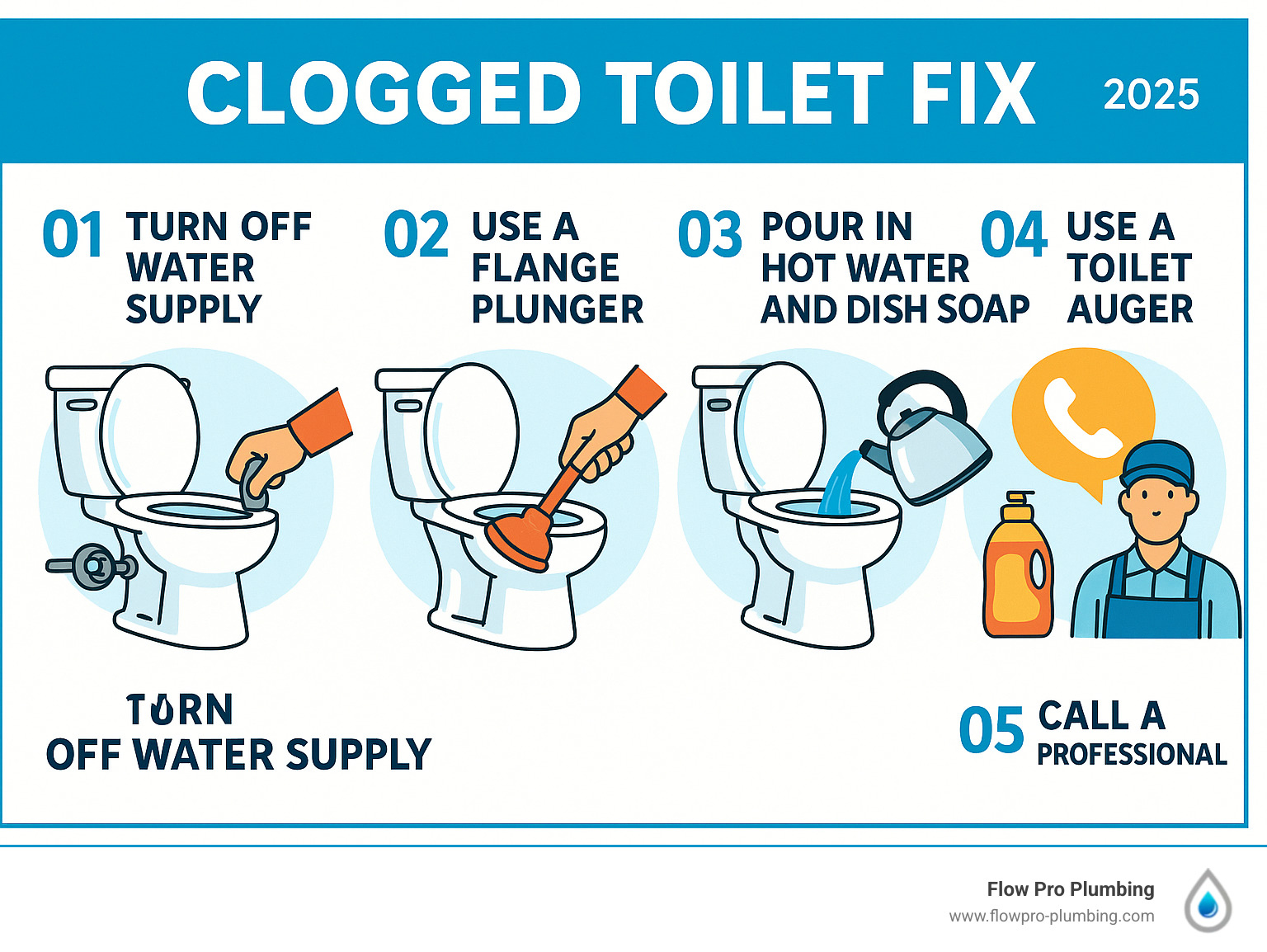
Quick Clogged Toilet Fix Solutions:
- Stop the overflow – Turn off water supply valve behind toilet
- Use a flange plunger – Create proper seal and plunge vigorously
- Try hot water and dish soap – Pour from waist height, let sit 15-20 minutes
- Use a toilet auger – For stubborn clogs the plunger can’t reach
- Call a professional – If multiple attempts fail or clogs keep returning
The average plumbing repair call for a clogged toilet can range from $100 to $300, but many clogs can be resolved with household items you already own. Most toilet clogs happen at the worst possible times – whether you’re at home, the office, or somewhere unfamiliar.
Understanding the right techniques can save you time, money, and embarrassment. From proper plunging methods to knowing when a situation requires professional help, the right approach makes all the difference.
As Jesse Delgado, owner of Flow Pro Plumbing with over ten years of plumbing experience, I’ve helped countless East Bay homeowners tackle emergency clogged toilet fix situations. My background includes both hands-on technical expertise and a commitment to educating customers so they can handle minor issues confidently before calling for professional help.
First Response: How to Stop a Toilet from Overflowing
Picture this: you flush the toilet, and instead of the satisfying whoosh of water disappearing, you hear an ominous gurgle as the water rises toward the rim. Don’t panic—knowing the right clogged toilet fix steps can save your day (and your bathroom floor).
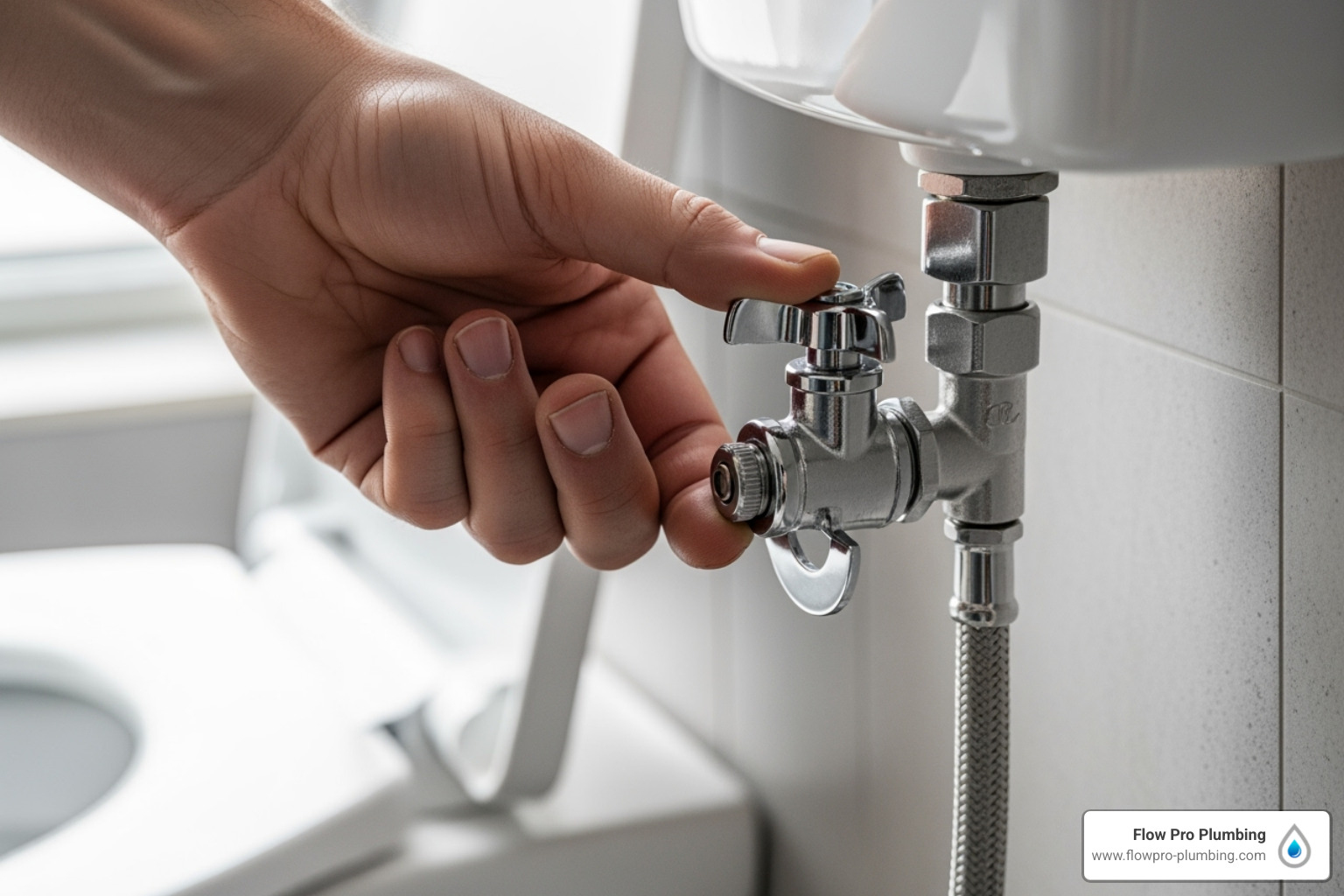
Recognizing the warning signs like gurgling sounds or slow drainage can prevent a messy disaster. Gurgling means air is escaping past a blockage, and a slow drain is a clear sign of trouble.
When you spot these signs, your first instinct might be to flush again. Don’t flush again! Adding more water will only make things worse.
Instead, quickly remove the tank lid. Reach inside and push down the rubber flapper at the bottom to stop more water from entering the bowl. Getting your hand wet is a small price to pay to prevent an overflow.
For the ultimate water stoppage, locate the shut-off valve behind your toilet, usually connected to the wall by a flexible hose. Turn this valve clockwise until it stops to cut off the water supply.
Now that the crisis is contained, prepare your workspace. Lay old towels around the toilet base to catch splashes and put on a pair of rubber gloves to keep things sanitary.
These immediate steps transform a potential plumbing disaster into a manageable DIY project. For deeper insights into what might be causing your toilet troubles, check out our comprehensive guide on common toilet problems.
Your Step-by-Step Clogged Toilet Fix: From Plunger to Auger
With an overflow averted, it’s time to tackle the clog. This section covers the most effective DIY methods, from simple tools to more advanced techniques for a successful clogged toilet fix.
The Essential Clogged Toilet Fix: Using a Plunger Correctly
A plunger is your first line of defense. Used correctly, it creates a vacuum to dislodge most blockages. But choosing the right type and using the proper technique is key.
- Choosing the Right Plunger: Forget classic cup plungers; they’re for sinks. For toilets, you need a flange plunger. Its extended rubber flap creates a much better seal in the toilet’s drain opening.
- Proper Technique:
- Ensure Enough Water: The plunger head must be fully submerged in water to work. If needed, add water to the bowl from a bucket.
- Create a Seal: Place the plunger over the drain hole, pressing down firmly to create a tight seal.
- Vigorous Plunging Motion: Plunge vigorously up and down 7-10 times. The goal is to create pressure, not just splash water.
- Check and Repeat: Pull the plunger up to break the seal. If the water drains, the clog is likely gone. Flush cautiously. If not, repeat the process.
Mastering the plunger can save you a service call. For more details, see our guide on how to unclog a toilet.
Natural & Homemade Remedies for Minor Clogs
For minor clogs, or if you don’t have a plunger, some household items can work as a great alternative to harsh chemicals.
-
Hot Water and Dish Soap Method:
- Pour about half a cup of liquid dish soap into the toilet bowl to act as a lubricant.
- Carefully pour about a gallon of hot (but never boiling!) water from waist height into the bowl.
- Let the mixture sit for at least 20 minutes to soften and lubricate the clog.
- Try flushing. The clog should pass through more easily.
-
Baking Soda and Vinegar Reaction: The fizzing action can break up organic clogs.
- Pour one cup of baking soda into the bowl.
- Follow with two cups of white vinegar.
- Let the fizzing mixture sit for at least an hour.
- Flush with hot (not boiling) water.
These methods can often save you a service call. Remember the golden rule: never use boiling water, as it can crack the porcelain.
Advanced Clogged Toilet Fix: When to Use a Toilet Auger
For stubborn or deep clogs a plunger can’t reach, a toilet auger (or closet auger) is the next tool to try. It’s designed to clear obstructions without scratching the porcelain.
-
Benefits of an Auger:
- Reaches Deeper Clogs: A flexible cable reaches far into the drainpipe.
- Retrieves Foreign Objects: The tip can hook onto items like toys, allowing you to pull them out.
- Breaks Up Obstructions: It can break apart stubborn clogs, making them easier to flush.
-
How to Use a Toilet Auger:
- Protect the Bowl: Carefully insert the auger’s end into the drain opening.
- Feed and Crank: Feed the cable until you feel resistance (the clog). Start cranking the handle clockwise.
- Break Up or Retrieve: The cranking motion will either break up the clog or snag it. If you feel it snag, gently pull the auger back to retrieve the object.
- Retract Carefully: Slowly retract the auger while continuing to crank.
- Flush and Clean: Flush to ensure the clog is gone, and clean your auger after use.
A toilet auger is a highly effective and affordable clogged toilet fix for severe blockages, often saving you a call to the plumber. For more tips, see our advice on solutions for severely clogged toilets.
Prevention is the Best Medicine: How to Avoid Future Clogs
The best clogged toilet fix is preventing the clog in the first place. Most toilet clogs are completely preventable with a few simple habits and an understanding of what your toilet is designed to handle.
Your toilet has one job: to flush away human waste and toilet paper. That’s it. Anything else can cause trouble.
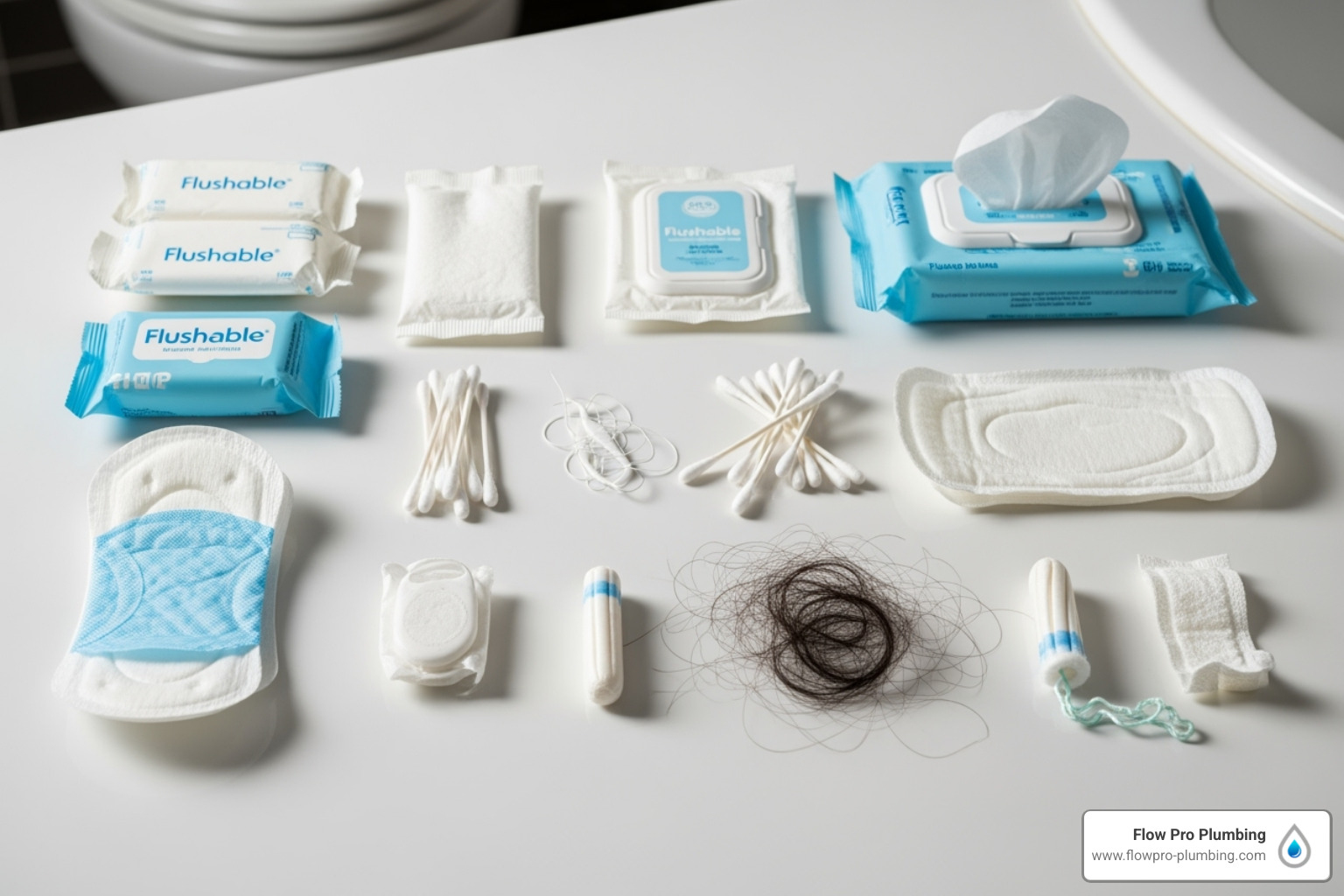
The biggest troublemakers I see are items that don’t break down in water. To avoid clogs, never flush the following:
- “Flushable” wipes: Despite the name, they do not dissolve like toilet paper.
- Paper towels and tissues: They are designed to be absorbent and strong, not to break down in pipes.
- Feminine products: These expand in water and cause instant blockages.
- Dental floss: It acts like a net, catching other debris and creating tough clogs.
- Cotton balls, swabs, hair, and toys: These items belong in the trash, not the toilet.
Even with toilet paper, moderation is key. Using too much in one flush can overwhelm any toilet. Encourage a second flush if needed rather than stuffing the bowl.
Regular maintenance also makes a huge difference. Keep the small rim jets under your toilet’s rim clean with a brush to maintain strong flushing power.
If your toilet is over 15 years old, consider an upgrade. Modern toilets have wider trapways and stronger, more efficient flushing systems that resist clogs. High-efficiency models, like those certified by the EPA WaterSense program, use less water while providing a powerful flush, saving you money and preventing headaches.
The bottom line? Keep a small trash can next to your toilet for everything that isn’t human waste or toilet paper. Your future self will thank you.
For more detailed prevention strategies, check out our comprehensive guide on how to prevent common toilet clogs. Trust me, an ounce of prevention really is worth a pound of plunging!
When DIY Fails: Knowing When to Call a Professional Plumber
While we empower you to handle many clogged toilet fix situations yourself, there are times when it’s absolutely necessary to call in the professionals. Knowing when to wave the white flag can save you from further frustration, potential damage, and even higher repair costs down the line.
Here are the signs that indicate a bigger problem, warranting a professional plumber:
- Recurring Clogs: If your toilet clogs frequently, even after successful DIY attempts, it’s a strong indicator of an underlying issue deeper in your plumbing system.
- Multiple Drains Affected: If your toilet, shower, and sink are all draining slowly or backing up simultaneously, it suggests a blockage in your main sewer line, not just a localized toilet clog. This is a serious issue that requires immediate professional attention.
- Foul Odors: Persistent foul odors emanating from your drains can signal a severe blockage or sewer line issue.
- Suspected Main Sewer Line Clog: Tree roots invading sewer lines, collapsed pipes, or significant accumulation of grease and debris can cause main line clogs. These are beyond DIY capabilities and require specialized equipment like professional-grade augers or hydro-jetting.
- Visible Damage or Leaks: If you notice water leaking from the base of your toilet or any other plumbing component, it’s time to call us. (You can also find out more about why your toilet might be leaking at the base).
- Unusual Sounds: Beyond gurgling, listen for bubbling or sucking sounds from other drains when you flush the toilet, indicating a shared drain issue.
- Gas Smell: If you ever smell gas near your toilet or any plumbing fixture, open windows immediately and call a plumber. This could indicate a serious sewer gas leak.
The Dangers of Chemical Drain Cleaners
While readily available, we strongly advise caution when considering chemical drain cleaners for toilets. While they promise a quick fix, they often come with significant downsides:
- Pipe Damage: Chemical drain cleaners use strong acids or bases that can corrode and damage your pipes over time, especially older PVC or metal pipes. This can lead to costly leaks and premature pipe replacement.
- Ineffectiveness in Toilets: Toilets have a specific trap design. Chemical cleaners often sit in the toilet bowl or trap without reaching the actual clog effectively, becoming diluted and less potent.
- Safety Hazards: These chemicals are highly corrosive and can cause severe burns to skin and eyes. Mixing different chemical cleaners can also create toxic fumes.
- Environmental Impact: The harsh chemicals can be damaging to the environment once they enter the wastewater system.
- Worsening the Clog: If a chemical cleaner doesn’t dissolve the clog, it can turn the blockage into a dangerous, chemical-laden mess, making it hazardous for a plumber to clear.
Instead, we recommend sticking to the mechanical methods (plunger, auger) or natural remedies (baking soda, vinegar, dish soap) for DIY clogged toilet fix scenarios.
Professional Tools and Expertise
When DIY methods fail, our professional plumbers come equipped with the right tools and expertise. We can accurately diagnose the problem, whether it’s a simple stubborn clog or a complex sewer line issue. Our tools, like powerful drain snakes, hydro-jetting equipment, and sewer cameras, allow us to clear even the most challenging blockages safely and efficiently.
The average cost of a plumbing repair call for a clogged toilet can range from $100 to $300, with some more complex issues costing upwards of $500. While this is an investment, it’s often far less than the cost of water damage, ruined flooring, or extensive pipe repairs that can result from neglecting a persistent clog or attempting a risky DIY fix. The peace of mind and assurance that the job is done right the first time is invaluable.

Understanding when to call a plumber is a key part of responsible homeownership. For comprehensive advice on all aspects of toilet maintenance and repair, including when to seek professional help, check out our toilet installation and repair advice.
Frequently Asked Questions about Fixing a Clogged Toilet
When you’re dealing with a clogged toilet, questions come up fast. Here are the most common ones I hear, with straightforward answers to help you with your clogged toilet fix.
What are the most common causes of a clogged toilet?
The most common causes are flushing too much toilet paper at once or flushing items that don’t dissolve in water. These include so-called “flushable” wipes, paper towels, feminine products, and dental floss. Occasionally, an old or weak-flushing toilet or a main sewer line issue can be the culprit.
Are chemical drain cleaners a safe option for toilets?
No, we strongly advise against using chemical drain cleaners in toilets. They are often ineffective because they get diluted in the bowl, can damage your pipes over time, and pose a safety hazard. If the chemical fails to clear the clog, it leaves a toxic mess that is dangerous for you or a plumber to deal with. Stick to mechanical methods like a plunger or auger.
Can a toilet clog fix itself over time?
It’s highly unlikely. While a very minor clog of just toilet paper might dissolve over many hours, anything else (wipes, foreign objects) will not. Waiting usually allows the clog to worsen as more debris gets caught. It’s always best to address a clog promptly instead of hoping it goes away on its own.
Conclusion: Keep Your Plumbing Flowing Smoothly
Conquering a clogged toilet fix on your own is empowering. You can turn a moment of panic into a feeling of confidence by successfully restoring your toilet to working order.
We’ve covered the essential steps: stop the overflow to prevent a disaster, try simple fixes like a flange plunger or dish soap, and use a toilet auger for tougher jobs.
But perhaps the most valuable lesson here is prevention. Prevent future clogs by treating your toilet with respect – only human waste and toilet paper belong down there. Your toilet isn’t a garbage disposal, and your future self will thank you for remembering that.
Mastering these techniques gives you the confidence to handle minor issues. No more waiting for a plumber for simple clogs or feeling helpless during a late-night emergency.
Of course, some battles are worth surrendering. When you’re facing recurring clogs, multiple drains backing up, or that unmistakable smell of sewer gas, it’s time to call in the professionals. These situations often signal deeper issues in your plumbing system that require specialized equipment and expertise.
For stubborn clogs or recurring issues in the Brentwood area, trust the experts at Flow Pro Plumbing. We’ve seen it all, from toys flushed by curious toddlers to main sewer line blockages that affect entire households. Our experienced team brings the right tools and knowledge to solve problems efficiently, saving you time and preventing costly water damage.
A well-maintained plumbing system is one of those invisible conveniences that makes daily life run smoothly. With the skills you’ve learned here and professional backup when you need it, you’re prepared for whatever your toilet throws at you.
