

Why Natural Drain Cleaning Methods That Work Beat the Chemical Aisle Every Time
Natural drain cleaning methods that work include a handful of simple, pantry-friendly approaches that most homeowners can use right now:
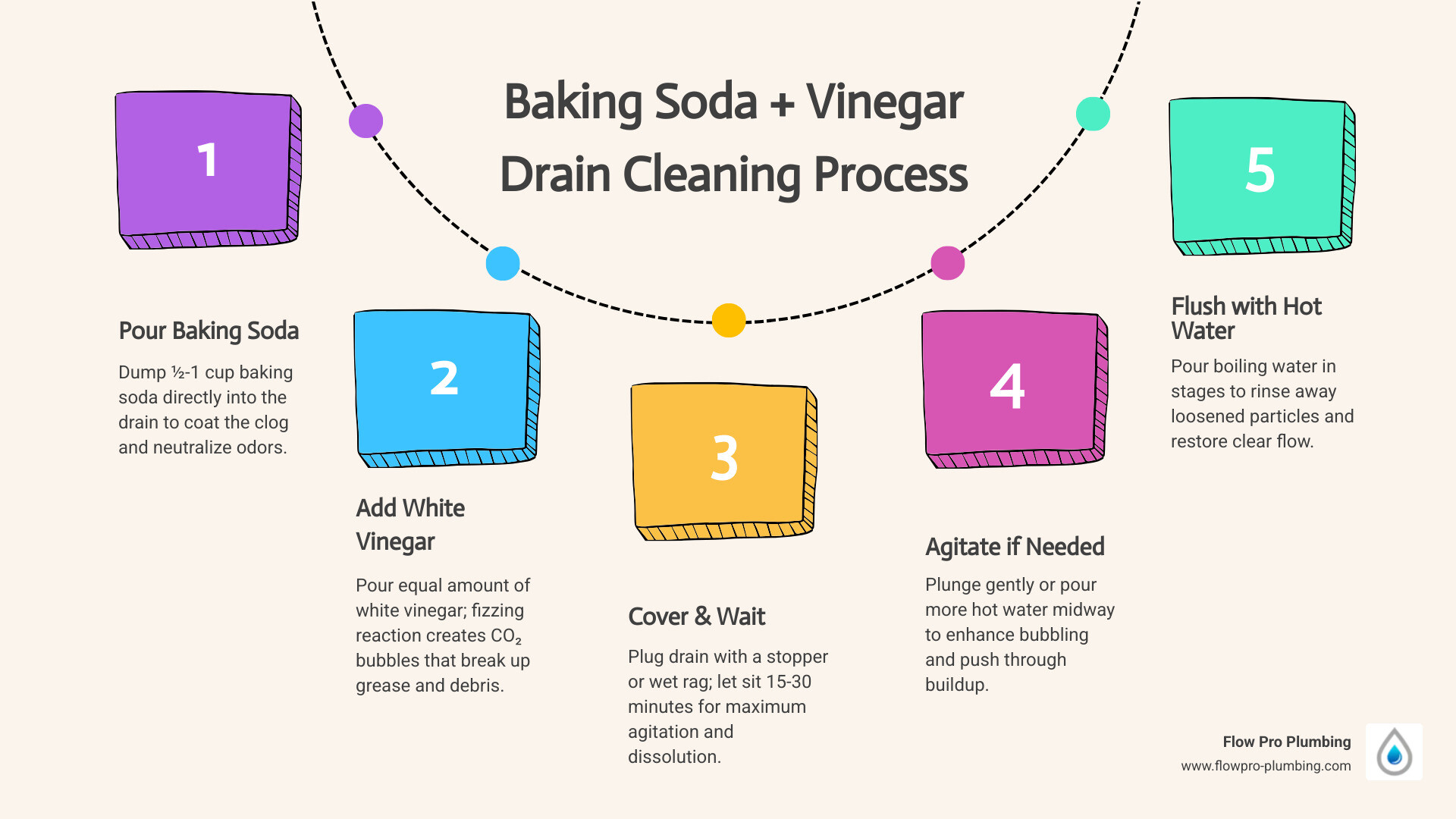
- Baking soda and vinegar – Pour 1/2 to 1 cup of baking soda followed by an equal amount of white vinegar, cover the drain for 15-30 minutes, then flush with hot water
- Dish soap and boiling water – Squirt grease-fighting dish soap down the drain, follow with boiling water poured in stages; best for grease and FOG clogs
- Salt and baking soda – Combine 1/2 cup of each, let sit overnight, then flush with boiling water; ideal for stubborn kitchen grease
- Borax, vinegar, and salt – Mix 1/4 cup borax, 1/2 cup vinegar, and 1/4 cup salt for tougher buildup
- Enzyme-based cleaners – Use monthly for organic matter like hair and soap scum, especially in homes with septic systems
- Mechanical removal – Use a plunger, wire coat hanger, or drain snake to physically pull out hair and debris before applying any liquid treatment
Picture this: you turn on the kitchen faucet to rinse a few dishes and the water just… sits there. It rises slowly, swirling around leftover food scraps and greasy residue, going nowhere fast. It is one of those small household problems that feels bigger the longer you ignore it. The instinct for many homeowners is to reach under the sink for a bottle of commercial drain cleaner — something strong, something fast. But those products often contain sodium hydroxide or sulfuric acid, and while they may clear the clog today, they can quietly corrode your pipes and release toxic fumes in the process.
The good news? Your kitchen pantry is already stocked with ingredients that can handle the most common drain problems — from grease and food buildup in kitchen sinks to hair and soap scum in bathroom drains — without putting your pipes or your family’s health at risk. Whether you are dealing with a slow drain right now or simply want to stay ahead of future clogs, this guide walks you through exactly what works and why.
I’m Jesse Delgado, owner of Flow Pro Plumbing in Brentwood, California, and after more than a decade of licensed plumbing work across the East Bay, I have seen what happens to pipes when homeowners rely too heavily on harsh chemicals instead of understanding natural drain cleaning methods that work. This guide reflects what I share with our own customers every day.
Why Drains Clog and the Risks of Chemical Cleaners
To effectively use natural drain cleaning methods that work, we first have to understand what we are fighting against. Most clogs don’t happen overnight; they are the result of weeks or months of “micro-buildup.” In the kitchen, the primary culprits are FOG—fats, oils, and grease. Even if you don’t pour bacon grease directly down the sink, the small amounts left on plates can solidify inside your pipes.
In the bathroom, the enemy is usually a combination of hair and soap scum. Soap scum is a hard, filmy residue that forms when the fatty acids in soap react with the minerals in our water. This film acts like glue, catching stray hairs and skin cells until the pipe is almost completely blocked. Over time, these materials settle in the P-trap—the U-shaped pipe under your sink—creating a stubborn barrier.
While it’s tempting to grab a “max-strength” liquid cleaner, Regular Drain Cleaning using non-toxic methods is a much safer long-term strategy for your home’s infrastructure.
The Hidden Dangers of Synthetic Cleaners
Most store-bought cleaners rely on caustic chemicals like sodium hydroxide (lye) or sulfuric acid. These substances work by generating intense heat to melt through grease and hair. However, that heat is a double-edged sword.
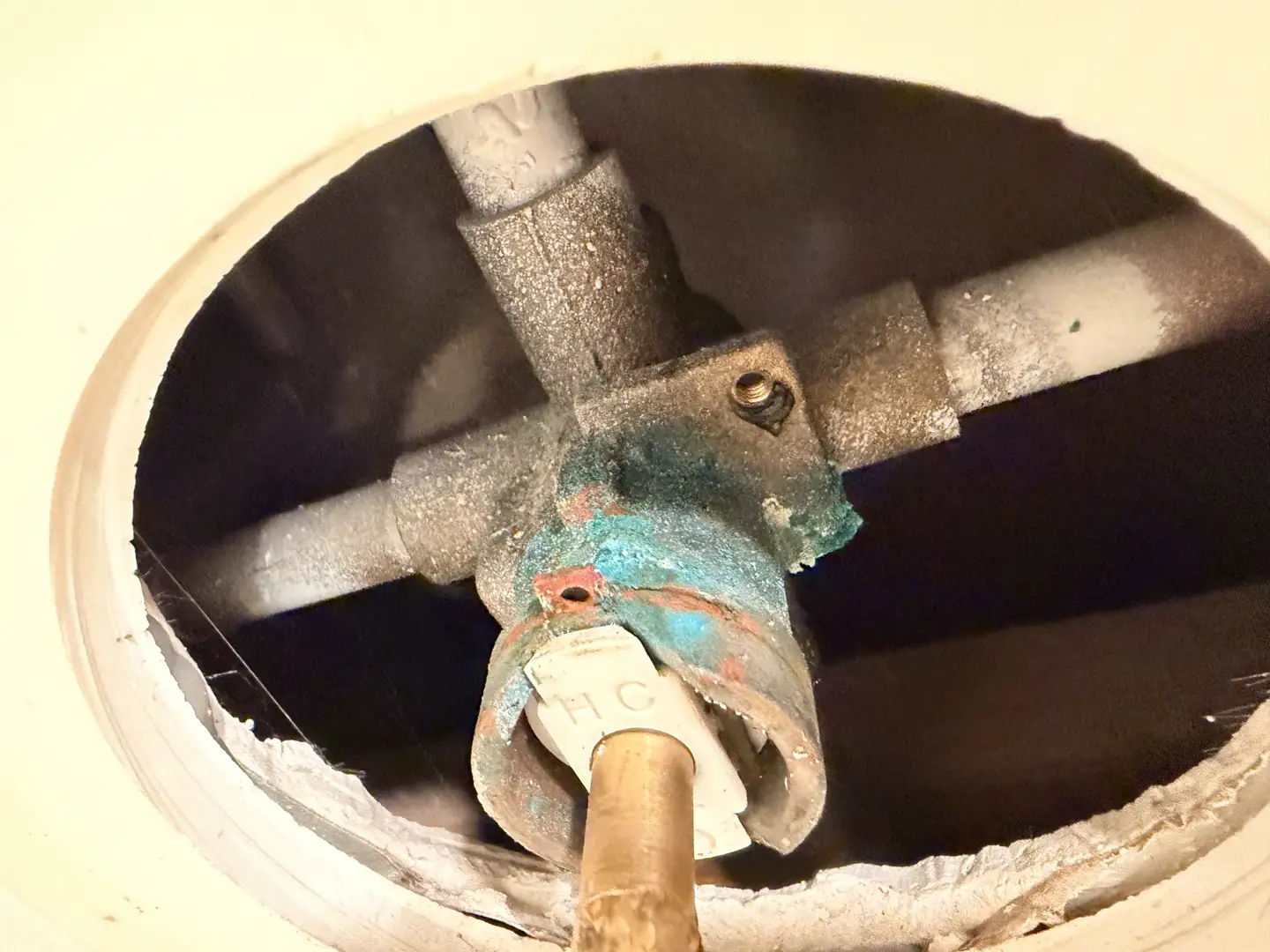
- Pipe Corrosion: The same chemical reaction that dissolves a clog can eat away at your plumbing. This is especially dangerous for older metal pipes or thin PVC. Overuse can lead to brittle pipes that eventually leak or burst.
- Toxic Fumes: Chemical cleaners release harsh vapors that can irritate your eyes, throat, and lungs. In a small, poorly ventilated bathroom, these fumes can become a serious health hazard.
- Septic System Damage: If you live in a more rural part of the East Bay and use a septic system, chemical cleaners are a disaster. They kill the beneficial bacteria that break down waste, potentially leading to a major system failure.
- Environmental Impact: Everything you pour down the drain eventually enters the water cycle. Natural alternatives keep these harsh toxins out of our local ecosystem.
Natural Drain Cleaning Methods That Work for Every Home
When we talk about natural drain cleaning methods that work, we are looking for solutions that use simple chemistry—like acid-base reactions—to physically agitate and loosen debris. Most of these ingredients are common household staples, making them a convenient and accessible alternative to harsh commercial chemicals.
If you’re wondering What Is The Best Method For Cleaning Drains, it usually depends on what is causing the blockage. Here is how to tackle the most common issues.
The Best Natural Drain Cleaning Methods That Work for Grease
Kitchen sinks are grease magnets. When grease cools, it turns into a thick, waxy solid that coats the interior of your pipes. To clear this, we need to reliquefy the fats and provide enough abrasive force to scrub them away.
- The Dish Soap Flush: Squirt a generous amount of grease-fighting dish soap (like Dawn) down the drain. Follow this with a full kettle of boiling water. The soap breaks the surface tension of the grease, while the boiling water melts it so it can flow through the pipes.
- The Salt and Baking Soda Scrub: Mix 1/2 cup of table salt with 1/2 cup of baking soda. Pour the dry mixture down the drain and let it sit for several hours or even overnight. The salt acts as a natural abrasive “exfoliant” for your pipes. In the morning, flush it with two liters of boiling water. This is one of the most effective natural drain cleaning methods that work for heavy kitchen buildup.
Pro-tip: If you have PVC pipes, use very hot tap water instead of rolling boiling water to avoid softening the plastic joints.
Natural Drain Cleaning Methods That Work for Hair and Organic Buildup
Bathroom drains require a different approach. Hair doesn’t melt like grease does, so we need physical agitation to move it along.
- The Volcano Reaction: This is the classic baking soda and vinegar method. Pour 1 cup of baking soda into the drain, followed by 1 cup of white vinegar. Immediately cover the drain with a stopper or a heavy rag. The reaction creates carbon dioxide bubbles that physically jolt the clog, breaking its grip on the pipe walls. Wait 15–30 minutes, then flush with hot water.
- Enzyme Cleaners: These are a fantastic “green” alternative available at most hardware stores. They contain natural bacteria that literally eat organic matter like hair and skin cells. While they take longer to work (often requiring an overnight soak), they are 100% safe for all pipe types and septic systems. You should Clean Your Drains Often To Avoid Awful Odors using enzymes to keep “the funk” at bay.
Mechanical Tools and Maintenance Habits to Prevent Clogs
Sometimes, even the best liquid solution needs a little help from physics. Mechanical tools are often the most reliable natural drain cleaning methods that work because they remove the obstruction entirely rather than just moving it further down the line.
- The Sink Plunger: Not all plungers are for toilets. A small cup plunger is perfect for sinks. Fill the sink with enough water to cover the head of the plunger, seal off the overflow vent with a wet rag, and use firm, rhythmic pulses to create pressure.
- The Wire Hanger “Fisher”: If you can see a hair clog just below the surface, straighten a wire coat hanger and create a small hook at the end. You can often “fish” out a surprisingly large amount of hair in seconds.
- P-Trap Removal: If the clog is stubborn, the debris is likely in the U-bend under the sink. Place a bucket underneath, unscrew the slip nuts by hand or with a wrench, and remove the pipe. You can then manually clean out the “goop” with an old toothbrush.
For more advanced DIY tips, you can learn How To Use A Drain Snake On Clogged Pipes to reach deeper blockages.
Daily Habits for Healthy Pipes
Prevention is the ultimate natural drain cleaning hack. By adopting these simple habits, you can virtually eliminate the need for emergency repairs:
- Weekly Boiling Water Flush: Every Sunday night, pour a kettle of boiling water down each drain to melt away any minor grease or soap deposits before they harden.
- Use Cold Water for Disposals: When running your garbage disposal, use cold water. This keeps any fats in a solid state so the blades can chop them up and flush them away. Hot water melts the fat, which then coats the pipes further down.
- Install Hair Traps: A simple mesh strainer in your shower can save you from significant plumbing headaches and future repair needs.
- Proper Grease Disposal: Never pour oil or grease down the sink. Keep an old jar or “grease mug” under the sink, let the fat solidify, and toss it in the trash.
- Manage Drain Flies: Keeping drains clean also helps How To Get Rid Of Drain Flies, which thrive on the organic “sludge” inside dirty pipes.
When to Call a Professional for Stubborn Blockages
While we love empowering homeowners with natural drain cleaning methods that work, there is a limit to what baking soda and vinegar can do. If a clog is deep in the main line or caused by a structural issue like tree roots, no amount of pantry staples will fix it.
In fact, some situations require professional equipment like hydro jetting—a process that uses high-pressure water (the ultimate natural cleaner) to scrub the interior of your pipes back to “like-new” condition. There are times when you should Never Use Baking Soda Vinegar To Unclog Drain, specifically when the blockage is a solid object or a complete mainline stoppage, as the fizzing reaction can actually push the clog deeper or cause a messy backup into your home.
Signs of a Main Sewer Line Issue
If you notice any of the following, put down the vinegar and call us immediately:
- Multiple Clogged Drains: If your kitchen sink, shower, and toilet are all backing up at the same time, the problem is in your main sewer line.
- Gurgling Sounds: If your shower drain gurgles when you flush the toilet, air is trapped in the system due to a major blockage.
- Foul Odors: A persistent sewage smell that doesn’t go away after cleaning usually indicates a broken pipe or a sewer backup.
- Water Backing Up: If water appears in your shower or tub when you run the washing machine, it’s a clear sign of a main line obstruction.
Frequently Asked Questions
Are natural drain cleaning methods safe for all types of pipes?
Generally, yes. Natural drain cleaning methods that work are much safer than chemicals. However, you should exercise caution with boiling water if you have PVC (plastic) pipes, as temperatures above 140°F can potentially soften the joints or cause the pipes to warp over time. For PVC, use hot tap water instead. Also, avoid using salt or vinegar more than a few times a year on very old, thin metal pipes to prevent any risk of accelerated corrosion.
How often should I perform natural drain maintenance?
For the best results, we recommend a “Deep Clean” once a month using the baking soda and vinegar method. For high-use areas like the kitchen sink, a simple boiling water flush should be part of your weekly routine.
What are common mistakes to avoid with DIY drain cleaning?
The biggest mistake is mixing different cleaners. Never mix bleach with vinegar or ammonia, as this creates highly toxic chlorine or chloramine gas. Another mistake is using a “natural” method on a drain that already has commercial chemicals sitting in it—this can cause an unpredictable and dangerous reaction. Lastly, don’t ignore a slow drain. A slow drain is a warning; a clogged drain is an emergency.
Conclusion
Taking care of your home’s plumbing doesn’t have to involve harsh chemicals or constant stress. By using these natural drain cleaning methods that work, you can keep your pipes clear, protect your family’s health, and focus on the things that really matter. From a simple weekly hot water flush to a monthly baking soda deep clean, these small habits make a massive difference in the longevity of your plumbing system.
However, we know that some clogs are just too tough for the pantry to handle. If you have a recurring blockage, a slow-moving sewer line, or you’re just tired of fighting with a stubborn sink, Flow Pro Plumbing is here to help. We are a locally owned and operated team of licensed professionals serving Brentwood, Oakley, Antioch, Discovery Bay, Pittsburg, and Concord. We pride ourselves on fast, clean, and courteous service that solves the problem the first time.
Don’t let a small leak or a slow drain turn into a major headache. Schedule your service today for expert plumbing help you can trust!