

Why a Reliable Water Heater Matters for Your Antioch Home
Few things are worse than stepping into a cold shower on a chilly morning, or running out of hot water halfway through doing the dishes. If you’re looking for the best water heaters in Antioch, CA, you need to understand your options, recognize when your current system is failing, and know where to turn for professional installation and service that keeps your home comfortable year-round.
Quick Answer: Top Water Heater Options in Antioch
- Traditional Tank Water Heaters – Reliable and a popular choice for high-demand households
- Tankless (On-Demand) Water Heaters – Endless hot water, energy-efficient, space-saving
- Hybrid Heat Pump Water Heaters – Two to three times more efficient than standard electric models
- Solar Water Heaters – Reduced energy consumption with available rebates and incentives
All options require professional installation by licensed technicians who understand Antioch’s local building codes, including earthquake straps, proper venting, and permit requirements.
Your water heater is one of those appliances you don’t think about until it stops working. When it does, you’re left scrambling for hot water and wondering whether to repair or replace. The right choice depends on your household size, energy goals, and the age and condition of your current system. Whether you’re dealing with inconsistent temperatures, strange noises, or a unit that’s simply past its prime, understanding your options helps you make an informed decision.
I’m Jesse Delgado, owner of Flow Pro Plumbing in Brentwood, and I’ve spent over a decade helping East Bay homeowners steer water heater repairs, replacements, and upgrades, including finding the best water heaters in Antioch, CA for their specific needs. My team and I focus on honest assessments, quality workmanship, and installations that meet all local safety standards.
If you’re ready to explore your options, learn more about water heater services or schedule a consultation in Antioch to get expert advice custom to your home.
Is Your Water Heater Trying to Tell You Something?
Your water heater is a quiet, hardworking appliance, often tucked away in a closet or garage. Because it works so diligently behind the scenes, we often don’t give it a second thought—until it starts acting up. And trust us, when a water heater needs attention, it has a few ways of getting our attention, none of them pleasant! We’re talking about those dreaded cold showers, inconsistent temperatures that swing from scalding to frigid, or strange noises that make you wonder if a small creature has taken up residence inside your tank.
Common water heater issues can include extinguished pilot lights, clogged water lines, sediment buildup, dirty burners, broken thermometers, and discolored water. If you’ve noticed your unit is over 10 years old, or your utility bills are mysteriously on the rise, these are all clear signals that your water heater is trying to tell you something. Ignoring these signs can lead to bigger problems down the line, so it’s always best to address them promptly.
Signs It’s Time for a Repair
Not every water heater hiccup calls for a complete replacement. Sometimes, a well-timed repair can extend the life of your unit and restore its efficiency. Here are some common issues that often indicate it’s time to call us for a repair:
- Pilot Light Issues: For gas water heaters, an extinguished or frequently flickering pilot light can mean a thermocouple problem or a draft issue. This is a common fix that can get your hot water flowing again.
- Faulty Thermostat: If your water is too hot, too cold, or constantly fluctuating, a malfunctioning thermostat is often the culprit. Adjusting or replacing this component can resolve temperature inconsistencies.
- Pressure Relief Valve Problems: The pressure relief valve is a critical safety feature. If it’s leaking or not functioning correctly, it needs immediate attention to prevent dangerous pressure buildup.
- Minor Leaks: Small leaks from components like the cold water inlet, dip tube, drain valve, or sacrificial anode rod can often be repaired. Our technicians can assess if these parts can be replaced without needing to swap out the entire tank.
- Inconsistent Heating: If you’re getting some hot water, but it’s not staying hot for long, or cycles between warm and cool, it might be a sign of a faulty heating element (for electric units) or a burner issue (for gas units).
Addressing these issues quickly can prevent them from escalating into major problems or even necessitating a full replacement. Consistent attention and prevention are always better than waiting for a complete breakdown.
When to Consider a Full Replacement
While repairs can be a good short-term solution, there comes a point when replacing your water heater becomes the smarter choice. Knowing when to make this decision can save you from repeated service calls and unexpected cold showers. Here’s when we typically recommend considering a full replacement:
- Corroded Tank: If you see rust around the connections or, worse, if your hot water itself is rusty or discolored, it often indicates internal tank corrosion. Once the tank itself starts to corrode, repairs are usually futile and a replacement is imminent.
- Major Leaks: A significant leak from the main tank body, especially from the bottom, is almost always a sign that the tank has failed structurally and cannot be repaired. This requires immediate replacement to prevent water damage to your home.
- Inefficiency: As water heaters age, they lose efficiency, meaning they have to work harder and use more energy to heat your water. If your unit is older and your energy bills are consistently higher, a new, more efficient model could improve your home’s energy usage.
- Frequent Repairs: If you find yourself calling for repairs every few months, it may be a sign that a new, reliable unit is a better long-term solution. It’s like patching an old pair of shoes repeatedly when a new pair would serve you better.
- Exceeding Average Lifespan: Traditional tank water heaters typically last between 8 to 12 years. If your unit is approaching or has surpassed this age, it’s living on borrowed time. Tankless water heaters, on the other hand, can last 20 years or more. If your old unit is nearing the end of its projected lifespan, proactive replacement can prevent an emergency situation.
The goal is to ensure you have reliable, efficient hot water without the hassle of constant repairs. Our team can help you assess your current unit and advise on the best path forward for your Antioch home.
Your Guide to Water Heater Types in Antioch
Choosing the right water heater for your Antioch home involves more than just picking the first one you see. It’s about understanding your household needs, how much hot water your family uses, and your goals for energy efficiency. The available fuel source in your home—whether natural gas or electricity—will also play a significant role in your decision. Let’s explore the main types of water heaters available and how they stack up.
| Feature | Traditional Tank Water Heater | Tankless Water Heater |
|---|---|---|
| Hot Water Supply | Large, stored volume; can run out during peak demand. | Endless, on-demand hot water; never runs out. |
| Energy Use | Heats and reheats water continuously, even when not in use. | Heats water only when needed, highly energy-efficient. |
| Size | Large, bulky tank; requires significant floor space. | Compact, wall-mounted unit; saves considerable space. |
| Lifespan | Typically 8-12 years. | Can last 20+ years with proper maintenance. |
| Installation | Generally simpler; may require minor plumbing adjustments. | More complex; may require gas line or electrical upgrades. |
| Maintenance | Annual flushing to remove sediment. | Annual flushing to prevent mineral buildup. |
Traditional Storage Tank Water Heaters
Traditional storage tank water heaters are the most common type and have been a reliable staple in homes for decades. They work by continuously heating a large tank of water to a set temperature, keeping it ready for whenever you need it. This design ensures a consistent, readily available supply of hot water.
These units come in both gas and electric models. Gas water heaters are often preferred where natural gas is available because they typically heat water faster. Electric models are a great option for homes without natural gas lines or where electricity rates are favorable.
One of the main advantages of traditional tank water heaters is their straightforward design and operation, making them a familiar and reliable option for many homeowners. They are particularly suitable for households with high, simultaneous hot water demands, as they can deliver a large volume of hot water all at once. However, the downside is that once the tank’s hot water supply is depleted, you’ll have to wait for it to reheat, which can be an inconvenience during busy mornings or after a series of showers.
The Rise of Tankless (On-Demand) Water Heaters
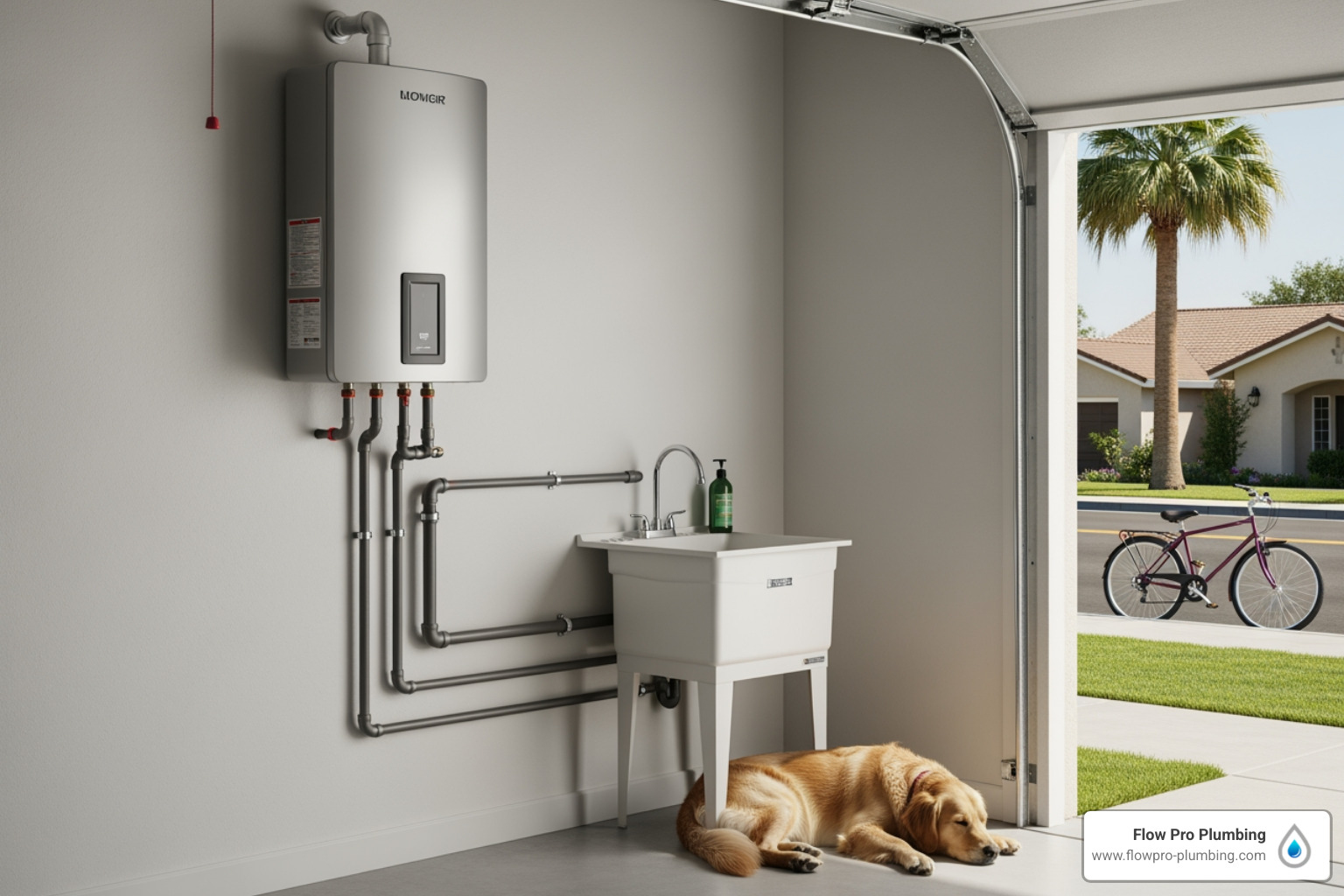
Tankless water heaters, also known as on-demand water heaters, have surged in popularity, and for good reason! They represent a modern solution to an age-old problem: running out of hot water. Unlike traditional tank units, tankless water heaters don’t store hot water. Instead, they heat water only when you need it, instantly, as it flows through the unit.
The benefits of going tankless are compelling:
- Endless Hot Water: Imagine never running out of hot water, no matter how many showers are taken or how many loads of laundry are done. That’s the promise of a tankless system.
- Energy Savings: Because they only heat water on demand, tankless units are significantly more energy-efficient than storage tank models, which constantly heat and reheat water. This can lead to improved energy efficiency for your home.
- Compact Footprint: Tankless water heaters are much smaller and are typically mounted on a wall, freeing up valuable floor space in your garage, utility closet, or basement. This space-saving design is a huge plus, especially in smaller homes or for those looking to maximize storage.
- Longer Lifespan: With proper maintenance, tankless water heaters can last 20 years or more, often double the lifespan of traditional tank units. This longer durability means fewer replacements and greater peace of mind.
- Potential for Rebates: Given their energy efficiency, tankless water heaters, and sometimes the high-efficiency models, may qualify for local energy rebates.
The long-term energy savings, extended lifespan, and unparalleled convenience often make them a worthwhile investment for Antioch homeowners seeking the best water heaters in Antioch, CA.
Other High-Efficiency Options
Beyond traditional and tankless systems, there are other innovative, energy-efficient water heater options that could be a perfect fit for your Antioch home, especially if you’re looking to minimize your environmental footprint.
- Hybrid Heat Pump Water Heaters: Also known as heat pump water heaters, these systems are incredibly efficient. Instead of generating heat directly, they use electricity to move heat from the surrounding air to the water in the tank, much like a refrigerator in reverse. This process makes them two to three times more energy-efficient than conventional electric resistance water heaters. They are ideal for homes in climates where the ambient air temperature stays between 40-90°F year-round, which makes them a great option for many parts of California.
- Solar Water Heaters: Using the power of the sun, solar water heaters use solar panels, typically installed on your roof, to collect heat and transfer it to your home’s water supply. While they often require a backup conventional water heater for cloudy days or periods of high demand, they can significantly reduce energy consumption. Solar water heaters are an excellent choice for homeowners committed to renewable energy and can often qualify for federal and state incentives, which can make them a more accessible option.
- Condensing Water Heaters: For larger gas-powered applications, condensing water heaters are a highly efficient option. They capture heat from exhaust gases that would typically be vented, using it to preheat incoming cold water. This innovative design drastically improves their efficiency.
When considering these high-efficiency options, always look for models with an Energy Star rating. This certification indicates that the product meets strict energy efficiency guidelines set by the EPA and Department of Energy, ensuring you’re getting a unit that will perform efficiently. We can help you explore whether these options are suitable for your home and lifestyle.
Finding the Best Water Heaters in Antioch, CA: What to Look For
When it comes to something as essential as your home’s hot water system, you shouldn’t settle for anything less than the best. Finding the best water heaters in Antioch, CA isn’t just about the unit itself; it’s also about the quality of the installation and service. Here’s what we believe you should look for in a water heater provider:
- Expertise Matters: Look for a team with experience in the field. Our team has over a decade of experience, ensuring deep knowledge of various systems and local conditions.
- Licensed Technicians: This is non-negotiable. Licensed plumbers ensure that the work is performed according to industry standards and local regulations.
- Insured Professionals: Accidents can happen. Ensure the company you choose is fully insured to protect both their team and your property.
- Local Knowledge: A company with a strong local presence understands Antioch’s unique building codes, common plumbing challenges, and even the local water quality, all of which can impact your water heater’s performance and lifespan.
- Safety and Compliance: The installation of water heaters, especially gas models, involves strict safety protocols. A reputable company will prioritize safety and ensure all work complies with local codes.
- Long-Term Reliability: You want a water heater that will last. This comes from choosing a quality unit and having it installed correctly by professionals who stand by their work.
Why Professional Installation is Non-Negotiable
While the internet is full of “how-to” guides, attempting to install a water heater yourself is a significant undertaking with serious risks. Professional installation isn’t just about convenience; it’s about safety, compliance, and ensuring your investment performs optimally for years to come.
- DIY Risks: Water heaters involve complex connections to your home’s plumbing, gas lines (for gas models), and electrical system (for electric models). A botched DIY installation can lead to:
- Electrical Hazards: Improper wiring can cause short circuits, electrical fires, or even electrocution.
- Gas Line Dangers: Incorrect gas line connections can result in dangerous gas leaks, posing a severe risk of explosion or carbon monoxide poisoning.
- Water Damage Potential: Leaks from improperly sealed pipes can cause extensive water damage to your home, leading to significant repairs and potential mold growth.
- Ensuring Warranty Validity: Most water heater manufacturers require professional installation for their warranties to be valid. A DIY job, or installation by an unlicensed individual, could void your warranty, leaving you responsible for future repairs or replacement.
- Peace of Mind: Hiring licensed and experienced professionals like us ensures the job is done right the first time, safely and efficiently. We handle all the complexities, from disconnecting the old unit to properly installing and testing the new one, giving you complete peace of mind.
Our team has the expertise and specialized tools to handle water heater installations, whether it’s a traditional tank, a complex tankless system requiring gas line upgrades, or a hybrid unit. We ensure every installation meets the highest safety standards and local regulations.
The Importance of Adhering to Antioch’s Building Codes
Installing a water heater in Antioch, CA, isn’t just about connecting pipes; it’s about adhering to specific local building codes and safety regulations. These codes are in place to protect your home and family, and a professional installer will ensure every detail is covered.
Here are some key regulations in Antioch and California that we carefully follow:
- Mandatory Permits: Antioch laws require a permit for water heater replacement. We handle this process, ensuring all necessary paperwork is filed and inspections are passed.
- Earthquake Straps: California law mandates earthquake straps on all water heaters. These straps must be correctly positioned on the top and bottom thirds of the tank to prevent tipping during seismic activity. This is a crucial safety measure for homes in our region.
- Proper Venting for Gas Heaters: For gas combustion water heaters, correct venting is essential to safely expel exhaust gases, including carbon monoxide, outside your home. Improper venting can lead to dangerous CO buildup.
- Drip Pans and Drains: If there’s a potential for water damage from leaks, a pan with an external drain line is required under the water heater. This helps contain any leaks and directs water away from your living space.
- Dedicated Water Shutoff: A dedicated water shutoff valve is necessary for the water heater. This allows us to turn off the water to the unit for maintenance or repairs without interrupting the water supply to the rest of your house.
- Pipe Insulation: Exposed hot water pipes in unconditioned spaces must be insulated to prevent energy loss, contributing to your home’s overall energy efficiency.
- P&T Drain Requirements: The Temperature and Pressure (T&P) relief valve drain should be directed outside to reduce the risk of scalding in case of a pressure release.
- Safety Bonding for Pipes: Gas and water pipes must be properly grounded for electrical safety.
We understand these local nuances and ensure every water heater installation we perform is fully compliant, safe, and efficient, giving you confidence in your new system.
Frequently Asked Questions about Water Heaters
We know you might have a few questions when it comes to your home’s hot water system. Here are some of the most common inquiries we receive from homeowners in Antioch and surrounding areas:
How often should my water heater be serviced?
To ensure your water heater operates efficiently and lasts as long as possible, we recommend annual maintenance. Think of it like a tune-up for your car – a little preventative care goes a long way. During a routine service, we typically:
- Flush the tank: This is crucial for traditional tank water heaters to remove sediment buildup that can accumulate at the bottom. Sediment reduces efficiency, takes up space, and can shorten the lifespan of your unit.
- Check the anode rod: Often called a “sacrificial rod,” this component corrodes over time to protect the tank itself from rust. We inspect it and replace it if necessary.
- Inspect valves: We check the temperature and pressure (T&P) relief valve and other shut-off valves to ensure they are functioning correctly and safely.
- Examine heating elements/burners: For electric units, we check the elements; for gas units, we inspect the burner and pilot light.
Regular maintenance helps identify potential issues early, prevents major breakdowns, and extends the overall lifespan of your water heater, keeping your hot water running strong and improving its efficiency.
Are there local rebates for energy-efficient water heaters?
Yes, absolutely! Investing in an energy-efficient water heater may also qualify you for local rebates and incentives. In California, utility providers like PG&E often offer programs to encourage homeowners to upgrade to more efficient systems.
For example, PG&E has offered rebates for certain types of high-efficiency gas storage heaters and electric heat pump water heaters.
While tankless water heaters are very efficient, they might not always qualify for specific PG&E rebates, so it’s always best to check current programs. These incentives can change, so we always recommend checking with your local utility provider’s website (like PG&E or similar resources) or consulting with us. We can help you identify eligible Energy Star models and guide you through the process of applying for any available rebates when you install a high-efficiency gas storage heater or an electric heat pump water heater.
Should I repair or replace my old water heater?
This is a question we hear frequently, and the answer often depends on several factors. It’s a balance between a short-term fix and a long-term solution.
Here’s how we help you decide:
- Age of the Unit: As a general rule, if your traditional tank water heater is over 10 years old, replacement often becomes a better long-term solution than continuous repairs. Units past their typical lifespan are more prone to failure. For tankless units, they can last 20+ years, so age plays a different role here.
- Extent of the Problem: If a repair is particularly extensive, especially for an older unit, replacement may be a more practical choice.
- Frequency of Issues: Are you calling us for repairs every few months? Frequent breakdowns indicate a system that’s failing and may continue to cause problems.
- Efficiency of Old Unit: Older water heaters are inherently less efficient than newer models. Even if an old unit is repaired, it will likely continue to consume more energy. A new, energy-efficient model can improve your home’s overall energy usage.
A professional assessment from our team can determine the best solution for your specific situation. We’ll evaluate the condition of your current unit, discuss your hot water needs, and provide transparent recommendations to help you make the best decision for your Antioch home.
Your Local Experts for Reliable Hot Water
Choosing the best water heaters in Antioch, CA means selecting a system that perfectly fits your household’s needs and having it installed by professionals who understand the nuances of local regulations and prioritize your safety. From the endless hot water of a tankless system to the reliable supply of a traditional tank, or the energy savings of a hybrid model, the right choice ensures comfort and efficiency for years to come.
We’ve seen the inconvenience and frustration that comes with a malfunctioning water heater. That’s why we emphasize the importance of professional service, from initial consultation to expert installation and routine maintenance. Don’t wait for that dreaded cold shower to remind you of the importance of your hot water system.
At Flow Pro Plumbing, we’re more than just plumbers; we’re your neighbors in the East Bay, committed to providing superior service, unsurpassed workmanship, and a friendly, experienced team for all your water heater needs. Our dedication to quality and customer satisfaction has helped us build a great reputation in communities like Brentwood, Oakley, Antioch, Findy Bay, Pittsburg, Bay Point, Concord, Byron, Bethel Island, Clayton, Walnut Creek, Pleasant Hill, and Knightsen.
For expert advice and professional water heater services in the Antioch area, contact our team today. We’re ready to help you enjoy reliable, efficient hot water every day.