

When Your Water Heater Fails Without Warning
Emergency water heaters in Bethel Island, CA become a critical concern the moment your morning shower turns ice-cold or you find a puddle spreading across your utility room floor. These situations demand immediate attention to restore comfort and prevent costly water damage to your home.
Quick Answer: What to Do During a Water Heater Emergency
- Shut off the water supply to your water heater immediately
- Turn off power or gas to prevent safety hazards
- Call a licensed emergency plumber who serves Bethel Island
- Clear the area around your water heater to prevent damage
- Document the issue with photos for warranty or insurance purposes
Water heater emergencies rarely arrive at convenient times. For Bethel Island’s 2,619 residents—many who spend their days enjoying outdoor activities like biking along the Delta waterways or tending backyard gardens—returning home to a failed water heater disrupts daily routines and family comfort. Whether you’re facing a catastrophic tank leak, complete loss of hot water, or strange rumbling noises that signal imminent failure, understanding your options helps you make informed decisions quickly.
This guide walks you through recognizing true water heater emergencies, taking immediate protective steps, and understanding what factors determine whether you need emergency repair or full replacement. You’ll also learn how local Bethel Island considerations—from Delta-area water quality to regional building codes—affect your water heater service needs.
For comprehensive plumbing solutions beyond water heaters, visit our Bethel Island plumbing services page. When you need immediate help, our emergency water heater repair team stands ready to respond.
I’m Jesse Delgado, owner of Flow Pro Plumbing, and I’ve spent over a decade helping East Bay homeowners steer stressful plumbing emergencies, including emergency water heaters in Bethel Island, CA. My team and I operate 24/7 because we know water heater failures don’t wait for business hours—and neither should your solution.
What Are the Telltale Signs of a Water Heater Emergency?
Not every water heater hiccup qualifies as an emergency, but when certain warning signs appear, they demand your immediate attention. Understanding these signals helps you distinguish between “this can wait until Monday” and “I need help right now” situations with emergency water heaters in Bethel Island, CA.
The complete absence of hot water ranks as the most obvious distress signal. When your morning shower suddenly runs ice-cold, or your hot water supply vanishes much faster than normal, something significant has failed. This could mean a broken heating element, malfunctioning thermostat, failed gas burner, or complete system shutdown. Beyond the immediate discomfort, this disruption to washing dishes, doing laundry, and basic hygiene tells you your water heater needs professional attention.
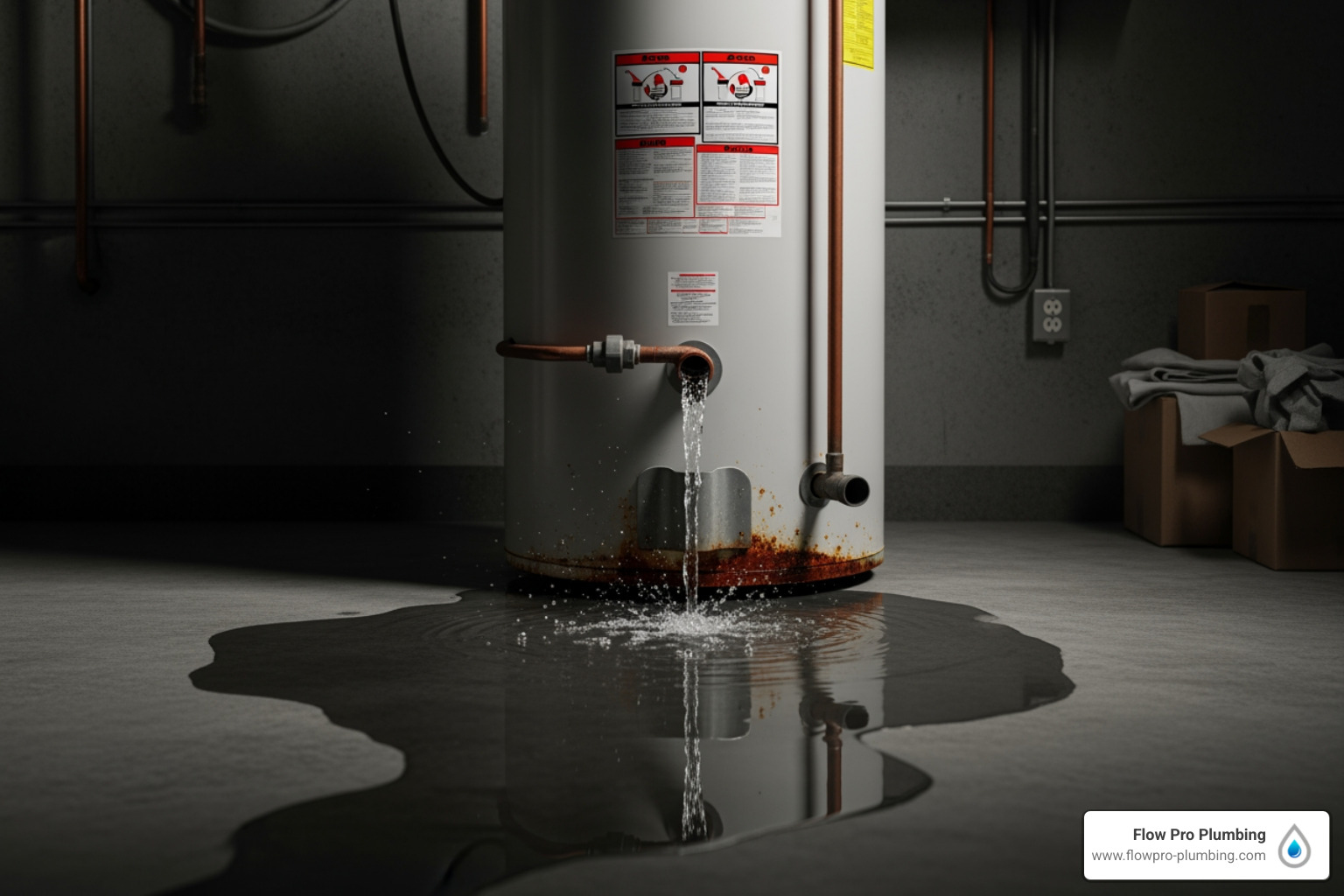
Water pooling around your water heater’s base should trigger immediate concern. Even small drips signal trouble—whether from a cracked tank, loose connection, or faulty pressure relief valve. What starts as a minor puddle can quickly escalate into gallons of water flooding your utility room, damaging floors, walls, and nearby belongings. Persistent moisture also creates perfect conditions for mold growth, adding another layer of problems to address.
Unusual noises coming from your water heater rarely mean anything good. Water heaters typically operate quietly, so when you hear rumbling, popping, banging, or hissing sounds, pay attention. These noises usually indicate sediment buildup hardening at the tank’s bottom. As this sediment layer thickens, your heating element works overtime, creating pressure pockets that eventually release with those unsettling sounds. This not only reduces efficiency but can damage the tank itself.
Rusty or discolored hot water flowing from your faucets signals internal corrosion. When your hot water appears brown, orange, or cloudy, the tank’s interior or connected pipes are deteriorating. This affects both water quality and indicates your water heater may be approaching the end of its service life.
Foul odors from your hot water—particularly that distinctive rotten egg smell—point to bacterial growth inside the tank or a failing anode rod. While perhaps not as immediately critical as a major leak, this situation still requires prompt investigation since it directly impacts your household’s water quality.
Significantly reduced hot water pressure compared to your cold water pressure suggests sediment accumulation restricting flow within the tank or pipes. This can indicate advancing internal corrosion or a deteriorating dip tube that’s no longer directing cold water properly through your system.
When you notice any of these warning signs, don’t wait for the situation to worsen. Our team specializes in Water Heater Repair Bethel Island, CA and can quickly diagnose what’s happening with your system—and more importantly, fix it before minor issues become major disasters.
First Response: Immediate Steps for a Water Heater Crisis
When you’re facing emergency water heaters in Bethel Island, CA, the first few minutes matter more than you might think. I know it’s stressful—nobody wants to find water spreading across their floor or realize their hot water is gone for good. But taking calm, deliberate action right now can prevent a manageable problem from becoming a catastrophic one.
Your first move should always be shutting off the water supply. Look for the cold water shut-off valve at the top of your water heater. It’s usually a red or blue handle that you’ll turn clockwise until it stops. If you’re dealing with a major leak and can’t find this valve quickly, head straight to your home’s main water shut-off—typically near your water meter or where the main line enters your house. Stopping the water flow immediately limits damage and gives you breathing room to handle the rest.
Next comes turning off the power or gas, which is absolutely critical for your safety. If you have an electric water heater, go to your breaker box and flip off the circuit labeled for your water heater. For gas units, locate the gas supply line and turn that valve to the “OFF” position. This isn’t optional—leaving power or gas connected to a failing water heater creates serious safety risks, from electrical hazards to potential gas leaks.
Once you’ve secured those two essentials, clear the area around your water heater. Move anything that could be damaged by water, and use towels or a wet/dry vacuum to soak up standing water. This protects your floors and belongings while reducing slip hazards.
Here’s where I need to be direct: resist the urge to attempt DIY repairs. Water heaters combine electrical systems, gas lines, and pressurized plumbing—a mix that can be genuinely dangerous without proper training. Even seemingly simple fixes can void warranties or create bigger problems down the road.
The final step is calling a professional immediately. Our team operates 24/7 because we know water heater emergencies don’t follow a schedule. We’ll be dispatched as soon as you call, bringing the expertise and equipment needed to handle your situation safely and effectively. For immediate assistance with any critical plumbing situation, contact an Emergency Plumber who understands the unique needs of Bethel Island homes.
Your quick response to these steps protects your home, your family’s safety, and ultimately saves you money by preventing secondary water damage. We’re here to take it from here.
Navigating Emergency Water Heaters in Bethel Island, CA
When you’re dealing with emergency water heaters in Bethel Island, CA, one question looms larger than all the rest: should you repair what you have, or replace it entirely? This isn’t always an easy call, especially when you’re standing in a puddle at 2 a.m. or facing another cold morning shower. The right choice depends on your specific situation, and understanding the key factors can help you make a decision you won’t regret.
Factors That Guide Repair vs. Replacement Decisions
Think of your water heater like a car. At some point, you stop throwing money at repairs and start shopping for a newer model. The same logic applies here, but with a few plumbing-specific considerations.
Unit age is often the first clue. Most traditional tank water heaters give you about 8 to 12 good years of service, while tankless models can keep going for 20 years or more. If your unit is approaching or has sailed past its expected lifespan, replacement usually makes more financial sense than patching it up one more time. Plus, newer models offer significantly better energy efficiency, which means lower utility bills month after month.
The extent of damage matters tremendously. A faulty thermostat or a worn-out heating element? Those are straightforward repairs that can buy you more years of service. But if the tank itself is leaking, showing signs of corrosion, or has suffered a major component failure, you’re looking at replacement territory. A cracked or corroded tank can’t be fixed—it needs to go.
Have you been calling your plumber more often than you’d like? Frequent past repairs are your water heater’s way of telling you it’s tired. When repair bills start adding up every few months, you’re essentially making payments on a new water heater without actually getting one. It’s frustrating, and it’s usually more cost-effective to invest in a reliable new unit.
Finally, consider your energy efficiency goals. Older water heaters are energy hogs compared to today’s models. If you’re looking to shrink your carbon footprint and your monthly bills, upgrading to a high-efficiency tankless or heat pump water heater can make a real difference over time.
Our team can walk through these factors with you and provide honest recommendations based on what we see in your home. When replacement makes sense, we’re here to help with professional Water Heater Installation Bethel Island, CA.
How Emergencies Differ for Tank vs. Tankless Water Heaters
Not all water heaters fail the same way. The type of system you have—tank or tankless—determines what can go wrong and how urgently you need to address it.
Tank water heaters face their own set of vulnerabilities. The most dramatic emergency is catastrophic tank failure, where the tank itself ruptures or develops major leaks. This creates an immediate flood risk and requires swift action to prevent serious water damage to your home. Another common issue is anode rod failure—this sacrificial rod protects your tank from corrosion, but once it’s gone, rust takes over quickly. Finally, sediment buildup at the bottom of the tank causes those unsettling rumbling and popping sounds we discussed earlier. Over time, this sediment hardens, reduces efficiency, and can eventually damage the tank beyond repair.
Tankless water heaters are popular in Bethel Island for good reason—they’re efficient, long-lasting, and take up minimal space. But they have their own emergency scenarios. Mineral scale buildup from Delta-area hard water can clog the heat exchanger, reducing performance and eventually causing complete failure. Ignition failure means your gas burner won’t light, leaving you without hot water (though at least you won’t have a tank full of water leaking onto your floor). And system overload—trying to run too many hot water fixtures simultaneously—can trigger safety shutoffs or damage internal components.
Understanding these differences helps you recognize what’s happening when your water heater acts up, and it helps us respond with the right solution more quickly.
Understanding Warranties on Repairs and New Installations
Let’s talk about protection—the kind that comes with paperwork. When we repair or replace your water heater, you’re not just getting the work done; you’re getting peace of mind through warranties.
Manufacturer warranties cover the water heater itself and typically range from 6 to 12 years for tanks, and up to 15 years for tankless units. These warranties protect you if there’s a defect in the tank, heat exchanger, or other major components. However, they usually require professional installation and regular maintenance to remain valid—another good reason to work with licensed professionals rather than attempting DIY fixes.
Our workmanship warranty covers the quality of our installation or repair work. If something goes wrong because of how we installed or repaired your system, we’ll make it right. This is separate from the manufacturer’s warranty and gives you an extra layer of protection.
Parts and labor coverage varies depending on what’s being done. New installations typically come with comprehensive coverage, while repairs may have more limited warranties depending on which components we’re replacing. We’ll always explain exactly what’s covered before we start any work, so there are no surprises down the road.
For more information about water heater options and what might work best for your Bethel Island home, visit our Water Heaters page.