
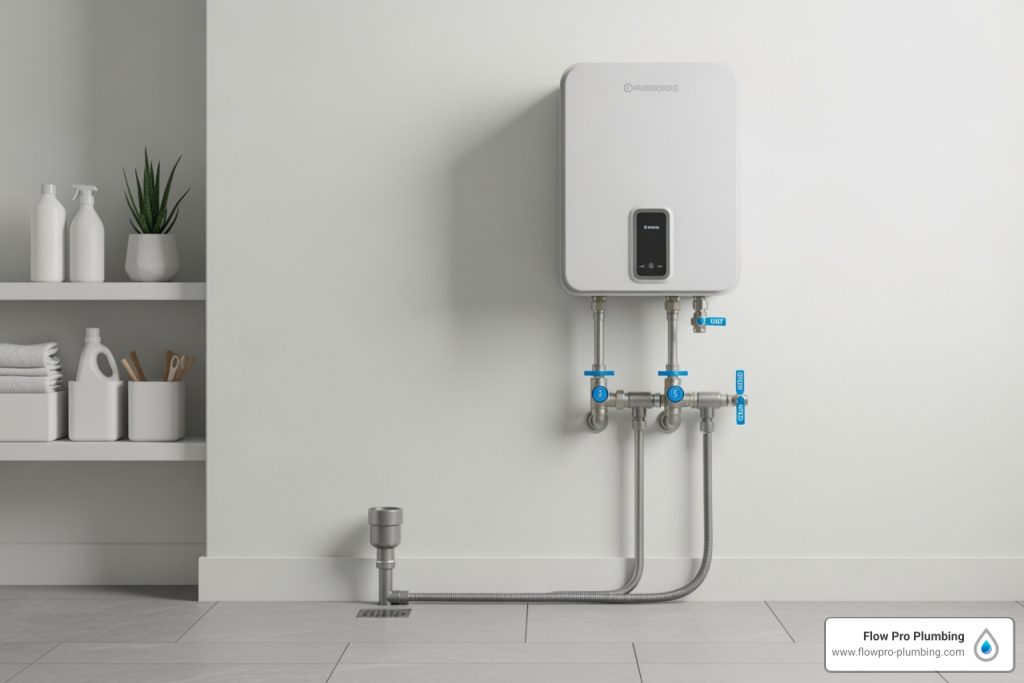
When Hot Water Suddenly Runs Cold
Tankless water heater problems can turn your morning routine upside down. Here in Brentwood, CA, reliable hot water is essential, so when you experience no hot water, temperature swings, or strange noises, you need quick answers. These efficient systems promise endless hot water, but when something goes wrong, it helps to know where to start troubleshooting.
Most Common Tankless Water Heater Problems:
- No hot water – Often caused by power supply issues, gas valve problems, or ignition failure
- Inconsistent water temperature – Typically due to mineral buildup, clogged filters, or system overload
- Cold water sandwich effect – Brief bursts of cold water between hot water uses due to residual pipe water
- Low water pressure – Usually results from clogged inlet screens or mineral deposits in the heat exchanger
- Mineral buildup and scaling – Hard water deposits reduce efficiency and can cause complete system failure
- Ignition or flame failure – Faulty igniters, insufficient gas supply, or blocked air intake
- Error codes – Unit’s diagnostic system alerting you to specific component failures
Understanding water heater basics and solutions can help you decide when to troubleshoot and when to call for help. If you need immediate assistance, our tankless water heater experts in Brentwood are ready to restore your hot water fast.
As Jesse Delgado, I’ve spent over a decade troubleshooting tankless water heater problems for East Bay Area homeowners. With my C-36 plumbing license and real-world experience, I’ve created this guide to walk you through the most common issues and their practical solutions.
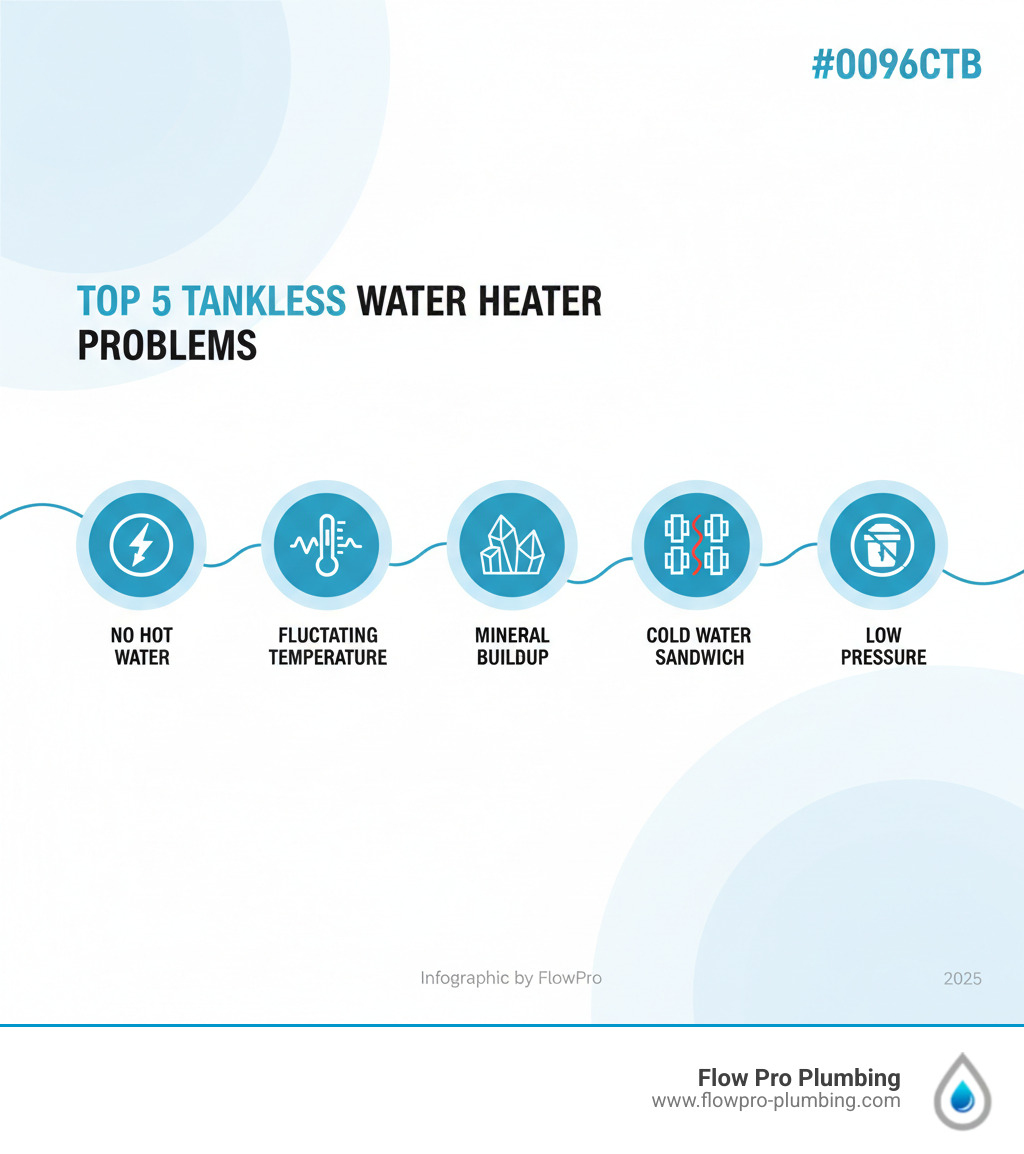
Tankless water heater problems vocabulary:
Diagnosing the ‘No Hot Water’ Dilemma
When your tankless water heater stops producing hot water, it’s time to investigate. Most “no hot water” situations stem from three areas: power, fuel, or ignition. Let’s walk through these checks, starting with the simplest fixes.
Is Your Unit Getting Power?
Before assuming a major repair is needed, check the power. Both electric and gas tankless heaters need electricity to operate.
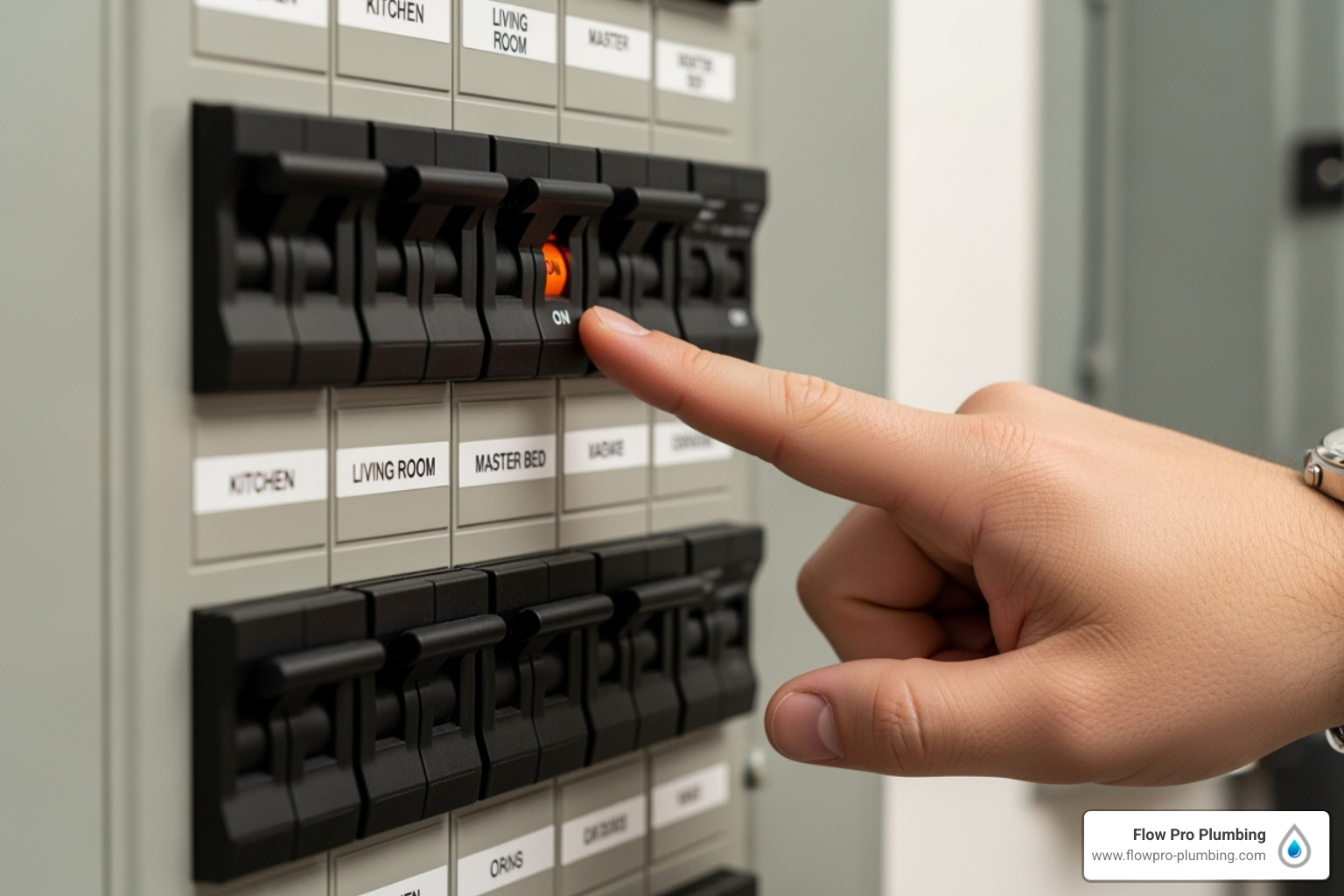
Head to your electrical panel and find the circuit breaker for your water heater. A tripped breaker is a common culprit. To reset it, push the breaker firmly to the “off” position, then switch it back to “on.” If the breaker trips again, do not keep resetting it. This signals an electrical issue that requires professional attention. For gas units, also confirm the unit is plugged in securely.
Checking the Fuel Supply
If the power is on but there’s still no hot water, check your fuel source. For gas-powered heaters, locate the gas valve on the line leading to your unit and make sure it’s fully open (the handle should be parallel to the pipe).
If you smell the rotten-egg odor of natural gas, stop immediately. Turn off the gas at the main valve, get everyone out of the house, and call your gas company. Do not try to locate the gas leaks yourself.
For homes with propane, check your propane tank level. An empty tank is an easy-to-overlook cause of ignition failure. Finally, insufficient gas pressure can prevent operation, but this requires a professional inspection with specialized tools to diagnose accurately.
Ignition and Flame Failure: A Critical Tankless Water Heater Problem
With power and fuel confirmed, the problem may be the ignition system. A faulty igniter is a common issue; you might hear clicking sounds, but the burner won’t light. A dirty burner can also prevent proper ignition, as can a dirty flame sensor. This sensor confirms a flame is present, and if it’s coated in soot or mineral deposits, it will shut the unit down as a safety precaution.
Also, ensure the air supply is adequate. Blocked vents or dirty air filters can starve the unit of oxygen, leading to ignition failure. Many modern units will display error codes to help you identify these specific issues. For more troubleshooting help, you can explore tankless water heaters in more detail or find more info on troubleshooting steps.
Tackling Temperature Troubles
Unpredictable water temperatures are a frustrating tankless water heater problem. If you’re experiencing sudden bursts of cold water or fluctuating heat, your unit is signaling that something is wrong.
Why is My Water Temperature Fluctuating?
Temperature roller coasters are often caused by a clogged inlet filter screen. This filter catches sediment, but when it gets blocked, water flow is restricted, and the heater struggles to maintain a consistent temperature.
Mineral buildup inside the heat exchanger also causes chaos by insulating the heating elements. For gas units, a malfunctioning gas valve can lead to an inconsistent fuel supply and fluctuating heat. Sometimes, the issue is simply that the system is overtaxed by too many simultaneous hot water demands, like running the shower and dishwasher at the same time.
Flow rate issues can also cause problems. If the flow is too low, the heater may shut off; if it’s too high, the water moves too quickly to be heated properly. Before calling a professional, try reducing simultaneous hot water use and check your faucet aerators for clogs.
Understanding the ‘Cold Water Sandwich’ Effect
The cold water sandwich is a brief shock of cold water between two periods of hot water. This isn’t a malfunction but a normal aspect of how tankless heaters work.
When you turn off a hot tap, hot water remains in the pipes. When you turn it back on, that hot water comes out first, followed by the cold water that was sitting in the line. The heater then needs a moment to fire up and heat the new water, creating the hot-cold-hot sequence.
To minimize this, try to keep a steady flow rather than turning the water on and off. For a permanent fix, a recirculation system can be installed to keep hot water readily available in the pipes. Some homeowners also use small buffer tanks to eliminate the effect. If you’re considering an upgrade, you can learn more about tankless heater options with features designed to reduce this issue.
Solving Common Tankless Water Heater Problems Related to Flow and Buildup
Lukewarm trickles and rising energy bills often point to tankless water heater problems related to water quality and demand. Issues like mineral scaling, low pressure, and system overload are common in Brentwood homes but are often preventable with proper maintenance.
Understanding Mineral Buildup: A Common Tankless Water Heater Problem
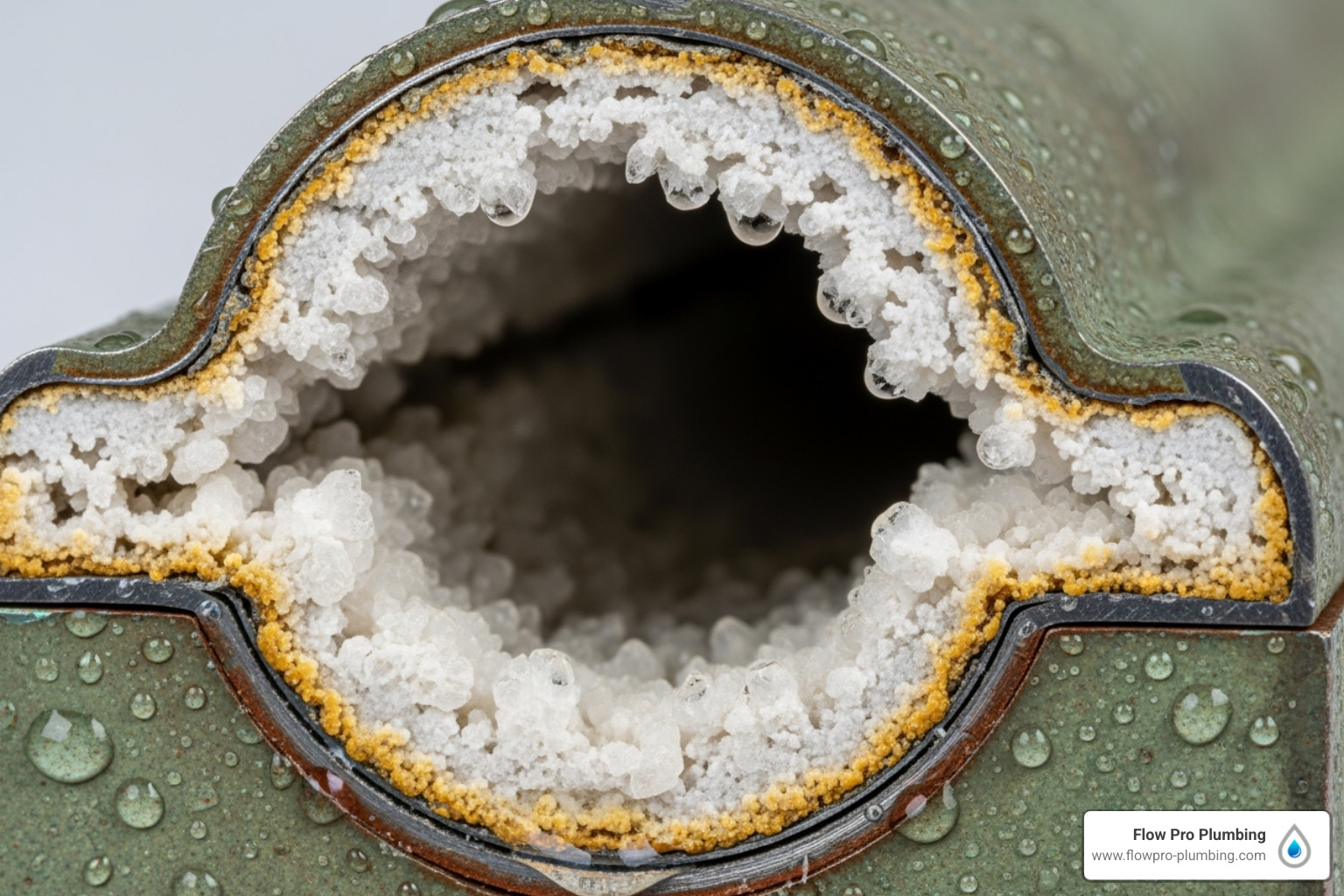
Hard water, common in Contra Costa County, is filled with minerals like calcium and magnesium. When heated, these minerals form hard, crusty deposits called limescale, especially inside your unit’s narrow heat exchanger pathways.
This mineral buildup acts as an insulator, forcing your heater to work harder, reducing efficiency, and causing temperature swings. If left unchecked, it can restrict water flow and lead to complete system failure.
The primary solution is descaling. This process involves flushing your unit with a special solution to dissolve the mineral deposits. Most manufacturers recommend this annually, or more often in areas with very hard water. The best long-term solution is a whole-house water softener, which removes minerals before they can cause buildup. For more on proper maintenance, see a guide to tankless water heater installation.
Dealing with Low Water Pressure
A weak stream of hot water is a frustrating sign of low water pressure. The most common cause is a clogged inlet screen filter, which can be cleaned. Other culprits include pipe obstructions from long-term mineral buildup, a malfunctioning pressure regulator, or undersized pipes that can’t handle demand.
Before calling for service, check your fixture aerators—the small screens on your faucets and showerheads—as they often get clogged with debris. Also, ensure your home’s main water valve is fully open.
Preventing System Overload
Your tankless water heater provides endless hot water, but not an unlimited amount all at once. Every unit has a maximum flow rate capacity (GPM). If you exceed this by running multiple appliances simultaneously (e.g., a shower and a dishwasher), you’ll experience system overload, and the water will turn lukewarm.
The simplest solution is to stagger your usage. If this is a constant problem, your unit may be undersized for your household’s needs. Upgrading to a higher-capacity unit can solve the issue permanently. For those in Pittsburg, CA, you can find more on tankless water heater installation to fit your home’s demands.
Proactive Maintenance and Safety Checks
Like any high-performance appliance, your tankless water heater needs regular care to prevent tankless water heater problems. A little preventative maintenance goes a long way in ensuring reliable hot water for years to come.
Improper Ventilation and Exhaust Blockages
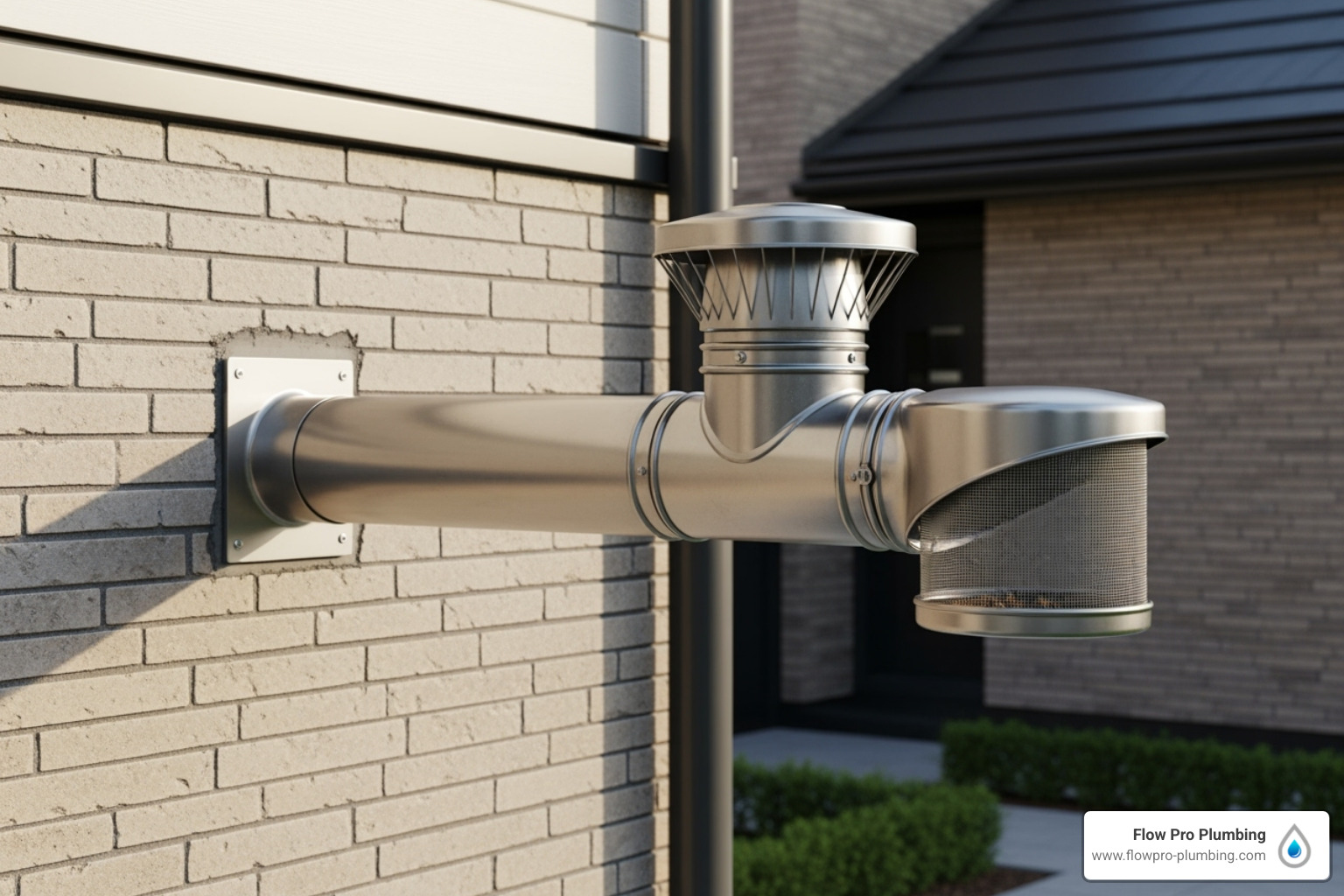
For gas-fired units, proper ventilation is a critical safety issue. The system produces combustion gases, including carbon monoxide, that must be vented outside. If the exhaust system gets blocked, these dangerous gases can back up into your home.
Blockages are often caused by bird nests, leaves, or other debris in the exterior vents. An automatic shutdown or overheating is a key sign that your unit’s safety features have detected a venting problem. Regularly inspect your intake and exhaust vents for obstructions. A professional technician should inspect the full venting system during annual maintenance. For more on setup, see a complete installation guide.
Decoding Error Codes
Modern tankless heaters use error codes on their digital display to communicate problems. Your owner’s manual is the key to translating these codes, which can point to everything from ignition failure to venting blockages.
When a code appears, look it up in your manual. Sometimes, a simple power reset (turning the unit off and on again) will clear the fault. However, if the code persists or indicates a serious issue, it’s time to call a professional.
Crucial Maintenance Practices for Longevity
To get a 20+ year lifespan from your tankless heater, consistent maintenance is essential. Annual flushing and descaling is the most important task, especially in areas with hard water, to remove mineral buildup. Installing a whole-house water softener is the best way to prevent this buildup in the first place.
Regularly cleaning your inlet filter screen and air filters (on gas models) is also vital. While some tasks are DIY-friendly, an annual professional tune-up is the best way to catch small problems before they become big ones. If you’re wondering about repairs, learn if a tankless hot water heater can be repaired.
Frequently Asked Questions about Tankless Water Heaters
When you’re facing tankless water heater problems, it’s natural to have questions. Here are answers to some of the most common ones I hear from Brentwood homeowners.
How often should I descale my tankless water heater?
It depends on your water quality. In areas with hard water, like Contra Costa County, you should descale your unit every 6 to 12 months to prevent mineral buildup. For homes with softer water, an annual flush and inspection are typically sufficient. Consistent descaling is key to maintaining efficiency and preventing damage.
Are tankless water heaters more prone to issues than traditional ones?
They aren’t more prone to issues, but they face different challenges. Traditional tanks can rust and leak over time. Tankless units are more sensitive to water quality and flow rates. However, with proper maintenance like regular descaling, a tankless water heater is highly reliable and often outlasts a traditional model.
What is the lifespan of a tankless water heater?
A well-maintained tankless water heater can last 20 years or more. This is nearly double the typical 8- to 12-year lifespan of a tank-style heater. However, this longevity is earned through consistent maintenance, including annual professional servicing and regular descaling. Neglecting these tasks can significantly shorten the unit’s life.
When to Call the Professionals
While basic troubleshooting is useful, some tankless water heater problems are too complex or dangerous for a DIY approach. Knowing when to call an expert is key to ensuring your safety and the longevity of your unit.
Attempting complex repairs without training can void your warranty, create safety hazards, or lead to more expensive damage. Here’s when to call a professional:
-
Gas-Related Issues: If you smell gas, turn off the main gas supply, evacuate your home, and call your gas company and a professional plumber immediately. Do not attempt to work on gas lines or valves yourself.
-
Electrical Problems: A circuit breaker that repeatedly trips or any sign of an internal electrical fault requires a licensed technician to prevent fire or shock hazards.
-
Persistent Error Codes: If an error code returns after a reset or the manual’s recommended fix doesn’t work, it’s time for an expert diagnosis.
-
Internal Component Failures: Repairing or replacing critical parts like the heat exchanger, control board, or gas valve requires specialized tools and training.
-
Water Leaks: While you might tighten a loose fitting, any water dripping from inside the unit can indicate serious internal damage that needs professional assessment.
-
Unresolved ‘No Hot Water’: If you’ve checked the basics and still don’t have hot water, let an experienced technician pinpoint and resolve the problem efficiently.
If you ever feel unsure or uncomfortable with a repair, trust your instincts and call for help. The experienced team at Flow Pro Plumbing handles all tankless water heater problems throughout Brentwood and surrounding communities like Oakley, Antioch, and Walnut Creek. We’re here to restore your hot water quickly and safely. For expert tankless water heater installation and repair, contact us today!