

Why Pipes Burst: The Science Behind the Disaster
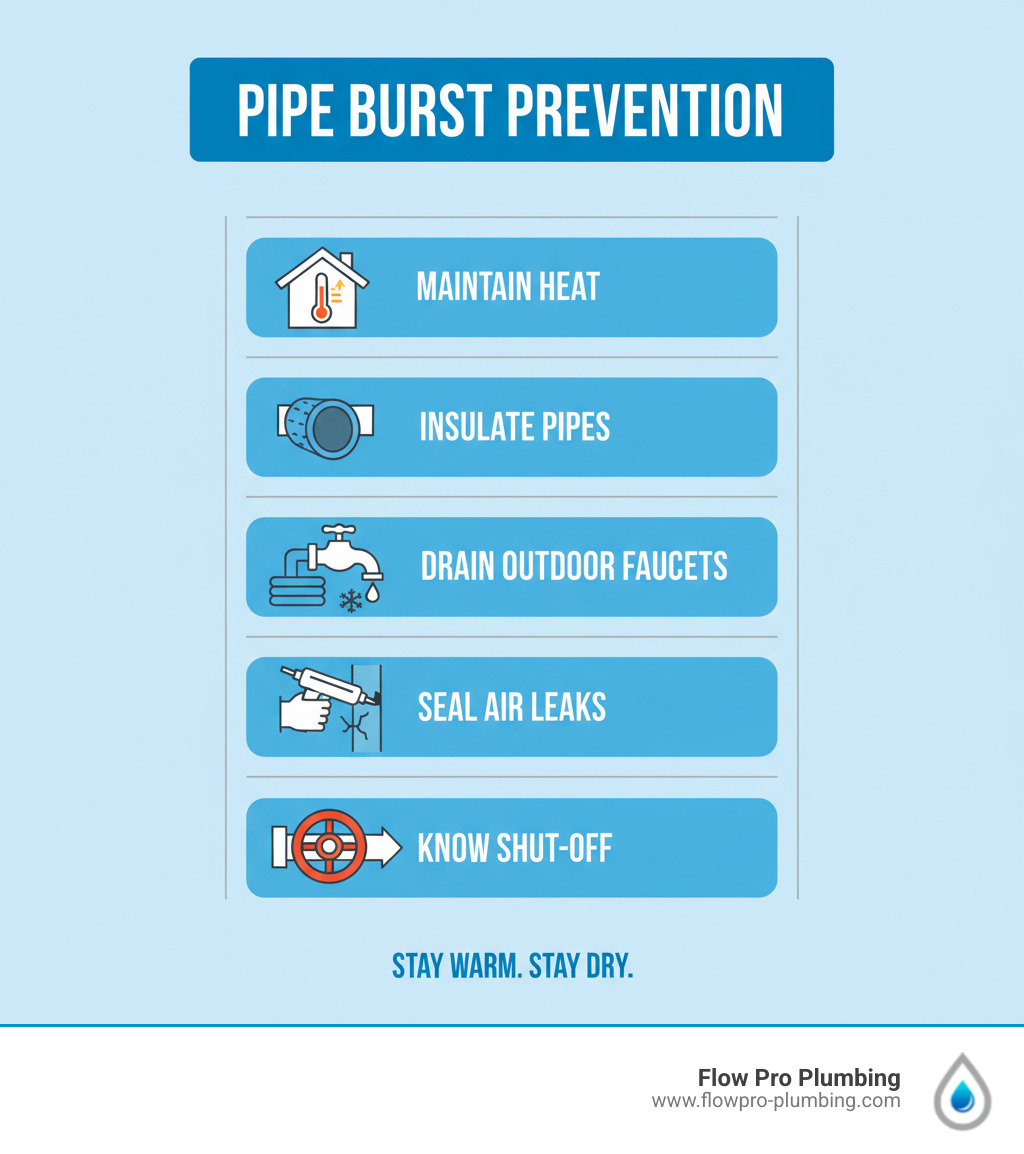
To prevent pipe bursts, especially during cold weather, take these key steps:
- Insulate exposed pipes: Use foam sleeves or wraps on pipes in unheated areas.
- Maintain indoor temperature: Keep your home at a consistent warm temperature, even when away.
- Protect outdoor plumbing: Disconnect hoses and insulate outdoor faucets.
- Seal air leaks: Close up drafts near pipes in walls, attics, and crawl spaces.
- Know your main water shut-off: Be ready to turn off the water quickly if a burst happens.
A burst pipe is every homeowner’s nightmare. It causes huge headaches and big costs. Burst pipes are a leading cause of property damage during cold weather. The mess can easily lead to $5,000 or more in water damage, says the Insurance Institute for Business and Home Safety (IBHS). Each year, homes lose over 10,000 gallons of water to leaks, which is a month’s worth for an average family.
This guide will show you how to protect your home. It covers how to stop pipes from freezing, what to do if they do, and how to fix problems. You will learn easy steps to keep your home safe and dry all winter long.
My name is Jesse Delgado, and my experience in plumbing has taught me the critical importance of pipe burst prevention. I’ve dedicated years to building a plumbing company focused on helping homeowners avoid these stressful and costly situations.
A burst pipe isn’t just an inconvenience; it’s a disaster in the making, often leading to thousands of dollars in water damage. But what exactly causes these plumbing nightmares? Understanding the primary culprits is the first step in effective pipe burst prevention.
The most common and notorious cause of pipe bursts, especially during cold weather, is freezing temperatures. When water freezes, it expands. This isn’t just a small expansion; water can expand by about 9% of its volume when it turns to ice. This expansion exerts immense pressure on the pipe walls, far more than the pipe can withstand, eventually causing it to crack or burst. While many believe the pipe bursts at the point of freezing, it often ruptures in a weaker spot further down the line where the pressure has nowhere else to go. The City of Toronto, for example, frequently reminds residents to take steps to protect pipes from freezing in colder months because of this very reason.
Beyond the icy grip of winter, other factors can put your pipes at risk:
- High Water Pressure: Your home’s plumbing system is designed to handle a certain range of water pressure, typically between 30 and 50 psi (pounds per square inch). If your water pressure consistently exceeds 60 psi, it puts undue stress on your pipes and connections, weakening them over time and making them more susceptible to bursting. This is particularly true for older homes or those without a pressure regulating valve (PRV).
- Water Hammer: This dramatic phenomenon occurs when water flow is suddenly stopped or changed direction, causing the water to slam against the pipe walls. The resulting banging or clanking noises, often called “water hammer,” can cause pipes to shake, loosen from their supports, and eventually develop leaks or bursts.
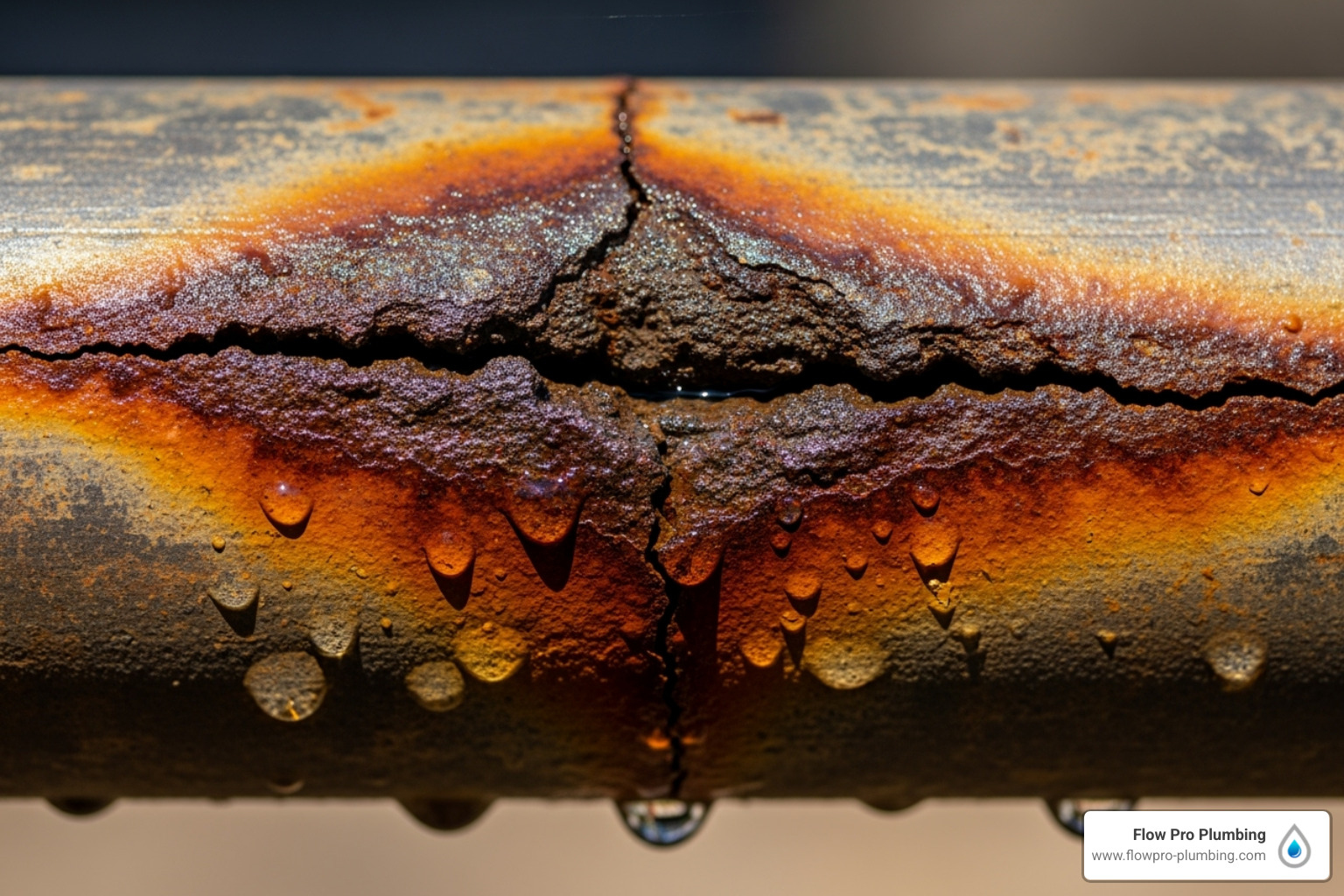
- Pipe Corrosion and Age: Like all things, pipes don’t last forever. Over time, pipes, especially those made of copper or galvanized steel, can corrode. This corrosion weakens the pipe walls, making them brittle and prone to cracking or bursting, even under normal operating conditions. Factors like hard water, pH imbalance, or certain bacteria can accelerate this process. Older plumbing systems are inherently more vulnerable. If you live in an older home, it’s wise to consider the Plumbing Problems in Old Homes that might be lurking.
- Clogs and Blockages: While less common for sudden bursts, severe clogs can lead to increased water pressure behind the blockage, stressing the pipe and potentially causing a rupture.
Understanding these underlying causes helps us appreciate why proactive measures are so vital. For more insights into common issues, you can read about Common Pipe Leak Causes and How to Avoid Them.
A Homeowner’s Guide to Pipe Burst Prevention
The best defense against a burst pipe is a good offense. Think of pipe burst prevention like maintaining your car – a little care throughout the year saves you from major breakdowns later. We’ve found that homeowners who follow both year-round protection strategies and specific winter preparations rarely face the heartbreak of a burst pipe.
Year-Round Protection & Long-Term Upgrades
Smart pipe burst prevention starts with building a fortress around your plumbing system. These aren’t just winter fixes – they’re investments in your home’s long-term health.
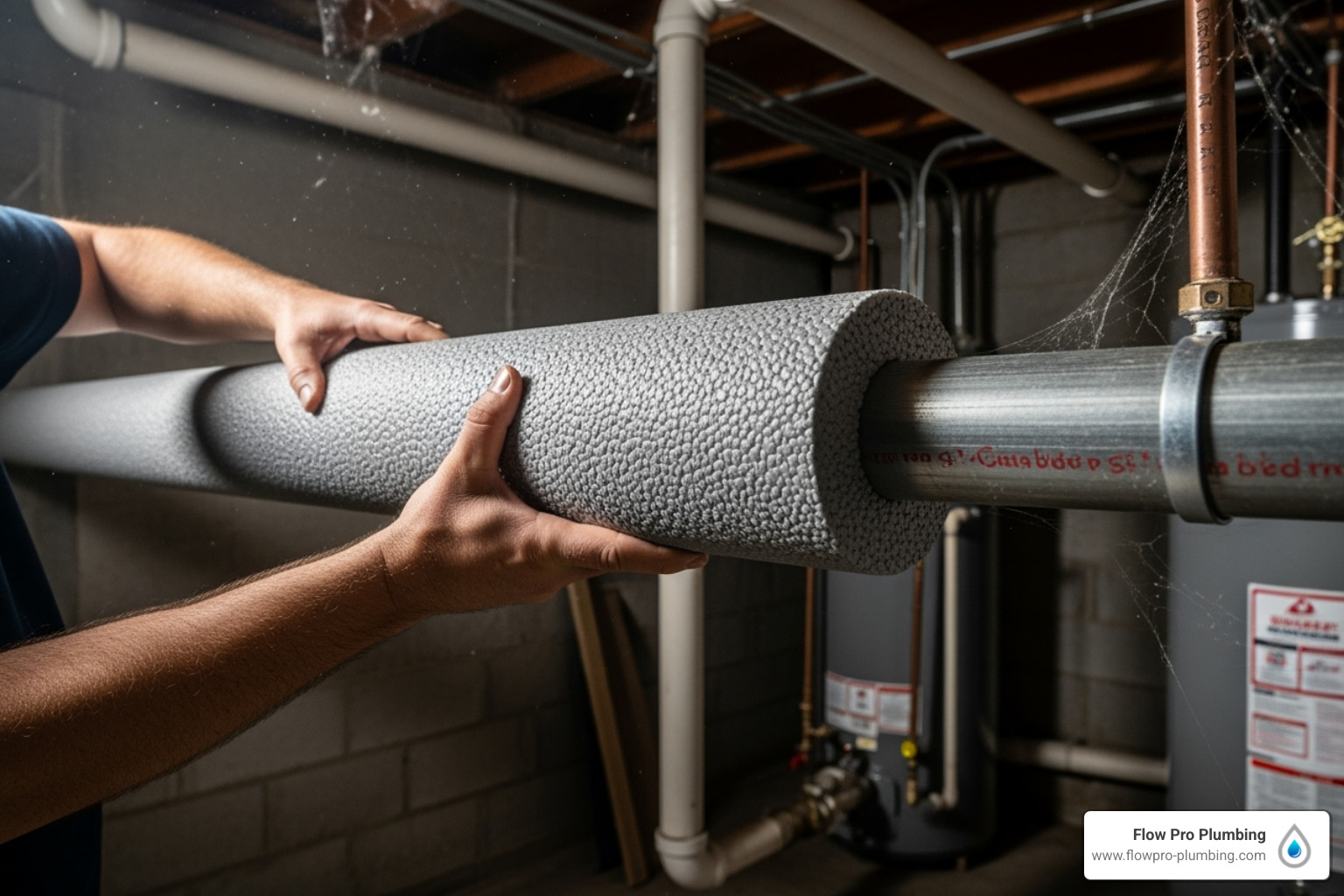
Insulation is your pipe’s warm winter coat. Any pipe running through unheated spaces like basements, attics, crawl spaces, or garages needs protection. Foam pipe sleeves are your best friend here – they’re cheap, easy to install, and incredibly effective. You can also use fiberglass insulation or heat tape for pipes in especially vulnerable spots.
Here’s a bonus: insulating your hot water pipes saves energy too. You’ll get hot water faster and see lower energy bills. It’s like getting paid to protect your pipes.
Seal those sneaky air leaks that let freezing air sneak up on your pipes. Even the best insulation won’t help if cold air can reach your pipes directly. Walk around your home and look for cracks around windows, doors, electrical wiring, and anywhere pipes enter walls. A little caulk or weatherstripping goes a long way in keeping that cold air where it belongs – outside.
Keep your water pressure in check because high pressure is a pipe’s worst enemy. If your water pressure consistently runs above 60 psi, you’re asking for trouble. A pressure regulating valve acts like a gentle hand on the water flow, keeping everything at safe levels. Your pipes, appliances, and wallet will thank you.
Sometimes old pipes need to retire gracefully. If you’re seeing rusty water, dealing with low pressure, or your home still has those old galvanized pipes, it might be time for an upgrade. Repiping isn’t just about preventing bursts – it’s about giving your whole plumbing system a fresh start. If you’re living in an older home, you might want to read about Plumbing Problems in Old Homes to see what other surprises might be lurking behind your walls.
Winter-Proofing Your Plumbing: Essential Cold Weather Tips
When winter arrives, it’s time to switch from regular maintenance mode to full protection mode. Even here in Northern California, we see our share of frozen pipe emergencies when temperatures drop unexpectedly.
Keep your home consistently warm, even when you’re tempted to save a few bucks on heating. Setting your thermostat no lower than 55°F, even when you’re away, is like buying insurance for your pipes. Trust us – the small heating cost is nothing compared to the thousands you’ll spend if a pipe bursts while you’re on vacation.
Open those cabinet doors under sinks, especially ones on exterior walls. Your kitchen and bathroom cabinets are like little cold pockets that trap your pipes away from your home’s warm air. Opening the doors lets that precious warm air circulate around the pipes.
Let your faucets drip just a little during the coldest nights. Moving water doesn’t freeze as easily as still water. A pencil-thin stream from faucets connected to vulnerable pipes can be the difference between a peaceful morning and a plumbing disaster. Focus on faucets that are farthest from your main water line.
Show your outdoor plumbing some love before winter hits hard. Disconnect and drain all garden hoses – any water left in them can freeze and damage your outdoor faucets. Find and turn off the water supply to outdoor spigots (usually there’s a shut-off valve in your basement or crawl space), then open the outdoor faucet to let any remaining water drain out. Cover outdoor spigots with insulated covers for extra protection.
If you have an irrigation system, make sure it’s properly drained or have a professional blow out the lines with compressed air. And here’s a simple one – keep your garage doors closed if you have water lines running through the garage.
For more insights specific to our area, check out our guide on 3 Common Winter Plumbing Problems in Northern California.
Frozen Pipe Emergency: What to Do When a Pipe Freezes or Bursts
Despite your best pipe burst prevention efforts, sometimes Mother Nature wins. When pipes freeze or burst, quick action can mean the difference between a minor inconvenience and a major disaster. Here’s what you need to know to handle these emergencies like a pro.
Spotting the Danger Signs of a Frozen Pipe
Your home has ways of telling you when something’s wrong – you just need to know what to listen for. The earlier you catch a frozen pipe, the better your chances of preventing a full-blown burst.
No water flow is usually the first red flag. When you turn on a faucet and get nothing but air, or just a sad little trickle, there’s likely ice blocking the way somewhere in your pipes. This is especially suspicious if it happens suddenly during cold weather.
Look for frost on exposed pipes in unheated areas like your basement, garage, or crawl space. If you can see ice crystals forming on the outside of a pipe, that’s your cue to take immediate action.
Strange smells coming from faucets or drains can signal trouble, particularly when combined with standing water. Sometimes a blockage or rupture creates unusual odors that weren’t there before.
Damp drywall or ceiling stains are serious warning signs. Water doesn’t belong behind your walls, so any wet spots, sagging areas, or discoloration means water is escaping from somewhere it shouldn’t be.
Puddles in unexpected places are pretty obvious clues – your basement floor, under sinks, or in the garage shouldn’t have mysterious water appearing overnight.
Keep an eye on unusually high water bills too. The average household loses more than 10,000 gallons of water each year through leaks. A sudden spike in your bill often points to a hidden leak or burst pipe, even when you can’t see the damage yet.
Fluctuating water pressure throughout your home can indicate a leak in your system. If your shower suddenly loses pressure or becomes inconsistent, don’t just blame the city – check your pipes.
Finally, trust your ears. Sounds behind walls like hissing, dripping, or gurgling that weren’t there before often mean a pipe is under stress or already leaking.
Your Immediate Action Plan for a Burst Pipe
When you find a burst pipe, every second counts. Don’t panic – follow these steps in order, and you’ll minimize the damage significantly.
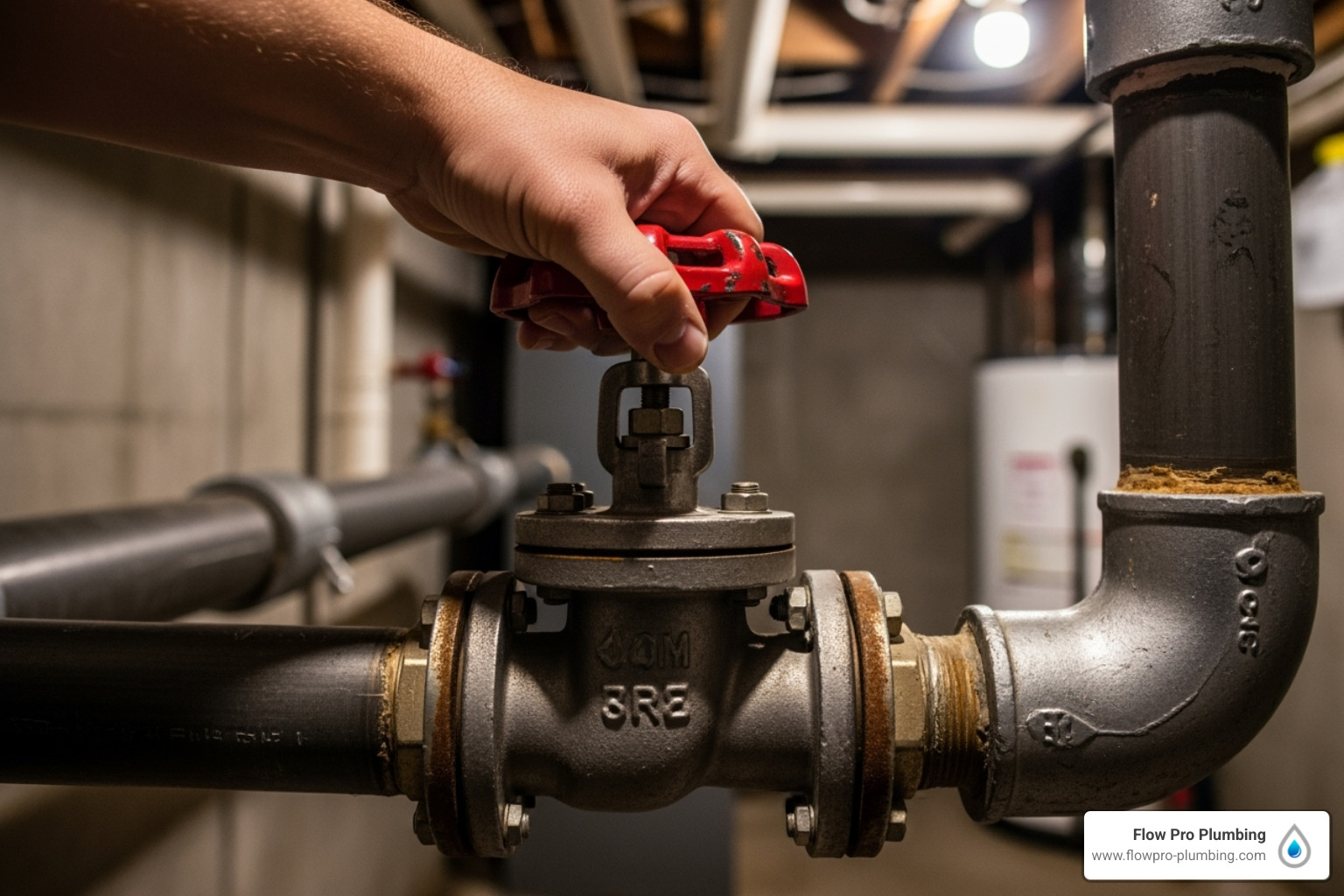
Find and turn off your main water shut-off valve immediately. This is absolutely the most critical step, and frankly, if you don’t know where this valve is right now, put down this article and go find it! It’s usually where the main water line enters your home – often in the basement, crawl space, or near your water heater. Sometimes it’s outside near your water meter. Turning this valve off stops water from flowing into your home, which stops the flooding.
Drain your faucets once the main water is off. Open every faucet in your house – both hot and cold taps. This drains remaining water from the pipes and relieves pressure that could cause additional bursts. Think of it as letting your plumbing system take a deep breath.
Check for electrical hazards before wading into any standing water. If water has reached electrical outlets, appliances, or your breaker box, turn off the main power to your home immediately. Water and electricity are a dangerous combination that can cause electrocution or fires.
Contain the leak while you wait for professional help. Grab buckets, towels, mops – whatever you have handy to catch dripping water and protect your belongings. Move valuable items away from the affected area if you can do so safely.
Call a professional plumber right away. Burst pipes are true emergencies that require immediate attention. Our experienced team at Flow Pro Plumbing is ready to help with prompt, effective repairs. For detailed guidance on handling various leak situations, check out our comprehensive guide on What to do if a pipe is leaking.
Acting quickly during a pipe emergency can save you thousands of dollars in water damage and get your home back to normal much faster.
Safely Thawing Frozen Pipes (And What to Avoid)
If you’ve spotted a frozen pipe that hasn’t burst yet, you might be able to save the day by thawing it yourself. But here’s the thing – doing it safely is absolutely critical. One wrong move, and you could turn a manageable situation into a full-blown disaster.
The Golden Rule: Start Gentle
Before you do anything else, open the affected faucet slightly. This simple step is crucial because it gives the melting ice somewhere to go. As the water starts flowing again, it relieves pressure in the pipe and actually speeds up the thawing process. Think of it as giving your pipe room to breathe.
The safest approach is using a hair dryer on its lowest heat setting. Move it slowly back and forth along the frozen section – no need to rush. This method gives you complete control over the heat application and eliminates any fire risk. It might take a bit longer than you’d like, but patience here pays off big time.
If you don’t have a hair dryer handy, an electric heating pad wrapped around the frozen pipe works beautifully. Just make sure it’s plugged into a GFCI outlet for safety. Another gentle option is using warm towels – soak them in hot water, wring them out, and wrap them around the frozen area. You’ll need to replace them as they cool, but it’s a perfectly safe method that many homeowners swear by.
What You Should Never, Ever Do
Here’s where we need to have a serious conversation. Never use open flames like blowtorches, propane heaters, or kerosene heaters to thaw pipes. I can’t stress this enough – it’s an extreme fire hazard. Pipes often run near wood framing, insulation, or even gas lines. The risk of starting a house fire is simply not worth it. The City of Toronto explicitly warns against this practice, and we’ve seen too many preventable disasters to ever recommend it.
Similarly, avoid any high-heat devices that generate intense, localized heat too quickly. This can cause the water inside to boil rapidly, potentially creating steam explosions or damaging the pipe itself. If you’re using any electrical heating device, never leave it unattended, and always keep space heaters well away from anything flammable.
When to Call in the Pros
Sometimes, pipe burst prevention means knowing when you’re in over your head. If you can’t locate exactly where the pipe is frozen, if it’s buried behind a wall, or if your gentle thawing attempts aren’t working after a reasonable time, it’s time to call us.
We have specialized equipment and years of experience safely locating and thawing frozen pipes without causing additional damage. Sometimes the frozen section is in an inaccessible area, or there might be multiple frozen spots that need professional attention.
For additional guidance on protecting your pipes, you can check out Keep pipes from freezing and bursting with these guidelines. — Protect Your Pipes and our own Pipe Burst Repair Tips.
A little caution now can save you from a much bigger headache later. When in doubt, give us a call – we’re here to help keep your home safe and dry.
The Aftermath: When to Call a Professional Plumber
A burst pipe can feel like a sudden, chaotic event. While your quick actions are vital to stop the flow, getting things back to normal almost always needs a professional touch. You’ve done your part by shutting off the water, and now it’s time for the experts to step in and handle the restoration.
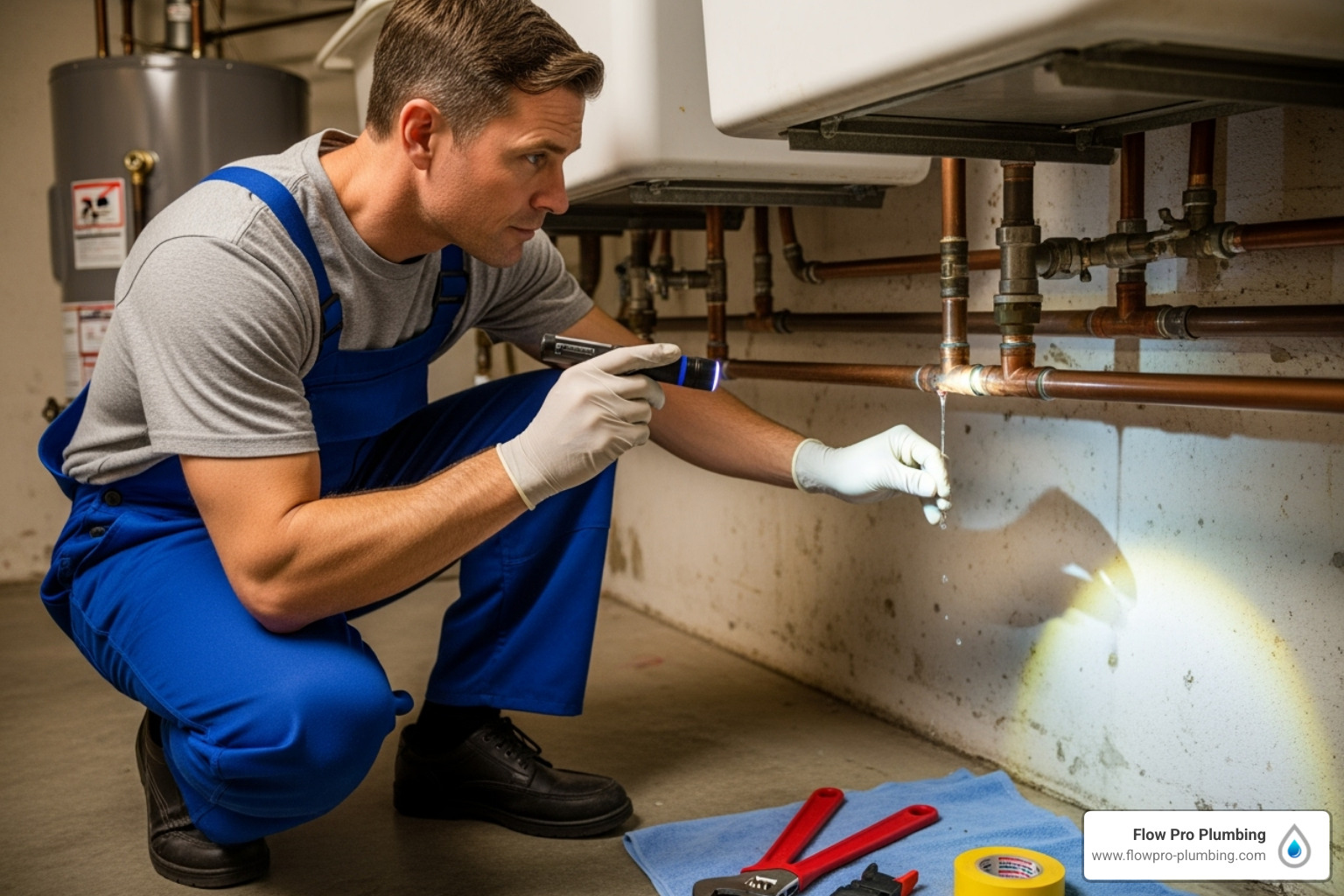
Here are the key times when our team at Flow Pro Plumbing is ready and waiting to help:
Sometimes, a frozen pipe might be hiding behind a wall or under a floor. It’s tough to reach, right? Trying to thaw it yourself in these hidden spots can be risky and not very effective. That’s where we come in. Our team has special tools, like thermal imaging cameras, that help us find the exact frozen spot without tearing up your home. If you’ve tried our safe thawing tips and water still isn’t flowing, it might mean the freeze is bigger than it seems, or the pipe is already hurt. Don’t worry, we can help.
If you actually see or hear a pipe burst – or even just suspect it has – remember to turn off your main water supply right away, then give us a call. A burst pipe isn’t a DIY project you want to tackle on your own. Quick, temporary fixes often lead to much bigger headaches and long-term water damage down the road. We’re here to make sure it’s fixed right the first time.
Beyond the immediate mess, a burst pipe can cause a lot of water damage. This can quickly add up to thousands of dollars. Water loves to sneak into walls, floors, ceilings, and even your home’s insulation. This moist environment is the perfect breeding ground for mold. And trust us, mold can start growing in just 24 to 48 hours! Besides the yucky smell, mold and other water damage can lead to health risks. Plus, too much water can weaken the very structure of your home, like wood and drywall. It’s a silent threat that needs quick and expert attention.
Dealing with a burst pipe often means talking to your insurance company. It’s really helpful to take pictures and videos of the damage right away. Our team can help you assess the damage properly and provide the paperwork your insurance provider will need. Just a heads-up: if repairs aren’t done by licensed pros, your insurance might not cover them. So, getting the right help from the start is key!
Sometimes, a burst pipe isn’t just a one-off accident. It can be a warning sign of bigger problems in your plumbing system. Maybe your pipes are getting old and corroded, or your water pressure has been too high for too long. Our licensed plumbers are like detectives for your home’s plumbing. We can dig deeper to find the real reason why the pipe burst. Then, we’ll recommend lasting solutions to help prevent it from happening again. It’s all part of our commitment to pipe burst prevention.
For those truly urgent moments, Flow Pro Plumbing offers reliable Emergency Plumber services to help you quickly. And if you’d like to learn even more about the potential impact, our detailed article on How Serious Is a Burst Pipe? is a great read.
Conclusion
The fear of coming home to a flooded house from a burst pipe doesn’t have to keep you up at night. With the right approach to pipe burst prevention, you can sleep soundly knowing your home is protected from one of winter’s most costly disasters.
Think of pipe protection as an investment in your peace of mind. Every piece of foam insulation you wrap around an exposed pipe, every degree you keep your thermostat above during cold snaps, and every garden hose you disconnect before the first freeze is money in the bank compared to dealing with thousands of dollars in water damage.
The most important lesson? Prevention is always easier and cheaper than repair. Your home’s plumbing system works hard for you every day, and a little attention goes a long way. Keep those pipes warm with proper insulation, maintain consistent indoor temperatures even when you’re away, and seal up those sneaky air leaks that let cold air reach vulnerable pipes.
Don’t forget the outdoor basics either. Protecting your outdoor faucets and knowing where your main water shut-off valve is located can save you from a plumbing nightmare. These simple steps become second nature once you make them part of your seasonal routine.
You’re not alone in this. We at Flow Pro Plumbing have seen it all, and we’re here to help homeowners in Contra Costa County stay dry and worry-free. Our experienced team knows that every home is different, and we’re always ready to provide the expertise you need.
When pipes do freeze or burst despite your best efforts, acting fast makes all the difference. Turn off that main water supply, call in the professionals, and don’t try to be a hero with dangerous thawing methods. Some jobs are simply too important to risk doing yourself.
For complex issues like hidden leaks or major repairs, trust our experts to protect your home. We’ve built our reputation on superior service and unsurpassed workmanship because we genuinely care about keeping your family safe and comfortable. Learn more about our slab leak repair services.