
A Simple Guide for Homeowners
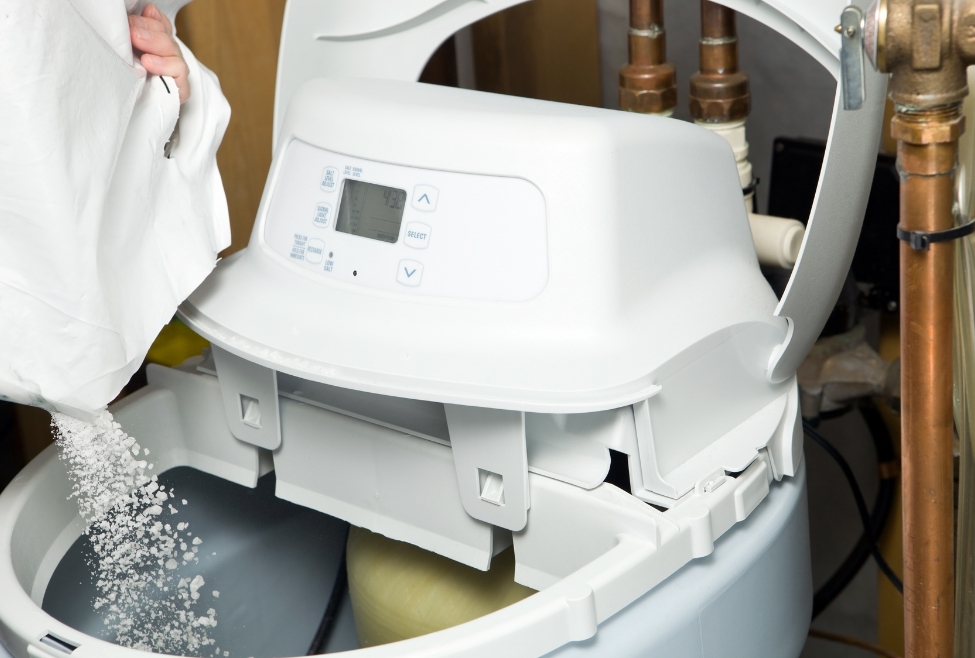
When it comes to maintaining a water softener, one of the most crucial tasks is adding salt regularly. Keeping your system properly maintained will ensure that you continue to enjoy the benefits of softened water, such as smoother skin, cleaner dishes, and longer-lasting appliances. If you’re wondering how to add salt to a water softener, we’ve got you covered.
Why Is Adding Salt Important for Your Water Softener?
Water softeners work by removing minerals like calcium and magnesium from your water. This process uses salt, which is why it’s essential to refill your water softener’s salt tank regularly. Without salt, the system won’t be able to regenerate its resin beads, leading to hard water problems like scale buildup, soap scum, and more.
If you’ve noticed your water softener is no longer performing at its best or your water has started feeling hard again, it might be time to check the salt levels in your system.
How to Add Salt to Your Water Softener
Adding salt to your water softener is a straightforward task, but it’s important to do it correctly to maintain the system’s efficiency. Here’s how you can do it:
Locate the Salt Tank
Most water softeners have a brine tank located near the main unit. This is where the salt is stored. Open the lid of the tank to check the salt level.Check the Salt Level
Ideally, your salt should be above the water line. If it’s low or completely empty, you’ll need to add more salt.Choose the Right Salt
There are different types of salt available: rock salt, evaporated salt, and solar salt. We recommend using evaporated salt for the best results, as it is pure and has fewer impurities. Choose the salt that works best for your water softener model.Add Salt to the Tank
Pour the salt into the brine tank, filling it to the recommended level. Avoid overfilling it, as the salt may get stuck and clog the system.Close the Tank and Monitor
Once the salt is added, close the lid securely. It’s a good idea to check the salt levels every few weeks and top them up as needed.
By regularly adding salt to your water softener, you ensure the system remains efficient and effective in removing hardness from your water.
How Often Should You Add Salt to Your Water Softener?
The frequency at which you need to add salt will depend on how much water you use. On average, homeowners should add salt every 4 to 6 weeks. However, you may need to add it more often if you have a larger household or higher water usage.
Common Issues with Water Softeners and How Flow Pro Plumbing Can Help
If you’ve noticed problems with your water softener even after adding salt, it might be time for a professional check-up. Common issues include:
- Clogs in the system
- Salt bridges (a hardened layer of salt that prevents water from dissolving the salt)
- Leaks or cracks in the brine tank
These issues can affect the performance of your water softener. Flow Pro Plumbing offers expert water softener repair services in Antioch, Brentwood, and surrounding areas. Our licensed plumbers can inspect your system, perform necessary repairs, and ensure your water softener is functioning optimally.
Why Choose Flow Pro Plumbing?
At Flow Pro Plumbing, we specialize in water softener installation, maintenance, and repair. We serve homes in Oakley, Pittsburg, Concord, and Walnut Creek, providing fast, reliable, and affordable services. Whether you need assistance with how to add salt to a water softener or require expert repairs, we are here to help.
Our experienced plumbers have the knowledge and tools to solve your water softener problems, and we pride ourselves on delivering excellent customer service every time. If you’re in need of professional water softener services, don’t hesitate to contact us!
Call Us Today!
If you’re unsure about how to maintain your water softener or need professional help, reach out to Flow Pro Plumbing today. Our team is ready to assist with all your plumbing services, including water softener repair and installation. Call us at (925) 450-6669 or fill out an online form!
FAQs
What should you do if your water softener runs out of salt?
If your water softener runs out of salt, it’s crucial to refill the brine tank promptly to prevent hard water problems. Without salt, the system can’t regenerate, which leads to issues like soap scum and mineral buildup. Simply add the recommended amount of salt to the tank and ensure it’s above the water level. If you continue experiencing issues, it could be a sign that the system needs repairs.
How much salt should I put in my water softener tank?
Generally, you should keep your water softener’s salt level between 1/3 and 1/2 of the brine tank’s capacity. It’s important to refill before the salt level drops below the water line to ensure effective regeneration. Be sure to follow the manufacturer’s recommendations for the best results.
How many 40lb bags of salt do I need for a water softener?
On average, a household may use one to two 40lb bags of salt per month, depending on water usage and the size of your system. Larger homes or high water hardness levels may require more frequent refills. It’s a good idea to check the salt level regularly to keep your water softener functioning properly.
Why is my water softener not adding salt?
If your water softener isn’t adding salt, it could be due to a clog in the brine line or a salt bridge. A salt bridge is a crusty layer of salt that forms in the tank, blocking proper salt dissolution. If you suspect this is the issue, it’s best to check for blockages or hire a professional to inspect the system.
How long does it take for salt to dissolve in a brine tank?
It usually takes a few hours for the salt to dissolve during the regeneration process. If your system seems slow to dissolve salt or isn’t regenerating as expected, it could indicate a clog or malfunction. Checking the brine tank and system components can help resolve the issue.